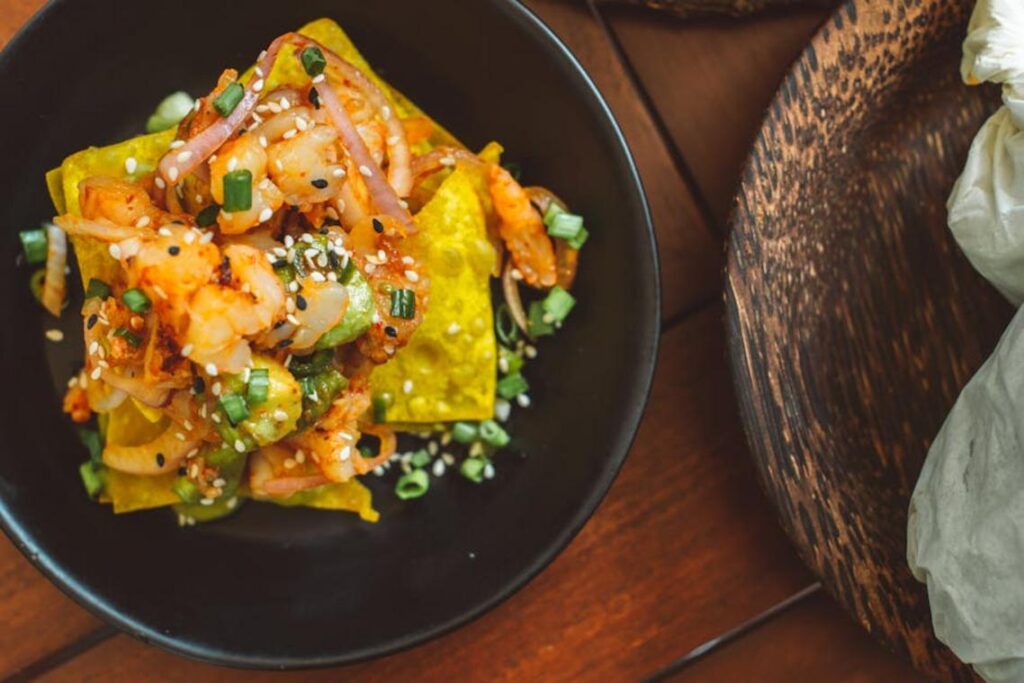
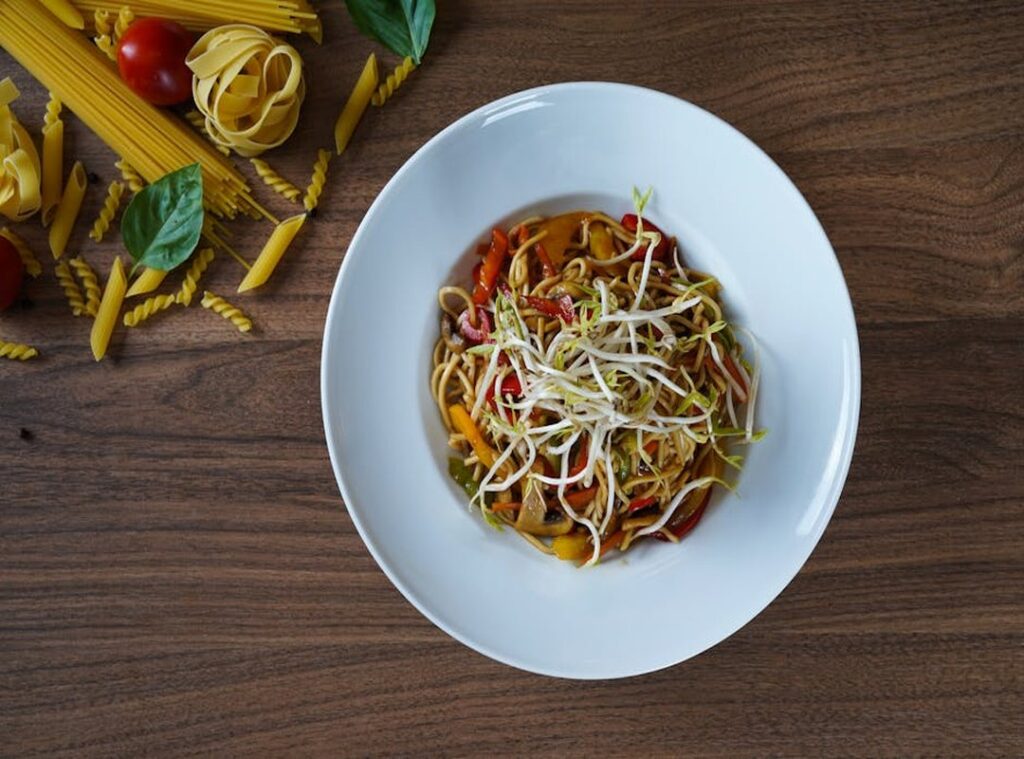
Feeling stuck in a culinary rut? You’re not alone. Imagine the aroma of olive oil mingling with fresh herbs under a Mediterranean sun, then picture the lively, spicy chaos of an Asian market.
It’s tantalizing, right? The problem is, many home cooks shy away from blending these worlds.
But why should you miss out on the magic of Asian Mediterranean fusion? I’ve spent hours in the kitchen, testing and tasting to break down this flavorful mystery. We discovered bridges.
Flavor bridges. That make this blend not just possible, but mouthwateringly good.
So, if you’re curious and ready to break free from single-cuisine monotony, you’re in the right place. This guide promises to demystify the fusion of these two rich culinary traditions, focusing on freshness, balance, and ultimately, delighting your taste buds.
Freshness Speaks: Asian and Mediterranean Harmony
You know, it’s funny how Asian Mediterranean fusion feels like two sides of the same coin. Both cultures hold a deep respect for fresh, seasonal, high-quality ingredients. Ever been to a Mediterranean market?
It’s like a sensory overload of ripeness, with everything practically begging to be eaten right away. This “market-to-table” approach is a way of life there.
Now, let’s shift east. Asian cooking often focuses on veggies and herbs at their peak. Think about how that crisp snap of a snow pea or the kick of fresh ginger can transform a dish.
It’s not just about taste; it’s a philosophy.
Balance is key in both cuisines. Mediterranean cooking loves to play with fat, acid, and herbs. Olive oil, lemon, and oregano might star in a dish that’s both rich and refreshing.
Meanwhile, in Asian dishes, you’re juggling five flavors: sweet, sour, salty, bitter, and umami. These flavors work together, creating harmony.
Take the “sour” in Asian cuisine. It’s there to brighten and cut through richness, much like the acid in Mediterranean dishes. It’s sort of like speaking different dialects of the same language.
Both are talking about lively, wholesome food that makes you feel alive.
And while we’re at it, if you’re into experimenting with flavors, have a peek at crafting unique sushi rolls global tastes. It’s all about exploring how global tastes can blend into something new. Trust me, once you dive into this flavorful world, you won’t want to come back.
The Flavor Bridge: Core Ingredients That Connect Two Worlds
Let’s talk about Asian Mediterranean fusion. Sounds like a mouthful, right? But it’s really about finding that perfect balance between two worlds.
You got your citrus and acids. Lemon and lime, they’re like siblings. Either one can brighten up any dish.
Throw in a splash of rice vinegar on a Greek salad? Magic. And don’t even get me started on deglazing a pan with red wine vinegar.
It transforms a simple stir-fry into something extraordinary.
Then there’s the world of important aromatics. Garlic and onions. Can’t cook without them.
They’re universally loved and for good reason. Fresh herbs also play a key role. Italian basil and Thai basil might look similar, but they bring such different flavors.
Cilantro and parsley? Swap them depending on what you’re cooking. Need a hint?
Use cilantro for that fresh, zesty punch, while parsley can bring depth.
But wait, there’s more. The umami connection. This is where things get interesting.
Umami is that deep, savory flavor that just hits. Mediterranean umami? Think parmesan, sun-dried tomatoes, anchovies.
Now, swap or boost these with Asian umami sources: soy sauce, miso paste, fish sauce. See what I mean? It’s all about the blend.
If you’re intrigued, check out this resource.
Pro tip: When you’re mixing, don’t hold back. Sometimes the best dishes come from bold moves. So, does this fusion thing really work?
Absolutely. It’s where the magic happens, in the blending of flavors that are both familiar and exotic. Don’t just take my word for it, dive in and taste for yourself.
Your palate deserves a wild ride across these culinary bridges.
The Technique Swap: Modern Methods for Perfect Fusion
When it comes to Asian Mediterranean fusion, it’s all about the technique. Seriously, have you tried stir-frying Mediterranean vegetables? You’d think it’s a clash, but it’s pure magic.

Using a wok (understand, a wok is not just a pan. It’s a flavor powerhouse) at high heat, you can transform broccoli, bell peppers, and zucchini into smoky, charred delights. The secret is the wok hei.
Roasting? It can’t do this. Finish those veggies with feta and a sprinkle of oregano for a zesty twist.
It’s like tasting summer in every bite.
Then there’s miso-glazed salmon. It’s not the first thing you think of when someone says Mediterranean, right? But slather that fish in a miso, honey, and ginger glaze.
Roast it like you would any good Mediterranean fish. The result is a perfect blend of salty, sweet, and savory.
Let’s talk about steaming. We all know steaming keeps flavors delicate, but throw in some white wine, garlic, and capers? That’s next-level stuff.
Steaming a whole fish with this Mediterranean twist bathes it in subtle flavor. You’re not just cooking; you’re crafting an experience.
And these are just a few examples. The possibilities are endless when you’re blending these two lively culinary worlds. The real fun is in experimenting and discovering something new.
Fusion cooking isn’t just combining ingredients. It’s about using methods to create something unexpected and exciting. So, what are you waiting for?
Try your hand at these techniques and let your palate guide you into uncharted territory. Curious for more ideas? Check out new desserts french techniques indian spices for a sweet twist on fusion.
Dive into your pantry, grab a wok or a roasting pan, and start your fusion journey.
Simple Fusion Bowl: Mix It Your Way
You know what’s frustrating? Following a rigid recipe when you want to get creative in the kitchen. That’s why I love the idea of a flexible system for a fusion bowl.
Let’s get into it.
Start with your base. Quinoa, farro, or even forbidden rice. Each brings something different to the table, don’t you think? (Forbidden rice has that exotic flair I can’t resist.) Then, choose your protein.
Maybe lemon-herb grilled chicken for that Mediterranean touch or five-spice tofu if you’re feeling more Asian.
Next, it’s all about the vegetables. Roasted cherry tomatoes mix well with edamame. Who knew?
The Asian Mediterranean fusion thing is all about surprising combos. Don’t be afraid to mix it up. It’s your bowl, after all.
Now, drizzle on a fusion sauce. Try a Tahini-Miso Vinaigrette. It’s a simple yet bold blend that ties everything together.
Seriously, it’s like magic in a bottle!
Finish with texture. Toasted sesame seeds or crumbled goat cheese can really highlight the blend. Texture can make or break your dish, right?
It’s like adding that final note in a song.
So why stick to one cuisine when you can mix and match? The joy of cooking lies in experimentation. Who says you can’t create something unique?
The kitchen is your playground.
Jump Into Your Flavor-Blending Journey
You’ve cracked it. You now have the tools to dive into creating your own Asian Mediterranean fusion dishes. Remember when you felt stuck or intimidated?
That’s history. Understanding how freshness, flavor bridges, and technique swaps work means fusion cooking is now within reach. So, what are you waiting for?
I challenge you to build your own fusion bowl this week. Discover those exciting new flavors waiting in your kitchen. It’s time to break the mold and bring something unique to your table.
Dive in now. The taste of a new culinary adventure is just a kitchen away.
 Torvessa Druvina writes the kind of tutorial treasures content that people actually send to each other. Not because it's flashy or controversial, but because it's the sort of thing where you read it and immediately think of three people who need to see it. Torvessa has a talent for identifying the questions that a lot of people have but haven't quite figured out how to articulate yet — and then answering them properly.
They covers a lot of ground: Tutorial Treasures, Recipe Optimization Hacks, Ozvelex Fusion Cuisine Experiments, and plenty of adjacent territory that doesn't always get treated with the same seriousness. The consistency across all of it is a certain kind of respect for the reader. Torvessa doesn't assume people are stupid, and they doesn't assume they know everything either. They writes for someone who is genuinely trying to figure something out — because that's usually who's actually reading. That assumption shapes everything from how they structures an explanation to how much background they includes before getting to the point.
Beyond the practical stuff, there's something in Torvessa's writing that reflects a real investment in the subject — not performed enthusiasm, but the kind of sustained interest that produces insight over time. They has been paying attention to tutorial treasures long enough that they notices things a more casual observer would miss. That depth shows up in the work in ways that are hard to fake.
Torvessa Druvina writes the kind of tutorial treasures content that people actually send to each other. Not because it's flashy or controversial, but because it's the sort of thing where you read it and immediately think of three people who need to see it. Torvessa has a talent for identifying the questions that a lot of people have but haven't quite figured out how to articulate yet — and then answering them properly.
They covers a lot of ground: Tutorial Treasures, Recipe Optimization Hacks, Ozvelex Fusion Cuisine Experiments, and plenty of adjacent territory that doesn't always get treated with the same seriousness. The consistency across all of it is a certain kind of respect for the reader. Torvessa doesn't assume people are stupid, and they doesn't assume they know everything either. They writes for someone who is genuinely trying to figure something out — because that's usually who's actually reading. That assumption shapes everything from how they structures an explanation to how much background they includes before getting to the point.
Beyond the practical stuff, there's something in Torvessa's writing that reflects a real investment in the subject — not performed enthusiasm, but the kind of sustained interest that produces insight over time. They has been paying attention to tutorial treasures long enough that they notices things a more casual observer would miss. That depth shows up in the work in ways that are hard to fake.