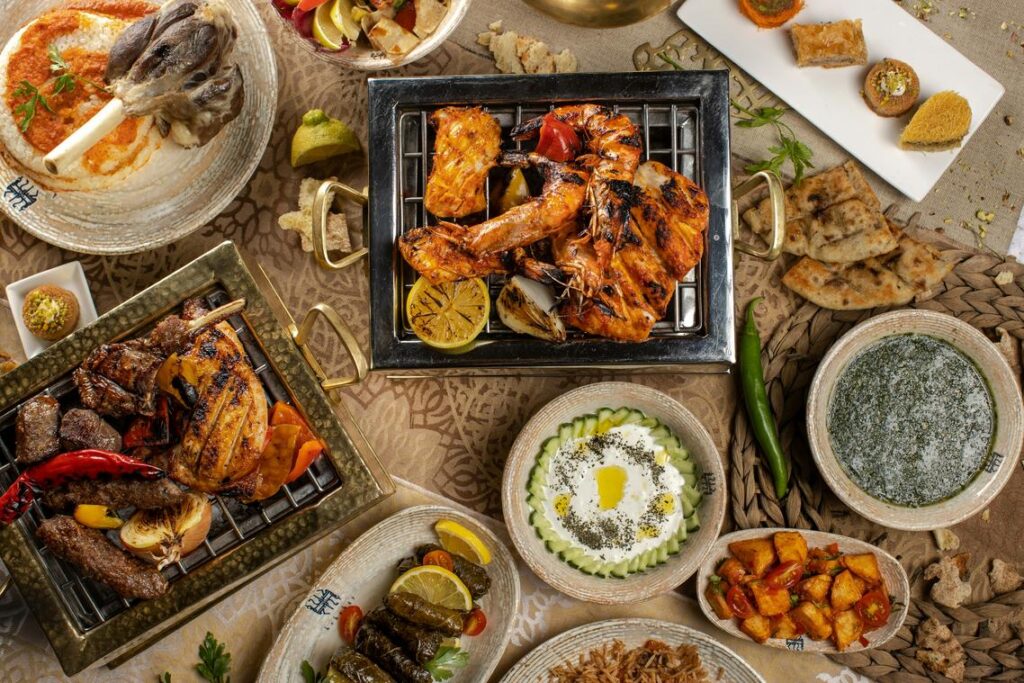
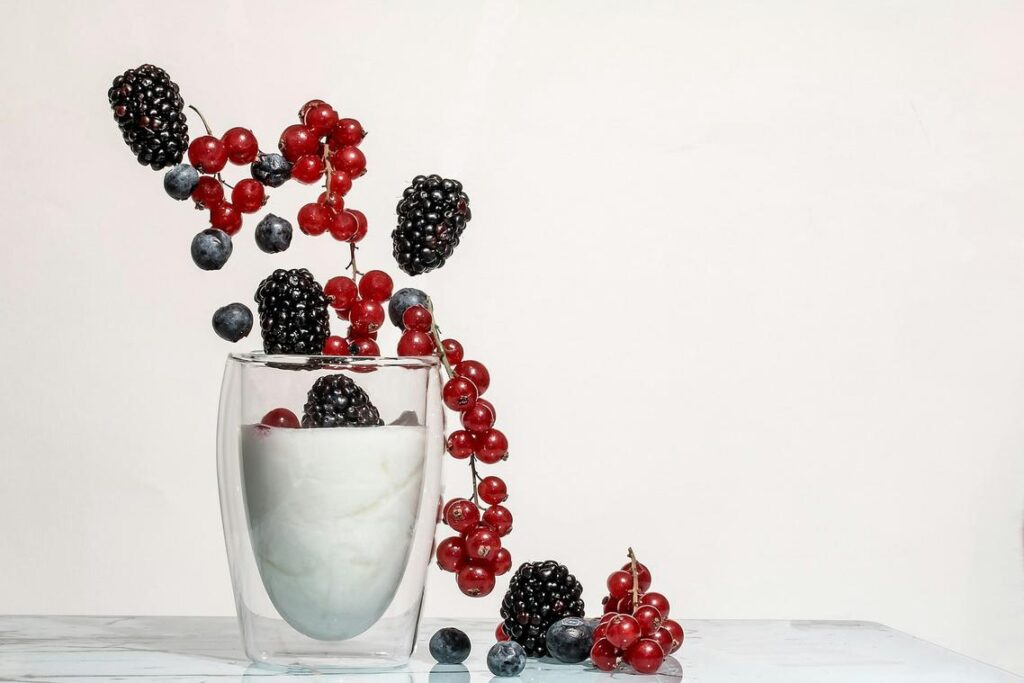
You’re here because you’re looking for something better than kale and quinoa. Something real. Something powerful. Something your body hasn’t forgotten—even if your grocery store has.
Let’s be honest: modern diets are streamlined for convenience, not for nourishment. But before the era of processed foods, there were ingredients cultivated in harmony with the land—foods selected over generations for their strength, vitality, and healing.
In this article, we’re diving deep into indigenous superfoods—the nutrient-rich staples treasured by traditional communities across the globe. These aren’t trendy powders or overnight health fads. They’re enduring symbols of wellness, designed by nature and perfected by ancient wisdom.
We’ve traced their origins, studied their nutritional make-up, and tested how they actually work in today’s kitchens. And we’re giving you practical, no-fuss ways to bring them into your meals without turning your life upside down.
Forget reinventing the wheel—reconnect with what worked for a thousand years. It’s time to meet the indigenous superfoods your body’s been waiting for.
The Americas: Ancient Grains and Seeds of Power
As we explore the vibrant world of indigenous superfoods, mastering the art of knife skills becomes essential, allowing you to prepare these nutrient-packed ingredients with finesse, as outlined in our guide, “Knife Skills 101: How to Cut Like a Pro.
It’s easy to lump amaranth and wild rice together—after all, they’re both indigenous superfoods with ancient roots. But when it comes to nutrition, history, and flavor, they bring very different things to the table.
Amaranth: The Resilient Aztec Supergrain
If quinoa has been hogging the limelight, it’s time amaranth got a standing ovation. This tiny seed punches far above its weight as a complete protein—meaning it contains all nine essential amino acids, including lysine (rare in most grains). It’s also rich in iron and magnesium, making it a potent plant-based source of vital nutrients.
Historically, amaranth wasn’t just food—it was sacred. The Aztec and Maya civilizations revered it in rituals and relied on it as a staple crop. Spanish colonizers even tried to suppress its cultivation due to its ceremonial importance (talk about culinary colonialism).
Today, amaranth still shows off its versatility. You can pop it like miniature popcorn for a crunchy topping, stir it into a warm morning porridge, or use it as a powerhouse binder in gluten-free baking.
Pro Tip: Toast it before cooking to bring out a nuttier flavor—it transforms the whole dish.
Wild Rice (Manoomin): The Sacred Grain of the Great Lakes
Enter wild rice (aka manoomin), which isn’t actually rice—it’s a semi-aquatic grass. Compared to white or brown rice, it boasts more protein, higher fiber, and antioxidant content off the charts. (Think “rice” with a superhero cape.)
For the Anishinaabe peoples, wild rice goes beyond nutrition—it has cultural and spiritual weight, linked to migration stories, identity, and ecological stewardship going back generations.
Flavor-wise, it adds earthy, nutty depth—an ideal addition to soups, autumnal pilafs, or grain bowls in need of bold texture. Amaranth is subtle and soft; wild rice is chewy, wild, and unapologetically rustic.
When choosing between them, think of amaranth as your go-to for creamy applications and baking, while wild rice stands best in dishes that celebrate texture and depth.
Either way, your pantry just got a lot more powerful.
From the Andes to Africa: The Power of Roots and Tubers
Cassava (Yuca): The Versatile Energy Source
Cassava might not win any beauty contests (it’s basically a gnarly root), but don’t underestimate its role on the global table. It’s a major carbohydrate powerhouse, rich in Vitamin C and resistant starch—the latter being a type of starch that acts more like fiber, feeding your good gut bacteria and supporting better digestion.
In regions from Northern Brazil to Nigeria, cassava is more than food—it’s food security, helping sustain over 800 million people through drought and economic hardship. It grows where many crops can’t, proving its resilience and importance.
In today’s kitchens, cassava keeps proving its versatility. Try crispy baked yuca fries as a gluten-free snack or swap in cassava flour for pancakes, tortillas, or flatbreads that even gluten-sensitive foodies can love. (Yes, your brunch can be both chic and celiac-safe.)
Pro tip: Don’t eat cassava raw—it contains compounds that need to be neutralized through proper cooking.
Oca: The Jewel-Toned Tuber of the Andes
Next, meet oca, a rainbow-hued tuber that brings Vitamin C, iron, and potassium to the party. It also sports a tangy-sweet flavor, like a cross between an apple and a potato (no joke—it’s weirdly delightful).
Oca is traditionally grown high in the Andes, often alongside potatoes, demonstrating the impressive agricultural savvy of ancient Andean farmers. As one of South America’s underrated indigenous superfoods, it’s gaining traction far beyond its mountainous origins.
Once roasted, it develops a nutty sweetness—perfect for hearty stews or a roasted medley when you’re tired of the usual root vegetables.
WHAT’S NEXT? You might wonder how to source these tubers if you’re not near a Latin market. Farmers’ markets, international grocers, and online specialty stores have increasingly picked up these nutrient-dense gems. Try one new root at a time—and let your kitchen do the exploring.
Fruits and Berries: Concentrated Nutrition from the Wild

Let’s be honest—if fruits had a high school yearbook, baobab would win “Most Likely to Secretly Be a Superhero.”
Baobab Fruit: The Ancient African Superfruit
No exaggeration here—baobab contains up to 10 times the Vitamin C of oranges, is packed with antioxidants, and delivers a solid dose of prebiotic fiber. (Take that, overpriced trendy gummies.) For centuries, communities across Africa relied on this “Tree of Life” not just for food, but as natural medicine and hydration.
Today, baobab powder isn’t just a tribal trade secret—it’s a tangy upgrade to your smoothies, yogurt, or straight up water. Imagine if citrus and sherbet had a baby.
Sea Buckthorn: The Himalayan Gold Berry
This bright orange berry hasn’t been skipping leg day. Sea buckthorn is rich in Omega-7 (yes, that’s a thing), along with Omegas 3, 6, and 9, and over 190 bioactive compounds. Tibetans and Mongolians have sworn by it for generations—basically the ancient wellness influencers we never gave credit to.
Use the juice or oil in vinaigrettes, sauces, or even desserts to add a tart, tropical punch. It’s surprising, refreshing—and guaranteed to confuse your dinner guests in the best way.
Pro tip: Try blending both these indigenous superfoods into your next flavor mashup (or check out flavor fusion the rise of cross cultural recipes).
Ethical Sourcing: A Key Ingredient for a Modern Kitchen
“People love the flavor but forget the story,” said chef Elena Ruiz, who works with farming cooperatives across South America. “Indigenous superfoods aren’t just exotic add-ins—they’re sacred, and someone’s livelihood depends on them.”
When ethical sourcing is dismissed as trendy rather than essential, the damage stacks up fast. Overharvesting, cultural erasure, and unfair labor practices slip into the supply chain.
So how do you respect the food on your plate and the people behind it?
- Buy fair-trade certified ingredients that directly benefit indigenous communities
- Learn the backstory—ask vendors where your spices and grains come from
- Question passing fads (Is this dish celebrating or exploiting a tradition?)
Pro tip: If it’s being marketed as “super,” it better be super ethical too.
A Pantry Enriched by Tradition
You came seeking the most nutrient-rich foods on the planet—and now you know: the most powerful ingredients aren’t new, they’re ancient.
Too many of us fall into a routine of eating the same limited foods, losing out on the rich diversity of nutrients that our bodies desperately need. That nutritional monotony leads to fatigue, poor digestion, and missed wellness potential.
The answer is simple—and delicious. By integrating foods rooted in deep cultural heritage like amaranth, baobab, and oca, you unlock a pantry overflowing with vitality, complexity, and flavor.
So here’s what to do next: Pick one food—amaranth, baobab, or oca. Find a sustainable source. Try one new recipe this week. That’s your first step into a world where ancestral wisdom meets modern wellness.
These aren’t trends—they’re time-tested nutritional powerhouses. You deserve more than a bland routine. Let your pantry tell a richer story.
 Andrea Malonecion writes the kind of modern cooking techniques content that people actually send to each other. Not because it's flashy or controversial, but because it's the sort of thing where you read it and immediately think of three people who need to see it. Andrea has a talent for identifying the questions that a lot of people have but haven't quite figured out how to articulate yet — and then answering them properly.
They covers a lot of ground: Modern Cooking Techniques, Tutorial Treasures, Ozvelex Fusion Cuisine Experiments, and plenty of adjacent territory that doesn't always get treated with the same seriousness. The consistency across all of it is a certain kind of respect for the reader. Andrea doesn't assume people are stupid, and they doesn't assume they know everything either. They writes for someone who is genuinely trying to figure something out — because that's usually who's actually reading. That assumption shapes everything from how they structures an explanation to how much background they includes before getting to the point.
Beyond the practical stuff, there's something in Andrea's writing that reflects a real investment in the subject — not performed enthusiasm, but the kind of sustained interest that produces insight over time. They has been paying attention to modern cooking techniques long enough that they notices things a more casual observer would miss. That depth shows up in the work in ways that are hard to fake.
Andrea Malonecion writes the kind of modern cooking techniques content that people actually send to each other. Not because it's flashy or controversial, but because it's the sort of thing where you read it and immediately think of three people who need to see it. Andrea has a talent for identifying the questions that a lot of people have but haven't quite figured out how to articulate yet — and then answering them properly.
They covers a lot of ground: Modern Cooking Techniques, Tutorial Treasures, Ozvelex Fusion Cuisine Experiments, and plenty of adjacent territory that doesn't always get treated with the same seriousness. The consistency across all of it is a certain kind of respect for the reader. Andrea doesn't assume people are stupid, and they doesn't assume they know everything either. They writes for someone who is genuinely trying to figure something out — because that's usually who's actually reading. That assumption shapes everything from how they structures an explanation to how much background they includes before getting to the point.
Beyond the practical stuff, there's something in Andrea's writing that reflects a real investment in the subject — not performed enthusiasm, but the kind of sustained interest that produces insight over time. They has been paying attention to modern cooking techniques long enough that they notices things a more casual observer would miss. That depth shows up in the work in ways that are hard to fake.