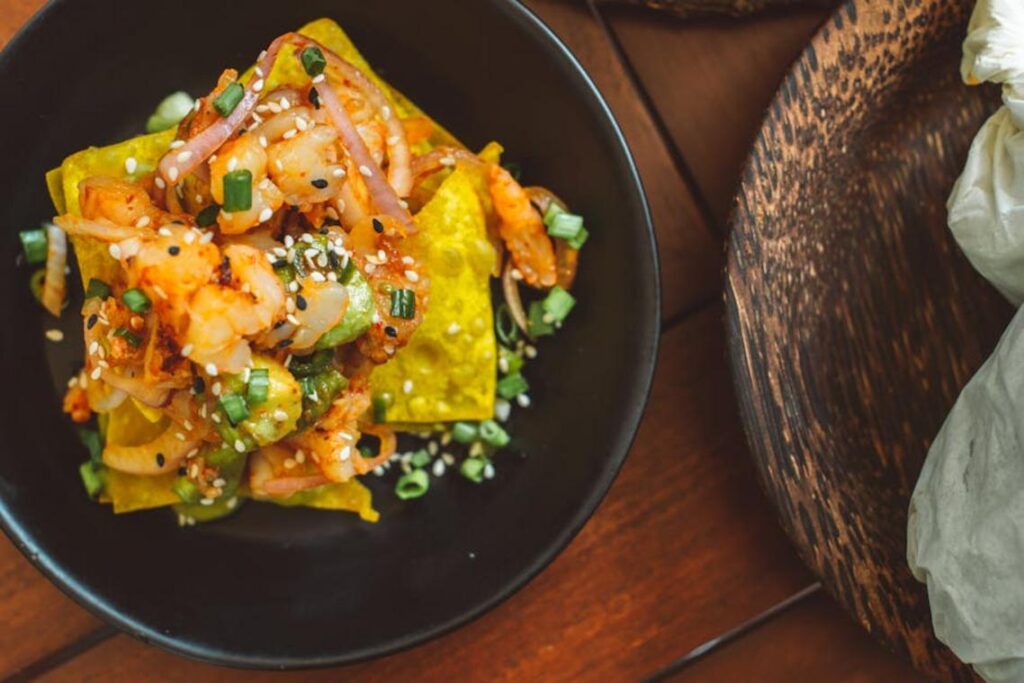

Ever wonder why some meals linger in your memory long after the last bite? It’s not just the ingredients—it’s the savory sweet combinations that spark real magic on the plate.
If you’ve been cooking solid meals but feel they’re missing that wow factor, you’re not alone. Many home cooks hit that same wall—not because they lack skill, but because they haven’t unlocked the true power of flavor contrast.
That’s where this article comes in. We’re going beyond recipes to break down the principles behind unforgettable taste. You’ll learn how savory sweet combinations work, why they captivate our senses, and how to use them consciously—no guesswork needed.
We’ve spent years studying global cuisines and testing advanced pairings in real kitchens to create a reliable, flexible method for building bold, delicious flavor. This isn’t about following trends—it’s about understanding how flavors work.
By the end, you’ll have the tools to confidently craft your own stunning meals using savory sweet combinations, tailored to taste, season, and mood.
The Science of Contrast: Why Sweet and Savory Work So Well
As we explore how sweet meets savory in innovative dishes, it’s fascinating to see how these unexpected pairings also align with the trends discussed in our analysis of the wellness food boom, where flavor and health harmoniously converge – for more details, check out our Health Meets Flavor: Analyzing the Wellness Food Boom.
I’ll admit it: I once tried to impress guests with lemon-glazed pork belly and… let’s just say it ended in silence (not the good, contemplative kind—more like why does this taste like dessert-on-a-steak silence). I learned the hard way that sweet and savory only work when they balance each other, not battle for attention.
Here’s what I got wrong: I layered sweet on fatty without grounding it with something savory—or without understanding how salt acts as the missing link. Salt doesn’t just make things salty; it amplifies sweetness while muting bitterness (science agrees—NaCl affects tastebud receptors, according to a 2010 study in Cell).
Why It Works (Once You Know How to Use It)
Combining sweet and savory notes activates more taste receptors—sweet (fructose or glucose), umami (think glutamates), even hints of bitter. It’s called flavor layering, and it’s why a dish like salted caramel hits so hard—it’s buttery (fatty), salty, and sugary, dancing right on the line between indulgent and addictive.
Too much sugar can tip a dish into cloying territory. But add a pinch of salt or an umami base? Suddenly, your savory sweet combinations make sense.
Pro tip: Always test in small batches—your palate will thank you.
Classic Pairings From Around the World
You don’t need a passport to explore how different cultures balance flavor—it’s often right there on your plate.
Take Italy’s prosciutto and melon. This pairing works because of contrast: the salt-cured pork delivers a deep umami punch, while the fresh cantaloupe or honeydew counters with its floral sweetness and bright juiciness (basically, the Amalfi Coast of your taste buds). It’s proof that complexity doesn’t require complexity—just quality.
Or travel east to Southeast Asia, where sweet chili sauce plays hero. Made from sugar, vinegar, garlic, and red chilis, it’s designed to cut the grease of fried spring rolls or grilled shrimp. That sweet-acid-heat trifecta doesn’t just taste good—it acts as a flavor reset button between bites. (Pro tip: It also makes a surprisingly good pizza drizzle.)
Over in North Africa, cooks transform humble stews into something transcendent by adding apricots to a tagine. The fruit’s deep, sticky sweetness infuses the dish as it slow-braises with lamb or chicken and warm spices like cinnamon and cumin. It’s a masterclass in layering.
And in the USA, the iconic maple bacon breakfast shows how well savory sweet combinations deliver indulgent harmony. Smoked bacon meets maple syrup’s caramel notes—syrupy, salty, and impossible to resist.
Want to take it further? Learn how to craft innovative dips from global cuisines using these powerhouse flavor cues.
Modern Takes & Fusion Experiments
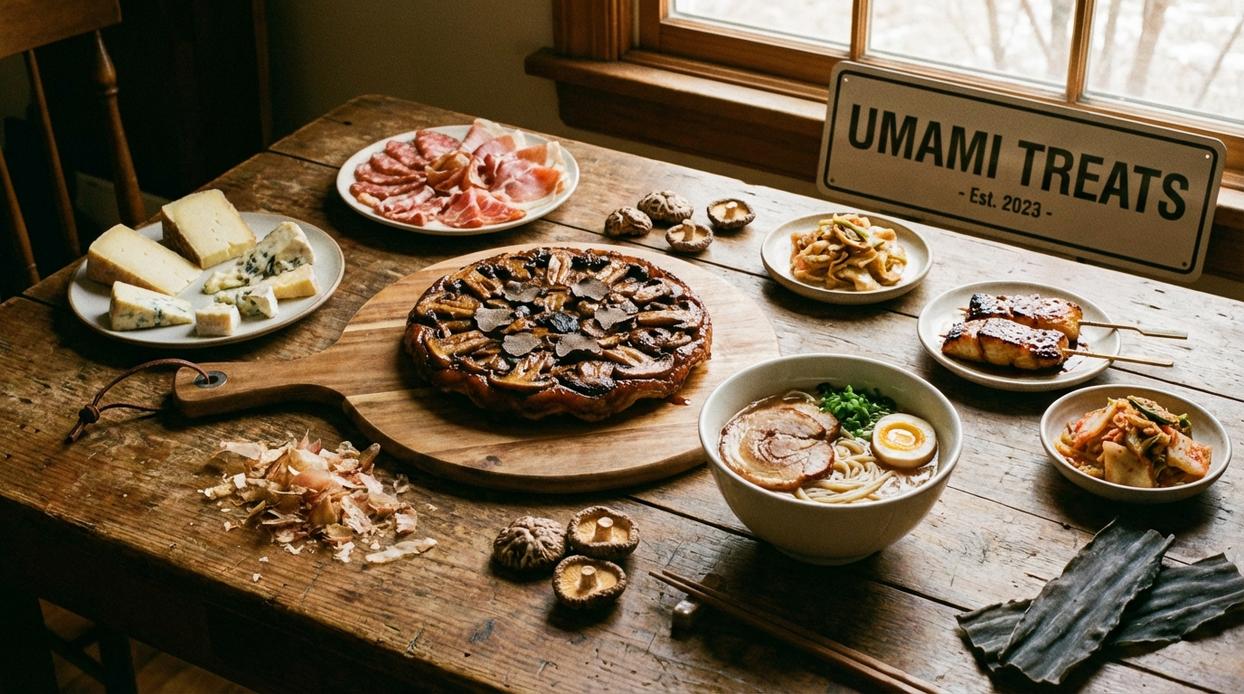
Let’s not pretend food trends are just about aesthetics (though the drizzle of something glossy does make a dish more Instagrammable). When done right, fusion experiments elevate flavor—sometimes in shockingly good ways.
Start with hot honey. At first glance, it might seem like a culinary stunt: sweet honey laced with chili and poured over pizza? But here’s the kicker—it works. The sticky heat balances oily cheese, enriches fried chicken, and even takes roasted carrots from meh to more please. If you haven’t tried it, this is your green light.
Next up: balsamic glaze. Reducing balsamic vinegar into a syrupy drizzle sounds fancy, but it’s incredibly simple. Spoon it over strawberries for a dessert twist or glaze a steak to amplify umami. (Pro tip: add it last; heat dulls its tangy complexity.)
If you’re skeptical about savory ingredients in dessert, you’re not alone. But miso caramel? Olive oil ice cream? They’re not just tricks—they add depth that plain sugar can’t. Thyme in a peach tart leans herbaceous rather than floral, keeping sweetness grounded.
And for recipe optimization? A pinch of sugar brings out the richness of a tomato sauce. A splash of soy sauce sharpens a chocolate mousse. These savory sweet combinations aren’t just trendy—they’re transformational.
Your Turn: A Framework for Creating Your Own Pairings
Let’s be honest—creative flavor pairing can feel more like alchemy than cooking.
You’ve probably seen those restaurant menus that casually list something like “pork belly with apple gastrique and fennel pollen”, and thought, how did they know those flavors would go together? (Hint: it wasn’t just a lucky guess.)
This three-step framework will help you make your own savory-sweet combinations at home—without needing a culinary degree or a test kitchen. We’re breaking it down, no jargon left unexplained.
Step 1: Choose Your Savory Base
Start with something rich, bold, or umami-driven. Think protein (like grilled chicken or pork), creamy cheeses (goat cheese, blue cheese), or depth-filled vegetables (roasted squash or caramelized Brussels sprouts). Your savory base sets the foundation for balance.
Step 2: Select a Sweet Counterpart
This is where things get fun. Sweetness contrasts and enhances savory notes, creating that “Wow, that works?” reaction. Try fresh or dried fruits (figs, peaches), naturally sweet syrups (maple, date), or spreads like fig jam or even onion marmalade (sweet + savory = magic).
Step 3: Add a Balancing Element
Here’s the wild card: acids, fats, and herbs. These technically don’t take center stage, but they’re what make the whole thing click. Acidity (like a splash of balsamic), richness (hello, crushed walnuts), or fragrant herbs (rosemary, mint) turn a duo into a well-rounded trio.
Pro tip: If your combo feels overwhelming, it probably needs acid—the unsung hero of flavor balance.
Putting It Together
Let’s break it down with a few plug-and-play examples:
| Savory Base | Sweet Counterpart | Balancing Element |
|---|---|---|
| Grilled Pork | Peach |
Balsamic Glaze |
| Goat Cheese | Fig Jam | Toasted Walnuts |
| Roasted Brussels Sprouts | Maple Syrup | Bacon |
Each pairing plays off contrasts. Creamy meets sticky. Roasty meets zingy. Sweet takes the edge off salty. And when one bite hits all those notes? That’s when your dinner sings (no fancy plating required).
Exploring how sweet flavors can beautifully complement savory dishes opens your palate to a world of unexpected delights, much like discovering the nourishing benefits of foods discussed in our article ‘What Are Nourishing Foods Ttbskitchen‘.
Elevate Every Meal
You came here to learn how sweet and savory flavors interact — not just on paper, but on the plate.
And now, you’ve got it. The science of taste, iconic pairings, and a practical framework are all in your hands. You’re equipped to move past guesswork and plate meals that truly excite.
For too long, bland dinners and forgettable dishes dulled the joy of cooking. But those days are over. You now know how to layer savory sweet combinations that surprise, satisfy, and stay with you.
Here’s your next step: Pick one of the frameworks we shared, and try just one new savory sweet combination this week.
No guesswork – just balance, contrast, and flavor that works.
Thousands of home cooks are transforming their meals with this approach. You can too.
Your palate will thank you.
 Andrea Malonecion writes the kind of modern cooking techniques content that people actually send to each other. Not because it's flashy or controversial, but because it's the sort of thing where you read it and immediately think of three people who need to see it. Andrea has a talent for identifying the questions that a lot of people have but haven't quite figured out how to articulate yet — and then answering them properly.
They covers a lot of ground: Modern Cooking Techniques, Tutorial Treasures, Ozvelex Fusion Cuisine Experiments, and plenty of adjacent territory that doesn't always get treated with the same seriousness. The consistency across all of it is a certain kind of respect for the reader. Andrea doesn't assume people are stupid, and they doesn't assume they know everything either. They writes for someone who is genuinely trying to figure something out — because that's usually who's actually reading. That assumption shapes everything from how they structures an explanation to how much background they includes before getting to the point.
Beyond the practical stuff, there's something in Andrea's writing that reflects a real investment in the subject — not performed enthusiasm, but the kind of sustained interest that produces insight over time. They has been paying attention to modern cooking techniques long enough that they notices things a more casual observer would miss. That depth shows up in the work in ways that are hard to fake.
Andrea Malonecion writes the kind of modern cooking techniques content that people actually send to each other. Not because it's flashy or controversial, but because it's the sort of thing where you read it and immediately think of three people who need to see it. Andrea has a talent for identifying the questions that a lot of people have but haven't quite figured out how to articulate yet — and then answering them properly.
They covers a lot of ground: Modern Cooking Techniques, Tutorial Treasures, Ozvelex Fusion Cuisine Experiments, and plenty of adjacent territory that doesn't always get treated with the same seriousness. The consistency across all of it is a certain kind of respect for the reader. Andrea doesn't assume people are stupid, and they doesn't assume they know everything either. They writes for someone who is genuinely trying to figure something out — because that's usually who's actually reading. That assumption shapes everything from how they structures an explanation to how much background they includes before getting to the point.
Beyond the practical stuff, there's something in Andrea's writing that reflects a real investment in the subject — not performed enthusiasm, but the kind of sustained interest that produces insight over time. They has been paying attention to modern cooking techniques long enough that they notices things a more casual observer would miss. That depth shows up in the work in ways that are hard to fake.