
If you’re feeling like every meal you make tastes vaguely the same—no matter how much salt or pepper you add—you’re not alone.
A lot of home cooks hit a wall when it comes to using spices. The world of seasonings can feel overwhelming, filled with names you can’t pronounce and jars that sit untouched in your cabinet. But beyond salt and pepper lies a world of flavor that not only transforms your dishes—but connects you to cultures across the globe.
I’ve spent years breaking down global spice profiles—not just learning what goes into them, but why they exist in the first place.
This article introduces iconic international seasoning blends, revealing the cultural context and purpose behind each one. You’ll walk away knowing how to use them confidently, and more importantly, how to stop repeating the same bland meals.
No guesswork—just clear, elevated flavor grounded in tradition and practical cooking know-how.
The Mediterranean Sun: Bright, Herbal, and Zesty Flavors
As we dive into the vibrant tapestry of flavors on the regional spice maps of the world, it’s fascinating to consider how these traditional tastes intersect with the latest culinary innovations highlighted in our article on food trends—Heartarkable – for more details, check out our Food Trends Heartarkable.
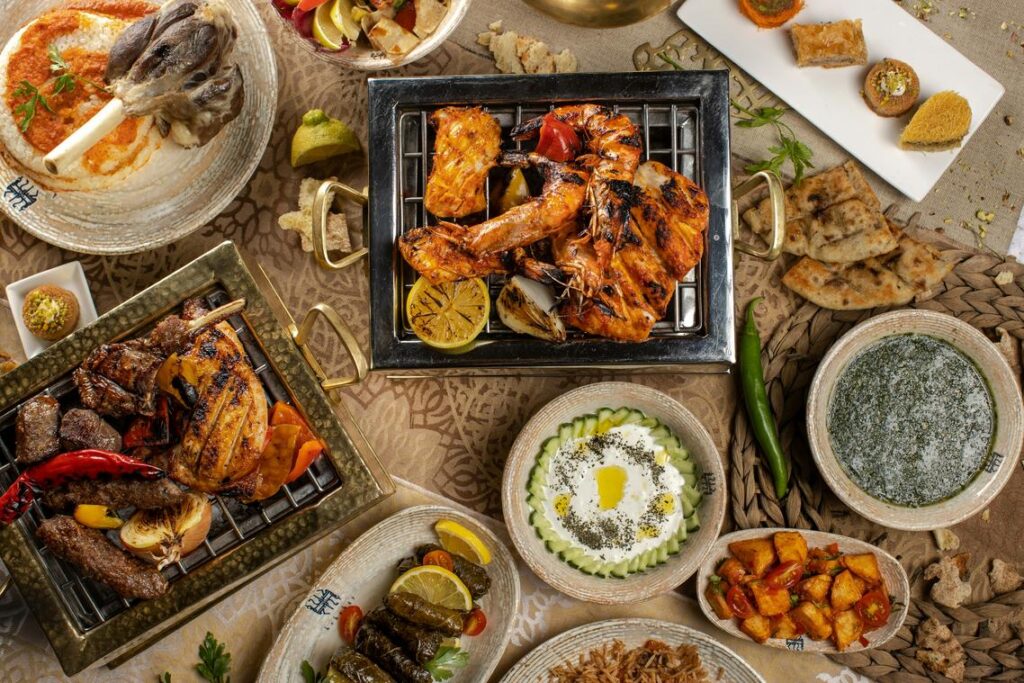
Let’s be honest—sometimes, chicken breast and steamed veggies just don’t cut it. (No one’s ever written a love letter to bland food.) That’s where Mediterranean flavor steps in with its fresh, herbal, and effortlessly vibrant touch.
If you’re looking to make your meals sing, here’s what to reach for:
-
Za’atar
This iconic Middle Eastern blend of thyme, sumac, and sesame seeds delivers tang, nuttiness, and an earthy punch. It’s not just seasoning—it’s tradition. Pro tip: Mix it with olive oil and swipe it onto warm pita for an instant upgrade that’s snackable and dignified. -
Herbes de Provence
Think of this as a walk through a lavender field in Southern France—if that walk involved rosemary, thyme, oregano, and savory. Lightly dust this blend on roasted vegetables or grilled lamb to unlock that countryside vibe. (French farmhouse optional.) -
Greek Seasoning
Loaded with oregano, garlic, and lemon zest, this blend turns simple proteins into something worthy of a seaside taverna. Try it on grilled chicken or sprinkle it over feta with a drizzle of olive oil—trust us, your taste buds will get it.
Want real transformation? Use global spice profiles to layer flavor smartly. One blend, one dish at a time.
East Asian Balance: The Art of Umami, Spice, and Aroma
Look—some people think flavor starts and ends at salt and pepper. (Bless their hearts.) But in East Asian cuisine, the real magic happens when you balance all five key tastes: sweet, sour, salty, bitter, and that elusive star of the show—umami.
Now, before anyone insists “umami” sounds like a yoga pose or a new startup, let’s clarify: umami is that savory depth you get from things like soy sauce, mushrooms, or a perfectly aged miso. It’s what turns a broth from “meh” to “more, please.”
But flavor balance isn’t just theoretical. It’s backed up with powerful seasonings that each bring their own personality to the party.
Key Seasonings Explored (Your spice rack’s about to get interesting)
-
Chinese Five-Spice: Think of this as your flavor DJ—mixing star anise, cloves, cinnamon, Sichuan peppercorns, and fennel. It creates a warming, aromatic blend with just a hint of numbing sass from the peppercorns. (Ever sip tea with a tingly tongue? That’s the Sichuan whisper.)
-
Shichimi Togarashi (Japan): This seven-spice mix sounds intimidating, but it’s basically the Swiss Army knife of Japanese tables. It packs chili, toasted sesame, orange peel, nori, and more. Nutty, citrusy, spicy—it’s like a flavor festival in a single pinch.
-
Gochugaru (Korea): Whether finely ground for gochujang or coarse for kimchi, these chili flakes bring a fruity, smoky glow—never overpowering, always flirting. (It’s the chili that texts “good morning.”)
Practical Application (Because knowing is only half the battle)
-
Marinades: Add Shichimi togarashi to soy sauce and mirin for a meat marinade that slaps harder than a K-pop chorus.
-
Broths: Layer gochugaru into chicken stock to add a warm pulse of heat without blowing out your taste buds.
-
Finishing Touches: Sprinkle Chinese five-spice on rice bowls or roasted veggies. It’s like giving your food a velvet robe and a crown.
Pro Tip: When combining seasonings, let one lead and one support—otherwise, your dish may turn into a flavor cage match.
And hey, for even more seasonings that tell a story, check out how street food reflects local culture around the globe.
Bottom line? The secret to East Asian cooking isn’t in any one ingredient—it’s in balance. Or, as your foodie friend probably put it after one week in Tokyo: it’s all about the global spice profiles.
Latin American Soul: Earthy, Smoky, and Vibrant Heat

If you’ve ever walked through a market in Oaxaca or browsed a corner tienda in San Juan, you know Latin American cuisine isn’t about subtlety. It leans bold, layered, and unapologetically expressive. The foundation? Deep, earthy, and smoky heat—often achieved through a deliberate dance of dried chiles, toasted spices, and heritage herbs.
Let’s start with Adobo seasoning. This isn’t the jarred liquid you might find in a Filipino pantry (different continent, different flavor story). In Latin cuisine—particularly Puerto Rican and Dominican kitchens—Adobo is a dry blend focused on garlic powder, onion powder, oregano, and paprika. It’s less “one-trick-pony” and more “Swiss Army knife” of flavor. You’ll find it rubbed onto pork shoulder for pernil or stirred into beans like they do in Bayamón.
Then there’s Sazón—the golden secret. The star player? Achiote (also called annatto). Used across Central America and the Caribbean, it offers a warm, peppery earthiness and turns everything sunset-orange. When paired with cumin and coriander, it’s the taste of arroz con gandules or pollo guisado.
Now for a wildcard: Tajín. Equal parts chili, lime, and salt, this Jalisco-born blend isn’t just a trendy topping (though yes, it’s on half the TikToks featuring mango slices). It adds tangy spark to elotes, watermelon, and even the rim of your michelada glass.
Here’s the takeaway: ditch the generic shelf “taco seasoning.” Instead, layer these blends thoughtfully across dishes. In mole negro, it’s the toasted spices talking. In tacos al pastor, it’s the annatto and guajillo keeping things real. Global spice profiles are your passport—but knowing the local roots? That’s how you cook with soul.
Pro tip: Toasting dried chiles before blending brings out deep chocolatey and smoky notes—don’t skip this step if you’re chasing authenticity.
The Modern Kitchen: Creating Your Own Fusion Blends
Remember when Ratatouille’s Remy combined strawberry and cheese and blew minds? That’s the spirit here.
Forget rigid recipes—today’s kitchens thrive on creativity. Start with the Flavor Profile Method: think in roles, not rules. You need a base (like paprika), an aromatic (cumin), a herbal note (oregano), and a zing (say, sumac or ground ginger). You’re not just seasoning; you’re composing flavor music.
Let’s say your stew is tasting flat (sad trombone). That’s your cue—it needs brightness? Add sumac. Depth? Hello, smoked paprika. Pro tip: Taste, diagnose, tweak. Like a flavor ER doctor.
Want a test drive? A Mediterranean-Mesoamerican rub hits with oregano, cumin, and a touch of ancho chili powder—perfect on grilled chicken or pork (smoke optional but encouraged).
Yes, you’ll mess up sometimes. But so did every Top Chef contestant ever (go rewatch season 7). Just remember: spice blending thrives on curiosity, not perfection.
Your Culinary Passport to Global Taste
Food should never feel boring—and neither should your spice cabinet.
For too long, home cooks have felt stuck cycling through the same tired flavors, unsure how to branch out without misstepping. It can be overwhelming to explore new cuisines when you don’t know why certain spices work so well together.
This guide cracked open the secrets behind global spice profiles—from the sun-kissed herbs of the Mediterranean to the bold umami of East Asia and the vibrant heat of Latin America. Now that you understand the flavor logic behind these blends, you’re no longer copying recipes; you’re cooking confidently and creatively.
You came here looking for a way to break free from bland. You’ve found it.
Here’s what to do next: Pick one seasoning blend from this guide and use it in a recipe you already love. Don’t overthink it—just taste the transformation.
You don’t need a passport to explore the world through food. You just need the right spices—and now, you know how to use them.
 Andrea Malonecion writes the kind of modern cooking techniques content that people actually send to each other. Not because it's flashy or controversial, but because it's the sort of thing where you read it and immediately think of three people who need to see it. Andrea has a talent for identifying the questions that a lot of people have but haven't quite figured out how to articulate yet — and then answering them properly.
They covers a lot of ground: Modern Cooking Techniques, Tutorial Treasures, Ozvelex Fusion Cuisine Experiments, and plenty of adjacent territory that doesn't always get treated with the same seriousness. The consistency across all of it is a certain kind of respect for the reader. Andrea doesn't assume people are stupid, and they doesn't assume they know everything either. They writes for someone who is genuinely trying to figure something out — because that's usually who's actually reading. That assumption shapes everything from how they structures an explanation to how much background they includes before getting to the point.
Beyond the practical stuff, there's something in Andrea's writing that reflects a real investment in the subject — not performed enthusiasm, but the kind of sustained interest that produces insight over time. They has been paying attention to modern cooking techniques long enough that they notices things a more casual observer would miss. That depth shows up in the work in ways that are hard to fake.
Andrea Malonecion writes the kind of modern cooking techniques content that people actually send to each other. Not because it's flashy or controversial, but because it's the sort of thing where you read it and immediately think of three people who need to see it. Andrea has a talent for identifying the questions that a lot of people have but haven't quite figured out how to articulate yet — and then answering them properly.
They covers a lot of ground: Modern Cooking Techniques, Tutorial Treasures, Ozvelex Fusion Cuisine Experiments, and plenty of adjacent territory that doesn't always get treated with the same seriousness. The consistency across all of it is a certain kind of respect for the reader. Andrea doesn't assume people are stupid, and they doesn't assume they know everything either. They writes for someone who is genuinely trying to figure something out — because that's usually who's actually reading. That assumption shapes everything from how they structures an explanation to how much background they includes before getting to the point.
Beyond the practical stuff, there's something in Andrea's writing that reflects a real investment in the subject — not performed enthusiasm, but the kind of sustained interest that produces insight over time. They has been paying attention to modern cooking techniques long enough that they notices things a more casual observer would miss. That depth shows up in the work in ways that are hard to fake.