If you’re someone who loves the idea of experimenting in the kitchen but feels overwhelmed by where to start, you’re not alone.
Maybe you’ve picked up ingredients from another culture and then let them sit in your pantry—unsure how to use them without a recipe that feels like a culinary textbook. Sound familiar?
This article is here to change that. I’ve spent years testing flavor pairings and techniques from all over the world, breaking them down into simple, reliable approaches home cooks can actually use.
We’ll walk through how to build confidence blending cross-cultural flavors, starting with a few core principles you can apply to any ingredient. No advanced skills required.
You’ll learn how to fuse global influences in a way that’s practical, not intimidating—and you’ll end up with exciting, original flavors on your plate.
The Foundation: Deconstructing Global Flavor Profiles
We’ve all tasted something and thought, “This is so spicy!” or “Too sweet for me.”—but narrowing an entire dish to one word misses the deep structure of regional flavors. Let’s move beyond surface-level descriptors and unpack the signature frameworks that define global cuisines. Knowing these will make you a smarter cook—and a better flavor architect.
East & Southeast Asian Profiles
Think balance. Umami anchors most dishes—thanks to soy sauce, miso, and fish sauce (the MVP of hidden depth). Add sour with rice vinegar or tamarind, offset with sweetness from palm sugar, and finish with heat—ginger, fresh chiles, or even Sichuan peppercorns (which tingle and numb—surprise!).
Pro tip: A splash of soy and a few drops of sesame oil can round out even a simple stir-fry.
South Asian & Middle Eastern Profiles
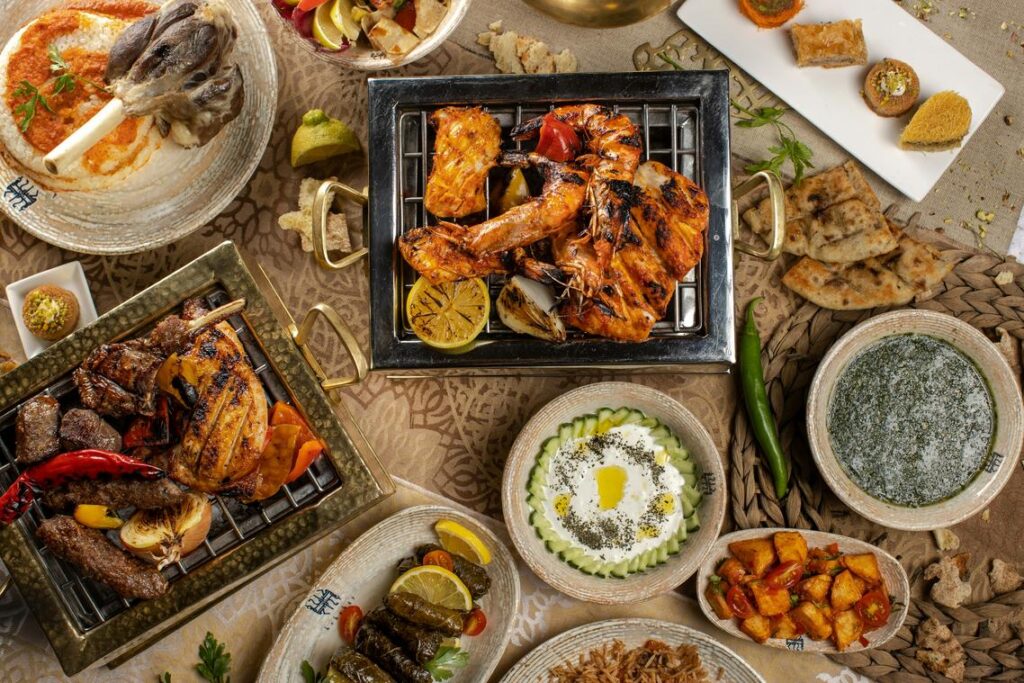
These are symphonies of spice. From garam masala to za’atar, you’re working with complex blends. Add earthy spices like turmeric or cumin, often tempered in hot oil to awaken their aroma. Balance warmth with cooling agents like mint, yogurt, or cucumber.
Try this: Pair spiced lamb with mint chutney for vivid contrast.
Latin American Profiles
Flavor here is about brightness and depth. Citrus—particularly lime—cuts through richness, while fresh herbs like cilantro bring lift. Chiles come in layers: smoky ancho, fruity guajillo, and fiery habanero. Using all three? That’s a flavor arc.
Quick fix: Add lime, cilantro, and a touch of chile oil to grilled corn. Instant upgrade.
European Profiles
The Mediterranean leans into herbaceous flavors (hello, oregano and thyme), olive oil, and acid from tomatoes or vinegar. Northern Europe favors decadence—cream, butter, and savory depth via cured meats. Think French bistros or Eastern European stews rich with paprika, bay leaves, and root vegetables.
(Potatoes really do rule the north.)
One of the best modern kitchen skills? Learning to layer with cross-cultural flavors—like adding lemongrass to a classic French broth or tossing za’atar on roasted carrots.
Understanding these profiles isn’t just about regions—it’s about building intuition. So next time you taste something delicious, ask yourself: what roles are sweet, sour, salty, bitter, and umami playing on your plate?
Technique Swapping: Applying Global Methods to Familiar Ingredients
Start with an anecdote about your first failed stir-fry.
Mine was a soggy, sad pile of vegetables and rubbery chicken that didn’t taste like takeout—or anything, really. Then someone handed me a tip that changed everything: velvet your meat before cooking it. Game changer.
Velveting—an everyday Chinese technique where meat is marinated in a cornstarch-and-egg-white slurry—sounds fussy, but it turns dry chicken into something you’d gladly serve in fajitas or even slap cold on a salad. (Pro tip: briefly boil or oil-blanch before stir-frying for restaurant-level texture.) Techniques like these don’t just improve results—they unlock new ideas.
I once added tadka (or tarka)—that glorious Indian method of blooming spices in hot ghee—over a bowl of leftover sweet potato soup. Not only did it jolt the dish awake, but it also had friends asking for the recipe. And yes, it works wildly well on mac and cheese too. Just imagine cumin-scented butter cascading over cheddar. You’re welcome.
And then there’s ceviche. Marinating raw seafood in acidic lime juice, Peruvian-style? That’s leche de tigre. I’ve “cooked” scallops that way and tossed them through an Italian-style seafood salad. Unexpected? Sure. But the cross-cultural flavors are unforgettable.
Sometimes the best innovation is rethinking how you cook before you change what you cook. If you’re curious how global cuisines fuse and diverge, explore beyond borders understanding global palate preferences.
Building a ‘Bridge’ Pantry: 5 Ingredients to Connect Cuisines

Most pantry guides stick to the usual suspects—olive oil, soy sauce, vinegar. All great, but none truly connect cuisines the way some lesser-known staples can.
A bridge pantry doesn’t just simplify cooking; it enhances your kitchen’s cultural fluidity. These five ingredients go beyond typical fusion—they invite true cross-cultural flavors into your everyday meals.
1. Miso Paste
Yes, it’s Japanese. But swirl it into Italian tomato sauce and suddenly you’ve got a depth you can’t quite name (in the best way). It’s also stunning in marinades and creamy dressings. Pro tip: mix with tahini for a shockingly good sandwich spread.
2. Gochujang
This spicy-sweet Korean paste deserves more than kimchi duty. Stir it into chili, swipe it on burger buns, or blend it with mayo for next-level dipping sauce. (Think Sriracha with a PhD.)
3. Pomegranate Molasses
Tart and sweet, this Middle Eastern staple is criminally underused. Try it where you’d normally splash balsamic—on salads, grilled meats, or roasted carrots. Trust us, your taste buds will catch the flight before your passport does.
4. Toasted Sesame Oil
A finishing oil, not for frying. A drizzle over noodles or even popcorn instantly signals “something special” is happening. Just go easy—too much and it dominates faster than a drum solo at dinner.
5. Smoked Paprika
Unlike cayenne, this isn’t about heat—it’s about mood. A teaspoon turns any plain stew or potatoes into a smoky, soulful dish. Underrated move: mix it into softened butter and spread on warm bread.
Competitor lists rarely highlight how these ingredients work together to create seamless global fusion. Here, it’s not just about flavor—it’s about flavor flexibility.
Your First Fusion Dish: A Simple Framework for Creation
Feeling intimidated by fusion cooking? You’re not alone. (We’ve all seen someone try to put wasabi on pancakes. Let’s not do that.)
Here’s a simple way to keep your experiments fun and edible: the Plus One method.
Step 1: Pick Your Canvas.
Start with a dish you already trust—tacos, pasta, roasted chicken. Something that won’t betray you midway through dinner prep.
Step 2: Introduce One “Bridge” Ingredient.
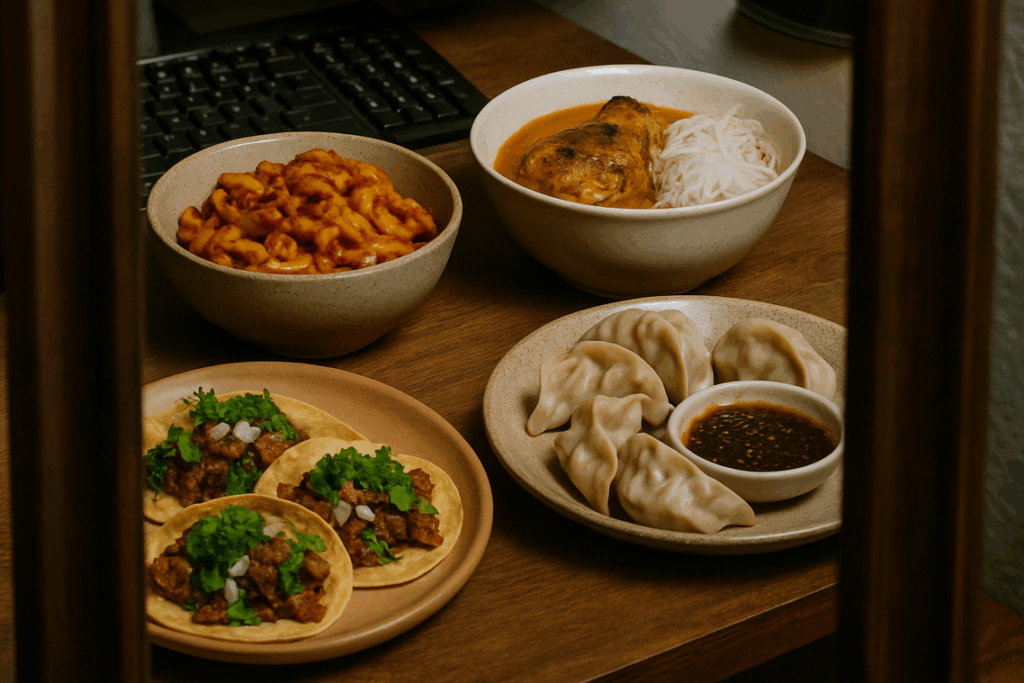
Think of it like a flavor handshake. Stir gochujang into taco meat, melt miso into pasta sauce, or marinate chicken in yogurt and garam masala. (Pro tip: marinating overnight = effortless flavor flex.)
Step 3: Balance and Garnish.
Taste. Adjust. Repeat. Need acid? Add citrus. Lacking zing? A sprinkle of flaky salt works wonders. Garnish with sesame seeds, cilantro, or a dollop of mint yogurt.
Fusion doesn’t have to be Frankenstein. With cross-cultural flavors, you’re just giving old favorites a new passport.
As food enthusiasts continue to explore the vibrant world of flavor fusion, they’re not just reinventing classic dishes but also finding innovative ways to elevate their drinking experiences, making now the perfect time to try your hand at something like the Jalbitedrinks liquor recipe for an exciting twist on traditional cocktails – for more details, check out our Jalbitedrinks Liquor Recipe.
Make the World Your Kitchen
Think international cooking is too complex? You’re not alone.
Many home cooks hesitate to explore unfamiliar cuisines—not because they’re unwilling, but because they’re unsure where to start.
This guide breaks down that wall. You’ve now got a simple, flexible framework for blending international techniques into your daily meals with ease. From understanding core flavors to using smart ingredient swaps, the mystery of cross-cultural flavors becomes an inspiring opportunity, not an obstacle.
You came here wanting to cook more inventively without getting overwhelmed. Mission accomplished.
Now it’s time to take that first bite into something new: Pick one technique or ingredient from this guide and apply it to a dish you already know. Your first step toward creating a signature fusion style starts now.
No more guesswork. Just bold flavor—and confidence.
 Torvessa Druvina writes the kind of tutorial treasures content that people actually send to each other. Not because it's flashy or controversial, but because it's the sort of thing where you read it and immediately think of three people who need to see it. Torvessa has a talent for identifying the questions that a lot of people have but haven't quite figured out how to articulate yet — and then answering them properly.
They covers a lot of ground: Tutorial Treasures, Recipe Optimization Hacks, Ozvelex Fusion Cuisine Experiments, and plenty of adjacent territory that doesn't always get treated with the same seriousness. The consistency across all of it is a certain kind of respect for the reader. Torvessa doesn't assume people are stupid, and they doesn't assume they know everything either. They writes for someone who is genuinely trying to figure something out — because that's usually who's actually reading. That assumption shapes everything from how they structures an explanation to how much background they includes before getting to the point.
Beyond the practical stuff, there's something in Torvessa's writing that reflects a real investment in the subject — not performed enthusiasm, but the kind of sustained interest that produces insight over time. They has been paying attention to tutorial treasures long enough that they notices things a more casual observer would miss. That depth shows up in the work in ways that are hard to fake.
Torvessa Druvina writes the kind of tutorial treasures content that people actually send to each other. Not because it's flashy or controversial, but because it's the sort of thing where you read it and immediately think of three people who need to see it. Torvessa has a talent for identifying the questions that a lot of people have but haven't quite figured out how to articulate yet — and then answering them properly.
They covers a lot of ground: Tutorial Treasures, Recipe Optimization Hacks, Ozvelex Fusion Cuisine Experiments, and plenty of adjacent territory that doesn't always get treated with the same seriousness. The consistency across all of it is a certain kind of respect for the reader. Torvessa doesn't assume people are stupid, and they doesn't assume they know everything either. They writes for someone who is genuinely trying to figure something out — because that's usually who's actually reading. That assumption shapes everything from how they structures an explanation to how much background they includes before getting to the point.
Beyond the practical stuff, there's something in Torvessa's writing that reflects a real investment in the subject — not performed enthusiasm, but the kind of sustained interest that produces insight over time. They has been paying attention to tutorial treasures long enough that they notices things a more casual observer would miss. That depth shows up in the work in ways that are hard to fake.