If you’re here, it’s probably because you crave more than just a good meal—you want to taste the heartbeat of a city.
The truth is, most guides skim the surface. They list the vendor with the longest line or the flashiest Instagram following. But that’s not what gives a city flavor. Real culinary identity lives on sidewalks and in alleyways, in dishes passed down through generations or reimagined on a grill cart at midnight.
This article dives into street food culture not just to tell you where to eat, but to help you understand why it matters—what makes one city’s bites unforgettable and another’s forgettable.
We’ve studied what defines a truly vibrant street food scene. From traditional staples made with pride to daring fusions that bend the rules, we’ll show you how to spot authenticity beyond the obvious spots.
Because if you want to taste the soul of a city, this is where you start.
The Pillars of Tradition: Honoring the Classics
Let’s settle a debate: innovation versus tradition—which one defines truly unforgettable food?
In today’s culinary landscape, flashy fusion gets headlines (foie gras tacos, anyone?), but the best street food culture isn’t built on novelty—it’s built on memory. Generation after generation, families pass down recipes seasoned by time, not trend. Compare that to experimental dishes where flavor hinges on a foam or a ferment. Creative? Sure. Timeless? Debatable.
Take the world of single-dish mastery. In Bangkok, you’ll find noodle vendors who’ve been perfecting their bowl for over 40 years—tweaking broth clarity, hand-pulling noodles daily, layering umami like art. Contrast that with someone trying to master 15 items off a TikTok-trending menu. Specialization wins every time (pro tip: if there’s only one dish on the cart, order it).
Consider a Mexico City taqueria cooking with little more than pork, corn, and fire. The results? Transcendent. These iconic dishes aren’t just delicious—they’re edible history.
So why does tradition still hold the crown? Because when it’s done right, tradition isn’t static—it’s a living story, told one perfectly crisped lechón at a time. And stories, unlike trends, never go out of style.
The Spark of Innovation: Modern Techniques Meet the Street
Have you ever taken a bite of street food and wondered—what if this had a modern twist?
A new generation of chefs is asking that exact question. They’re not here to overwrite traditions; they’re here to remix them. Picture your favorite late-night taco spot, only now the meat has been sous-vide for 24 hours to reach melt-in-your-mouth perfection. Same soul, elevated execution.
Take foams and gels, for instance. Once reserved for fine dining, they’re now creeping into the world of churros, transforming the classic chocolate dip into a silky, unexpected mousse. It’s still dessert—just with a little extra drama (and honestly, who doesn’t love a surprise on their plate?).
Recipe Optimization in Action
Ever heard of deconstruction? It’s where chefs take a familiar dish, break it into its core elements, and reimagine the whole thing. Think: a taco salad layered in a jar, complete with crunchy tortilla shards, pico foam, and seasoned beef pearls. It’s quirky, yes—but somehow nostalgic and new all at once.
Some skeptics argue that applying modern techniques to classic street eats feels pretentious or unnecessary. Why mess with what works? But here’s the real question: if we can preserve flavor and enhance texture while delighting a whole new demographic, isn’t that worth exploring?
Street food culture thrives because it adapts. This time, it’s just wearing a chef’s jacket and holding a siphon.
A Global Melting Pot: The Power of Fusion Cuisine
Let’s face it—fusion cuisine gets a bad rap sometimes.
You’ve probably seen it before. Some well-meaning attempt at “Mexican sushi” or “Thai carbonara” that ends up being a sad, over-sauced disaster. And it’s frustrating, because when done right, fusion food is magic. When done wrong? It feels like culinary identity theft (who asked for wasabi-stuffed cannoli? No one. Ever.).
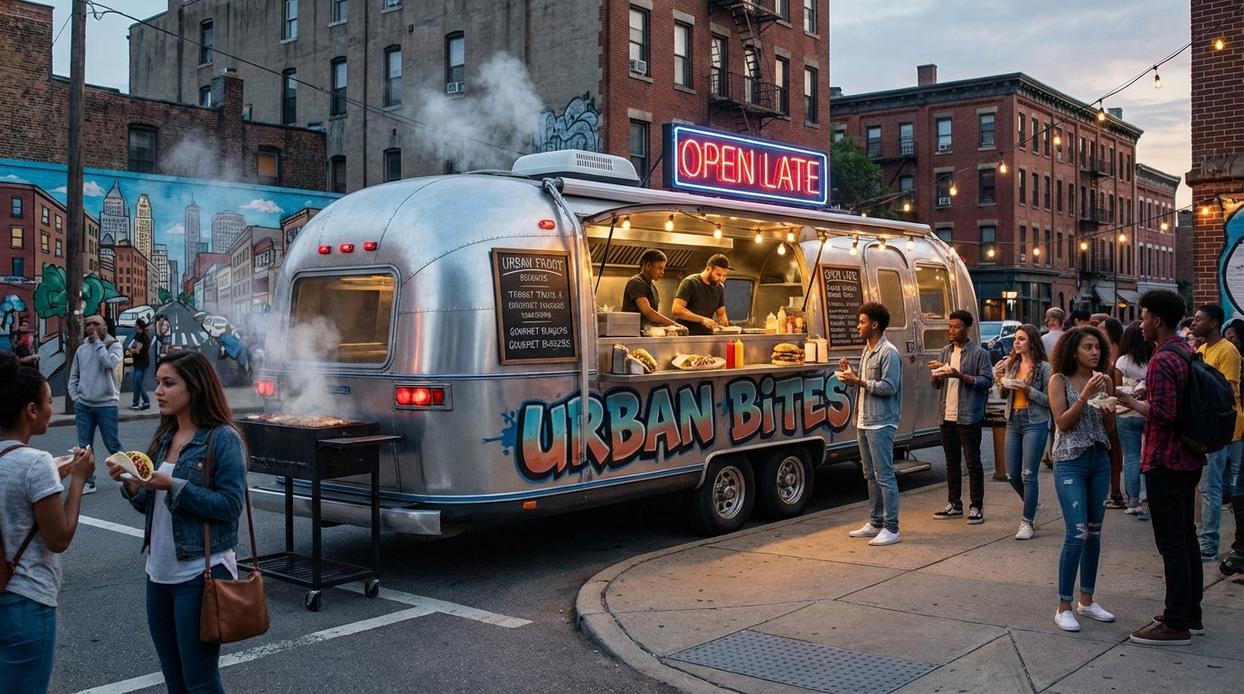
But the truth is, urban centers are natural incubators for great food mashups. Why? Because cities bring people together—lots of them, from everywhere. And when immigrant communities share kitchen space, ingredients, and stories, something new emerges. Think of cities like Los Angeles, London, and Singapore as flavor laboratories, where everyday cravings evolve into street food culture.
Take iconic dishes like Korean BBQ tacos. The tangy heat of kimchi meets the rich umami of short ribs, all tucked into a soft tortilla. It shouldn’t work but OH, IT DOES. Or look at Indian-spiced poutine—crispy fries soaked in masala gravy, balancing creamy and spicy in every bite (and yes, Canadians are allowed to be mad). Or the Japanese-style hot dogs in NYC, topped with seaweed flakes and teriyaki glaze—hello, umami overload.
Here’s what critics miss: fusion isn’t just a jumble. It’s a “third culture” cuisine, born from communities building something new together. Not just mixing recipes, but creating identity on a plate.
Pro tip: Want to spot the next big fusion hit? Pay attention to neighborhood groceries. When you see gochujang next to gouda, something’s brewing.
Fusion’s not a trend. It’s a reflection.
Want to understand the power of traditional ingredients behind global trends? Read more about uncovering the hidden superfoods of indigenous cuisines.
Your Culinary Compass: How to Find the Best Street Eats
Not all street food stalls are created equal. When you’re scanning a busy street filled with tempting aromas and sizzling griddles, it pays to know how to separate the hype from the hidden gems.
Line vs. No Line
A long line of locals? That’s no accident. Crowds signal reputation, consistency, and often the best bite on the block. No line at peak hours could be a red flag—unless it’s a hidden gem between rushes (use your judgment, not just your stomach).
Specialization vs. Variety Overload
One-dish shops focus on doing a single item exceptionally well (think Bangkok’s famous crab omelet stall). Multi-menu sellers might offer variety, but often sacrifice quality across the board.
Pro tip: If a stall’s menu looks like a diner placemat, walk away. Less really is more here.
Senses vs. Signage
Skip the flashy signs. Trust what you see and smell. Fresh greens, meat sizzling to order, a clean setup—these signs matter more than any Instagrammable logo.
And don’t forget: street food culture rewards the observant and adventurous.
As we explore how street food serves as a vibrant expression of local culture around the globe, it’s also important to consider healthier alternatives, which you can discover in our “Fhthrecipe Healthy Snack Guide From Fromhungertohope.
Your Passport to Flavor
When people think of travel, they often picture landmarks—but the soul of a city? You’ll find that sizzling in roadside pans and wrapped in paper napkins.
What we’ve uncovered is this: the heartbeat of any destination isn’t behind white-tablecloth walls, but humming right there on its corners. Street food culture isn’t just about quick bites—it’s the collision of deep-rooted flavors and daring culinary twists, telling stories more vividly than any tour guide.
You came here to understand how to connect with a place through its food. Now you know: seek the vendors, markets, and mobile kitchens where authenticity lives and legacy lingers.
Here’s what to do next: On your next adventure, skip the tourist traps. Follow the smoky trails and local crowds. Take these insights and trust your senses—explore with confidence and eat like a local. That’s how you turn a trip into a memory that lingers on your taste buds.
 Andrea Malonecion writes the kind of modern cooking techniques content that people actually send to each other. Not because it's flashy or controversial, but because it's the sort of thing where you read it and immediately think of three people who need to see it. Andrea has a talent for identifying the questions that a lot of people have but haven't quite figured out how to articulate yet — and then answering them properly.
They covers a lot of ground: Modern Cooking Techniques, Tutorial Treasures, Ozvelex Fusion Cuisine Experiments, and plenty of adjacent territory that doesn't always get treated with the same seriousness. The consistency across all of it is a certain kind of respect for the reader. Andrea doesn't assume people are stupid, and they doesn't assume they know everything either. They writes for someone who is genuinely trying to figure something out — because that's usually who's actually reading. That assumption shapes everything from how they structures an explanation to how much background they includes before getting to the point.
Beyond the practical stuff, there's something in Andrea's writing that reflects a real investment in the subject — not performed enthusiasm, but the kind of sustained interest that produces insight over time. They has been paying attention to modern cooking techniques long enough that they notices things a more casual observer would miss. That depth shows up in the work in ways that are hard to fake.
Andrea Malonecion writes the kind of modern cooking techniques content that people actually send to each other. Not because it's flashy or controversial, but because it's the sort of thing where you read it and immediately think of three people who need to see it. Andrea has a talent for identifying the questions that a lot of people have but haven't quite figured out how to articulate yet — and then answering them properly.
They covers a lot of ground: Modern Cooking Techniques, Tutorial Treasures, Ozvelex Fusion Cuisine Experiments, and plenty of adjacent territory that doesn't always get treated with the same seriousness. The consistency across all of it is a certain kind of respect for the reader. Andrea doesn't assume people are stupid, and they doesn't assume they know everything either. They writes for someone who is genuinely trying to figure something out — because that's usually who's actually reading. That assumption shapes everything from how they structures an explanation to how much background they includes before getting to the point.
Beyond the practical stuff, there's something in Andrea's writing that reflects a real investment in the subject — not performed enthusiasm, but the kind of sustained interest that produces insight over time. They has been paying attention to modern cooking techniques long enough that they notices things a more casual observer would miss. That depth shows up in the work in ways that are hard to fake.