
INNOVATION INSIGHTS VAULT
Introducing the Innovation Insights Vault
Bringing a new flavor to how culinary explorers brainstorm, the Innovation Insights Vault acts as Ozvelex’s in-house creative companion—a one-of-a-kind culinary ideation utility that helps chefs, food bloggers, and kitchen pioneers organize fragmented thoughts into structured directions. If you’ve ever been stuck between inspiration and execution, this tool might become your late-night confidant or early-hour motivator.
Created with the restless chef in mind, the Vault distills inspiration into practical steps—whether you’re trying to chart fusion possibilities, debug a failed roux technique, or test an unconventional pairing obsessions. Ozvelex remains committed to creative transparency, and this tool nudges your process forward one refinement at a time.
Learn more about Ozvelex’s full ecosystem of creative resources and how it supports risk-taking minds across kitchens worldwide.
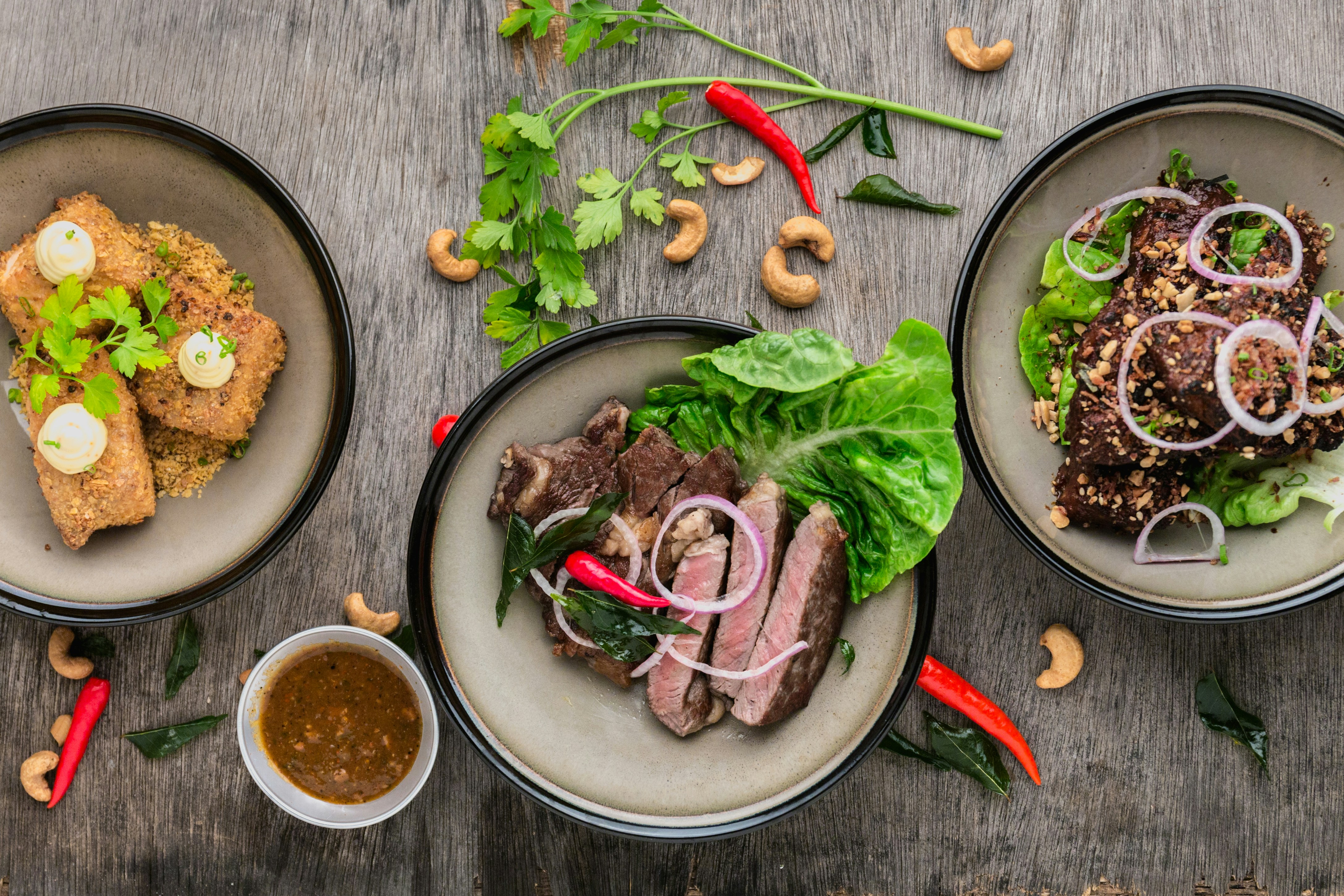
Avocado
Avocado Insight
Rich in monounsaturated fats, avocado improves nutrient absorption and creates natural creaminess without heavy dairy.
Salmon
Salmon Insight
High in omega-3 fatty acids, salmon supports cardiovascular health while delivering deep umami richness.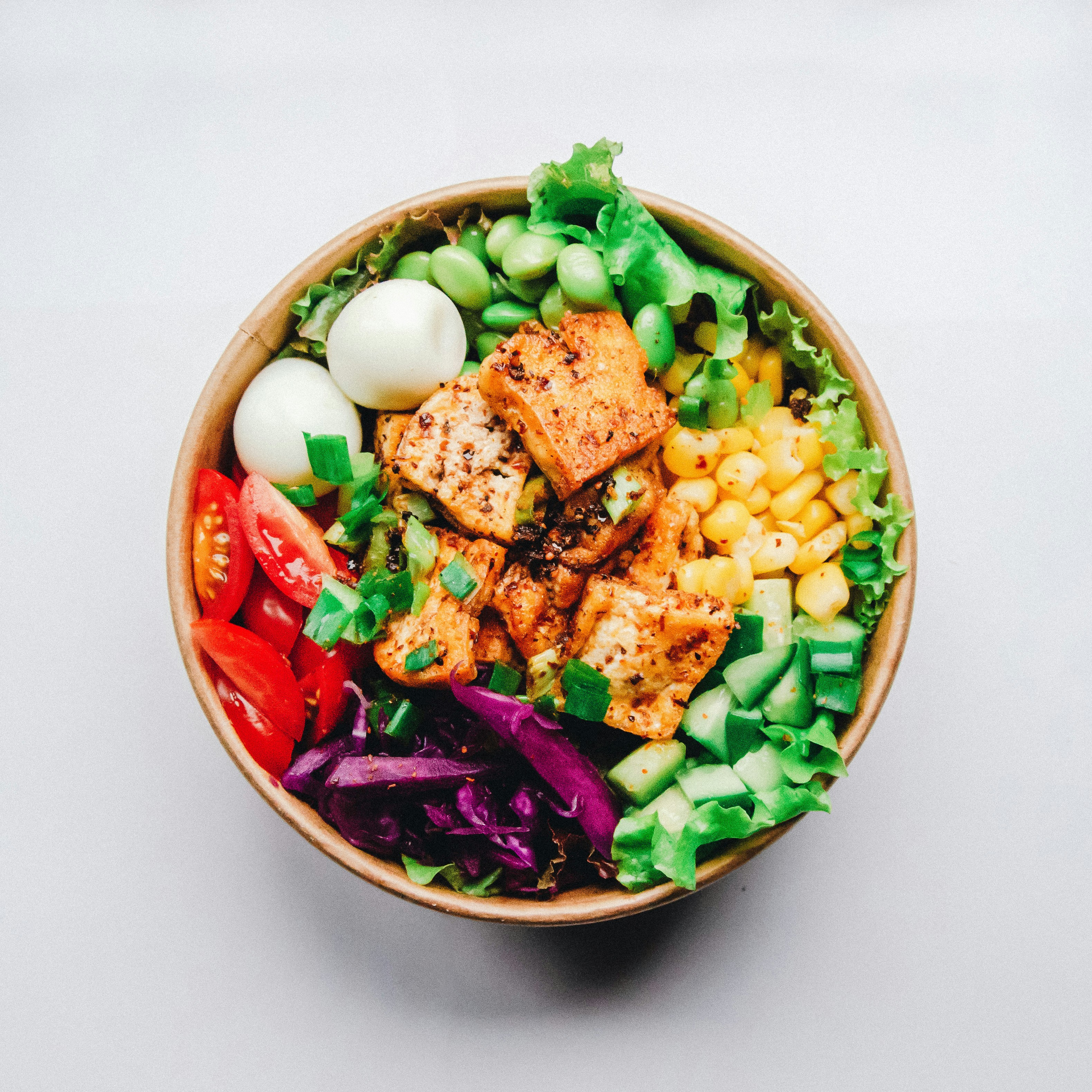
Quinoa
Quinoa Insight
A complete plant protein containing all nine essential amino acids with light, balanced texture.
Blueberries
Blueberry Insight
Packed with antioxidants, blueberries add acidity and sweetness to both savory and dessert compositions.What You Can Do With This Tool
- Outline recipe innovation paths: Turn snippets of ideas (“matcha + goat cheese?”) into segmentable recipe branches.
- Map ingredient interplays: Explore how sweet, sour, umami, and textural layers could morph when blended unconventionally.
- Debug failed experiments: Enter unsuccessful fusion attempts and get breakdowns on why something didn’t taste—or feel—right.
- Document and sort flavor hypotheses: Preserve wild late-night thoughts and aggressive pairings before they evaporate.
- Identify technique limitations: Get suggestions when replicating a process that might not scale for a home cook or global variant.
- Export brainstorms: Generate formatted notes you can revisit, pitch, or build into editorial-ready pieces.
How It Works (Step-by-Step)
- Input your idea kernel: This could be a phrase (“kimchi risotto”), photo, or fragmented recipe.
- Select focus area(s): Choose what part you want the Vault to analyze—flavor profile, technique feasibility, dish heritage components, or plating evolution.
- Optionally upload media: Supported formats include JPG/PNG images of plated prototypes or handwritten notes (max 5MB).
- The Vault applies assumption tagging: Using culinary heuristic modeling, it maps known compatibilities, source citations, and warns of unstable fusions.
- You receive a Pathway Report: A multi-tabbed exportable document outlining flavor compatibility scores, risk flags, and technique bifurcation logic.
- Refine your results: Adjust focus areas or re-upload cleaner prompts for more targeted iterations.
Inputs and Outputs at a Glance
| Input | Type | Examples | Required? |
|---|---|---|---|
| Idea Prompt | Text | "Dukkah macaron", "Smoke in sorbet" | Yes |
| Focus Area | Dropdown Selection | Fusion, Breakdown, Texture Balance | Yes |
| Reference Media | Image Upload | JPEG, PNG | No |
| Output | Type | Description |
|---|---|---|
| Flavor Compatibility Scores | Numeric | Estimates based on shared aromatic families |
| Technique Conflict Notes | Text Recommendations | Cautions based on heating thresholds or emulsions |
| Pathway Report | Download (.txt or .md) | Structured ideation pathways and notes |
Estimated Time to Complete: 6–10 minutes, depending on idea complexity and media uploads.
Use Cases and Examples
Case 1: Pairing Puzzle Gone Flat
Dee, a Wisconsin-based food stylist, tested a smoked cherry + ricotta mousse tart. “Felt flat,” she said. Feeding it into the Vault with notes clarified tannin dominance and an airborne afterbite mismatch. The suggestion? Add a nut oil base or contrast with an acidic crumble. It worked.
Case 2: Experiment Before Scaling
Leo, an LA supper club host, considered scaling his chili jam-brushed tofu bites. Unsure about pH balance during storage, he input the formulation steps. Vault flagged high water activity—potential for mold risk. A reduction method was suggested before bottling.
Case 3: Roadblock in Cultural Recontextualization
Emilie from Quebec attempted a pho-inspired French consommé rework. The Vault flagged potential backlash due to dilution of heritage context. Solution? Integrate a "cultural acknowledgment" module in her menu footnote, preserving intent without overshadowing legacy.

Limitations and Assumptions
This tool relies on a combination of culinary databases, heuristics, and pattern recognition, not lived palate testing. Accuracy ranges are influenced by upload context and prompt detail. Regional substitutions are informed by publicly available spice trade equivalents, but may miss cultural nuance.
Vault does not cover allergen flags and should not be used as medical guidance. Likewise, when working with fermentations or aged products, consult food safety authorities or certified experts.
Currently optimized for U.S. ingredient availability; international adjustments are underway.
Privacy, Data Handling, and Cookies
We care about creative privacy. Your ideas are processed server-side only for session duration. Once you leave or complete a task, all inputs are anonymized and purged. We do not permanently store your submissions unless you choose to save them using your registered profile (coming later).
Images are temporarily cached for rendering, then deleted within 2 hours. No cookied profiling beyond basic analytics is active. Learn more in our Privacy Policy and Mission Outline.
Troubleshooting and FAQs
Is my data recorded?
Related Resources
Want to understand how our founder approaches food disruption? Read Torvessa Druvina’s story and vision. Explore fusion cuisine frameworks, or see how you might support Ozvelex by contributing as a collaborator, writer, or tester. Writing assistance? Start with our Article Formatting Tool today.