

Baghrir are light, spongy, and melt-in-your-mouth Moroccan pancakes. They’re famous for their unique, crater-filled surface. If you’re searching for the kookmutsjes baghrir recipe, you’ve come to the right place.
This guide will give you that exact, foolproof method.
I promise, by following these steps, you’ll be able to recreate these iconic pancakes perfectly in your own kitchen, even if it’s your first time. What makes this recipe special? It’s all about reliable results and simple ingredients.
You’ll get those signature ‘thousand holes’ every time.
This article is more than just a list of ingredients and steps. It’s a complete guide to mastering Baghrir. We’ll dive into the science behind the texture and help you troubleshoot common issues.
So, are you ready to make the perfect kookmutsjes baghrir?
Why Baghrir Has Holes: Understanding the Magic
I remember the first time I tried making kookmutsjes baghrir. It was a disaster. The pancakes were dense and flat, nothing like the light, hole-filled ones I’d seen in pictures.
The key ingredient is fine semolina flour. Its texture is crucial for the pancake’s structure. It’s different from regular all-purpose flour, which just doesn’t give the same result.
Yeast and baking powder are the leavening agents here. The yeast creates the initial fermentation and adds flavor. Baking powder provides a secondary lift when it hits the hot pan.
As the thin batter cooks on one side, steam bubbles from the yeast and baking powder rise to the surface and pop. This creates the iconic open, lacy texture.
Batter consistency is everything. It must be thin, like a crepe batter, to allow the bubbles to escape easily. A thick batter will trap the bubbles, resulting in a dense pancake.
Baghrir is only cooked on one side. This is essential for the holes to form and set properly without being flattened. Trust me, trying to flip them is a mistake I won’t make again.
Your Ingredient Checklist for Flawless Baghrir
Let’s get one thing straight: the right ingredients make all the difference in your kookmutsjes baghrir. Here’s what you need:
- Fine semolina (finot): 1 cup (160 grams)
- All-purpose flour: 1 cup (120 grams)
- Instant yeast: 1 teaspoon (3 grams)
- Baking powder: 1 teaspoon (4 grams)
- Sugar: 1 tablespoon (12 grams)
- Salt: 1/2 teaspoon (3 grams)
- Warm water: 1 1/2 cups (350 ml)
Finding fine semolina can be a bit tricky, but it’s worth the effort. You can usually find it at Middle Eastern grocery stores or online. Trust me, it makes a huge difference.
The water temperature is critical, and it should be warm, around 105-115°F (40-46°C). This activates the yeast without killing it.
Too hot, and the yeast won’t survive. Too cold?
It won’t activate, and simple, right?
If you can’t find instant yeast, active dry yeast works too. Just remember, instant yeast doesn’t need to be activated in water first, making it more convenient.
By following this checklist, you’ll set yourself up for success. Perfectly fluffy and delicious baghrir, here you come!
The Step-by-Step Kookmutsjes Baghrir Recipe
Let’s get started with the dry ingredients. Whisk the semolina, flour, sugar, salt, and yeast together in a large bowl. It’s important to mix these well to ensure everything is evenly distributed.
Next up, blend the batter. Add the warm water and blend everything using an immersion or stand blender for 1-2 minutes. You want it to be completely smooth and slightly frothy.
Blending is key to a lump-free batter.
Now, add the baking powder, and this step is crucial. Blend for another 10 seconds, then let the batter rest in a warm place for 15-30 minutes.
You’ll know it’s ready when you see small bubbles on the surface. kookmutsjes baghrir
Time to cook the pancakes, and heat a non-stick pan over medium heat. No oil or butter is needed.
Pour about 1/4 cup of batter into the center of the pan.
Watch for the holes. As the pancake cooks, you’ll see holes appearing on the surface. The kookmutsjes baghrir is done when the entire surface looks dry and matte, and the edges are set.
Don’t flip it.
Finally, cool the pancakes. Place the cooked Baghrir on a clean kitchen towel in a single layer. This prevents them from getting soggy.
Enjoy your delicious, fluffy Baghrir!
Troubleshooting: What to Do When Your Baghrir Goes Wrong
My pancakes don’t have any holes, and this is a common complaint. The batter might be too thick.
Try thinning it with a tablespoon of warm water.
Sometimes, the yeast is old, and test it before using. Also, check your pan’s temperature.
It might be too hot or too cold. Adjust the heat and see if that helps.
The bottom is burning before the top is cooked. This means the heat is too high. Lower the stove to medium or medium-low for even cooking.
My Baghrir is sticking to the pan. This usually happens if you’re not using a good quality non-stick pan. Another trick?
Rinse the pan with cold water between each pancake. This cools it down slightly and can help.
The pancakes are thick and doughy. This could mean the batter was not blended enough. Or, it’s too thick.
Stick to the recommended resting time, and over-proofing can also make them doughy.
Here’s a contrarian take: some people swear by fancy equipment, but I’ve seen great kookmutsjes baghrir made with simple tools. Don’t let the lack of high-end gear stop you.
How to Serve and Store Your Homemade Pancakes
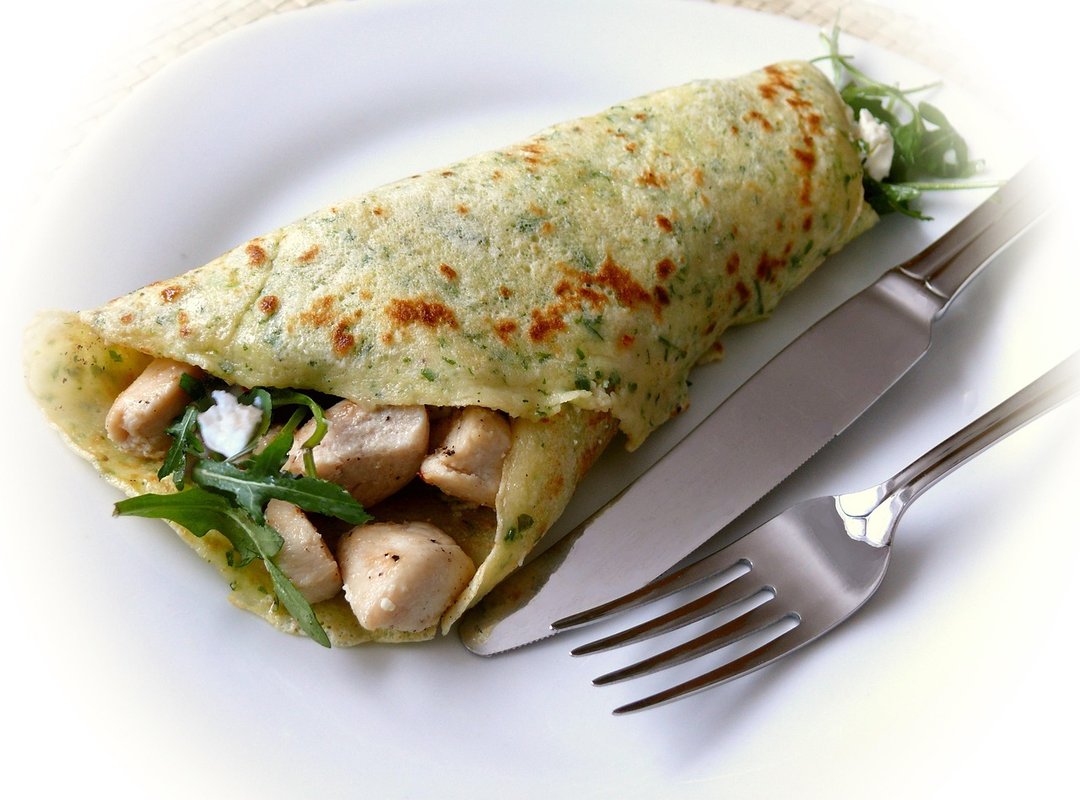
A drizzle of a melted butter and honey mixture is the most traditional and beloved topping for kookmutsjes baghrir.
Consider other popular toppings like jam, Amlou (a Moroccan almond dip), or simply a smear of butter.
Store cooled Baghrir in an airtight container at room temperature for up to 2 days.
For longer storage, keep them in the refrigerator for 4-5 days.
To freeze, separate layers with parchment paper and place them in a zip-top bag.
They can be stored this way for up to 3 months.
Reheat in a pan or microwave before serving.
 Billy Stevensonighter has opinions about recipe optimization hacks. Informed ones, backed by real experience — but opinions nonetheless, and they doesn't try to disguise them as neutral observation. They thinks a lot of what gets written about Recipe Optimization Hacks, Modern Cooking Techniques, Culinary Pulse is either too cautious to be useful or too confident to be credible, and they's work tends to sit deliberately in the space between those two failure modes.
Reading Billy's pieces, you get the sense of someone who has thought about this stuff seriously and arrived at actual conclusions — not just collected a range of perspectives and declined to pick one. That can be uncomfortable when they lands on something you disagree with. It's also why the writing is worth engaging with. Billy isn't interested in telling people what they want to hear. They is interested in telling them what they actually thinks, with enough reasoning behind it that you can push back if you want to. That kind of intellectual honesty is rarer than it should be.
What Billy is best at is the moment when a familiar topic reveals something unexpected — when the conventional wisdom turns out to be slightly off, or when a small shift in framing changes everything. They finds those moments consistently, which is why they's work tends to generate real discussion rather than just passive agreement.
Billy Stevensonighter has opinions about recipe optimization hacks. Informed ones, backed by real experience — but opinions nonetheless, and they doesn't try to disguise them as neutral observation. They thinks a lot of what gets written about Recipe Optimization Hacks, Modern Cooking Techniques, Culinary Pulse is either too cautious to be useful or too confident to be credible, and they's work tends to sit deliberately in the space between those two failure modes.
Reading Billy's pieces, you get the sense of someone who has thought about this stuff seriously and arrived at actual conclusions — not just collected a range of perspectives and declined to pick one. That can be uncomfortable when they lands on something you disagree with. It's also why the writing is worth engaging with. Billy isn't interested in telling people what they want to hear. They is interested in telling them what they actually thinks, with enough reasoning behind it that you can push back if you want to. That kind of intellectual honesty is rarer than it should be.
What Billy is best at is the moment when a familiar topic reveals something unexpected — when the conventional wisdom turns out to be slightly off, or when a small shift in framing changes everything. They finds those moments consistently, which is why they's work tends to generate real discussion rather than just passive agreement.