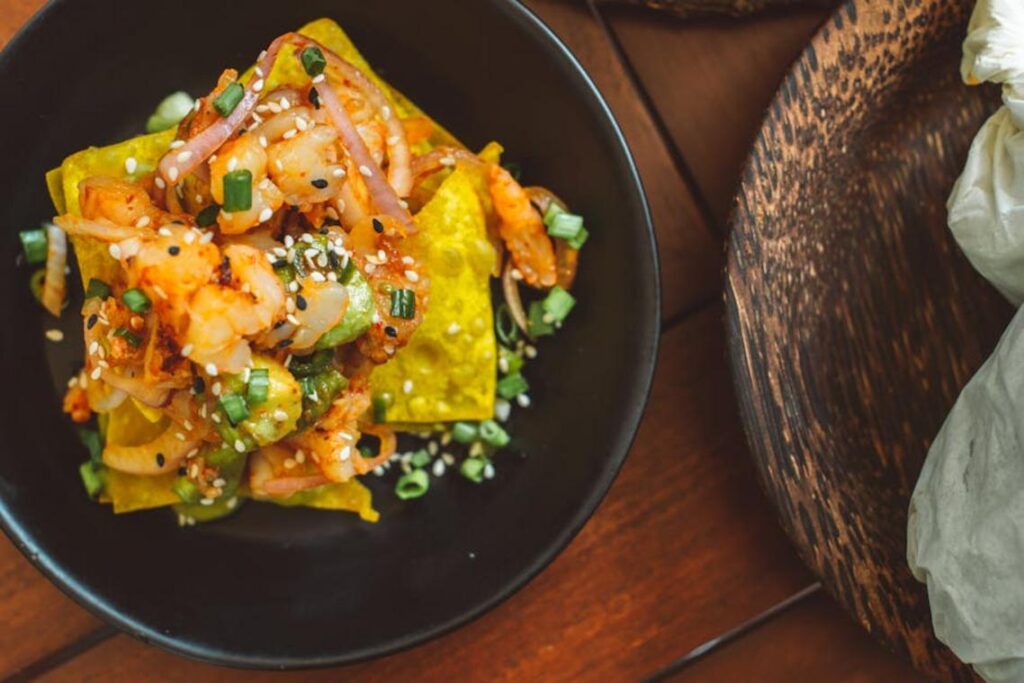

Latin cuisine with a Middle Eastern twist? Sounds like a culinary adventure waiting to happen. If you’re as obsessed with flavor as I am, this Latin Middle Eastern fusion is something you can’t miss.
It’s spicy, aromatic, and just a little wild. Maybe you’re tired of the same old recipes. Or perhaps you’re looking for something to impress at your next dinner party.
Either way, this fusion of spices and ingredients will shake things up.
Why trust this guide? I’ve scoured the best culinary minds and taste-tested my way through countless dishes. It’s a tough job, but someone’s got to do it.
Right?
This article isn’t just a tease; it’s a roadmap. We’ll dive into the heart of how these two lively cuisines meet. You’ll walk away with fresh ideas but a new perspective on global flavors.
Ready to spice up your culinary journey? Let’s get started.
The Flavor Bridge: Uncovering Shared Culinary Roots
Why do Latin and Middle Eastern cuisines work so well together? It’s not just because they both have a love for bold flavors. There’s a deeper connection here, a shared culinary DNA.
First, let’s talk about shared spices and herbs. Cumin, coriander, and parsley thrive in both regions. These ingredients aren’t just throw-ins; they’re the backbone of marinades and garnishes.
Ever tried a Latin dish and thought it tasted familiar? That’s the cumin talking. It’s the same in Middle Eastern dishes.
These flavors make you feel at home, no matter where you are.
A Love for Acidity and Freshness
Both cuisines have a thing for acidity. Citrus fruits like lime and lemon are indispensable. They aren’t just for show.
They cut through the richness and add brightness, keeping dishes exciting. Fresh herbs do the same. They make everything pop.
You’ve got to love how they raise each bite.
Now, onto the grilling and roasting obsession. Shawarma and kebab spits in the Middle East. Asado and al pastor in Latin America.
These aren’t just cooking methods; they’re a way of life. Open flames and marinades are the secret weapons. They create that char we can’t resist.
Oh, and communal eating? It’s important. Shared plates, flatbreads like pita and tortillas, and flavorful dips or salsas make meals a social experience.
It’s not just about eating; it’s about connecting.
Speaking of fusion, if you’re interested in how different cuisines come together, check out this piece on crafting unique sushi rolls global tastes. It’s a dive into combining flavors you might not expect.
Fusion Pantry Essentials: Latin Meets Middle East
to building a fusion pantry by mixing lively Latin and Middle Eastern staples. Why? Because combining these flavors can transform your cooking.
You know you want to try it (who) doesn’t?
Important Latin Staples
Let’s start south of the border. Grab some chipotles in adobo. They’re smoky, with a heat that lingers. You’ll want masa harina for tamale adventures, and don’t forget cotija cheese. It’s crumbly and brings a salty punch. Achiote paste might not be as common, but trust me, it’s worth it for its earthy, slightly peppery flavor. And of course, keep a variety of dried chiles on hand. They’re the backbone of Latin cooking, adding depth and complexity.
Important Middle Eastern Staples
Now, shift to the Middle East. Tahini is a must. It’s creamy and nutty, perfect for sauces or dressings. Za’atar brings a herby, lemony zest to anything it touches, while sumac adds a tart, almost citrusy tang. Pomegranate molasses is magic in a bottle; sweet and tangy, it makes everything better. Finally, harissa is your go-to for heat with a fragrant complexity.
Crossover Ingredients
Don’t overlook the ingredients that bridge these two cuisines. Garlic and onions are staples everywhere, and cumin brings an earthy warmth. Cilantro adds freshness, and limes provide that important acidic kick.
Together, these ingredients make fusion cooking feel smooth.
One modern technique that fits this style is sous vide. Imagine perfectly tender meat cooked this way, then finished on the grill for a charred exterior. It’s game-changing.
Curious about how this all plays out in real life? Check out fusion latin american cuisine in miami for more inspiration. It’s where cultures collide and create something extraordinary.
Fusion Frenzy: Three Dishes to Master at Home
Latin Middle Eastern fusion? It’s more than just a buzzword. It’s a culinary trend that’s all about blending bold flavors from different worlds.

And let me tell you, it’s a game-changer. Ready to dive in? Here’s how you can spice up your kitchen with three incredible fusion dishes.
First up, Tacos al Pastor with Shawarma Spices. This isn’t your basic taco. Imagine marinating pork or chicken in a mix of shawarma spices like cardamom, cinnamon, and turmeric.
Not your usual Mexican fare, right?
Add in some classic al pastor elements like pineapple and achiote. The sweetness of the pineapple with those earthy spices? Pure magic.
Serve it all on corn tortillas with a creamy tahini-lime crema. It’s like a party in your mouth where everyone gets along.
Next, let’s tackle something a bit different: Chipotle Hummus with Roasted Corn Salsa. Hummus is fantastic, but it can be a bit… bland. So, why not give it a smoky kick?
Blend in a chipotle pepper, and suddenly, your hummus goes from zero to hero.
Top it with roasted corn, black beans, red onion, and cilantro. The texture contrast is everything. Cold, creamy hummus meets warm, crunchy salsa.
It’s like yin and yang on a plate.
Finally, let’s talk about Grilled Halloumi with a Mango-Jalapeño Glaze. Halloumi is that slightly rubbery cheese that’s just begging to be grilled. Once it hits the grill, something magical happens.
Brush it with a glaze of mango puree, lime juice, and jalapeño. The balance of salty, sweet, and spicy? Perfection.
You’ll wonder how you ever lived without this combo.
These dishes are just a taste of what’s possible when you break away from traditional recipes. If you’re curious about pushing boundaries even further, check out reinventing classic italian dishes african ingredients. It’s eye-opening stuff that will have you rethinking your next dinner party.
Beyond the Recipe: Pro Tips for Balancing Flavors
I’ve been in the kitchen long enough to know that fusion cooking can get messy. Let’s talk about avoiding that mess. First, lead with one region.
If you’re experimenting with Latin Middle Eastern fusion, pick one as your base. Use the other as an accent. You’ll keep flavors clear and distinct that way.
Nobody wants a muddled dish.
Now, about richness. When you’ve got something heavy like tahini, balance it with acid. Lime or pickled onions work wonders.
It’s all about cutting through the fat.
Texture can’t be ignored either. Creamy dishes need a crunchy contrast. Think of tender meats paired with crisp garnishes.
It’s the difference between good and unforgettable.
What’s your flavor experiment going to be?
Ignite Your Flavor Adventure
Creating new flavors can feel like navigating a maze. But now, you’ve got the core recipe: blend the bold spices, fresh herbs, and grilling techniques of Latin Middle Eastern fusion. It’s a pairing that just makes sense.
This fusion harnesses the essence of two rich culinary worlds, offering endless possibilities. Are you ready to mix it up? This week, pick one concept from what you’ve learned and dive in.
Experiment with confidence. You’ll be amazed at what you can create. Need more guidance?
Visit ozvelex.com, the top-rated resource for global flavor takeaways. Start your culinary journey today!
 Andrea Malonecion writes the kind of modern cooking techniques content that people actually send to each other. Not because it's flashy or controversial, but because it's the sort of thing where you read it and immediately think of three people who need to see it. Andrea has a talent for identifying the questions that a lot of people have but haven't quite figured out how to articulate yet — and then answering them properly.
They covers a lot of ground: Modern Cooking Techniques, Tutorial Treasures, Ozvelex Fusion Cuisine Experiments, and plenty of adjacent territory that doesn't always get treated with the same seriousness. The consistency across all of it is a certain kind of respect for the reader. Andrea doesn't assume people are stupid, and they doesn't assume they know everything either. They writes for someone who is genuinely trying to figure something out — because that's usually who's actually reading. That assumption shapes everything from how they structures an explanation to how much background they includes before getting to the point.
Beyond the practical stuff, there's something in Andrea's writing that reflects a real investment in the subject — not performed enthusiasm, but the kind of sustained interest that produces insight over time. They has been paying attention to modern cooking techniques long enough that they notices things a more casual observer would miss. That depth shows up in the work in ways that are hard to fake.
Andrea Malonecion writes the kind of modern cooking techniques content that people actually send to each other. Not because it's flashy or controversial, but because it's the sort of thing where you read it and immediately think of three people who need to see it. Andrea has a talent for identifying the questions that a lot of people have but haven't quite figured out how to articulate yet — and then answering them properly.
They covers a lot of ground: Modern Cooking Techniques, Tutorial Treasures, Ozvelex Fusion Cuisine Experiments, and plenty of adjacent territory that doesn't always get treated with the same seriousness. The consistency across all of it is a certain kind of respect for the reader. Andrea doesn't assume people are stupid, and they doesn't assume they know everything either. They writes for someone who is genuinely trying to figure something out — because that's usually who's actually reading. That assumption shapes everything from how they structures an explanation to how much background they includes before getting to the point.
Beyond the practical stuff, there's something in Andrea's writing that reflects a real investment in the subject — not performed enthusiasm, but the kind of sustained interest that produces insight over time. They has been paying attention to modern cooking techniques long enough that they notices things a more casual observer would miss. That depth shows up in the work in ways that are hard to fake.