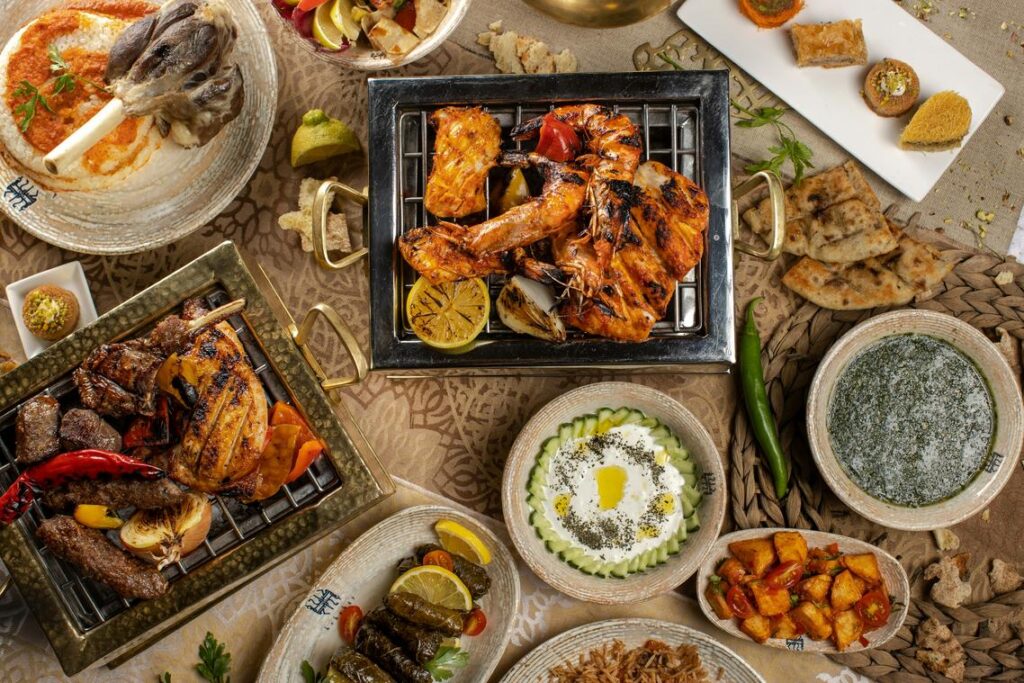
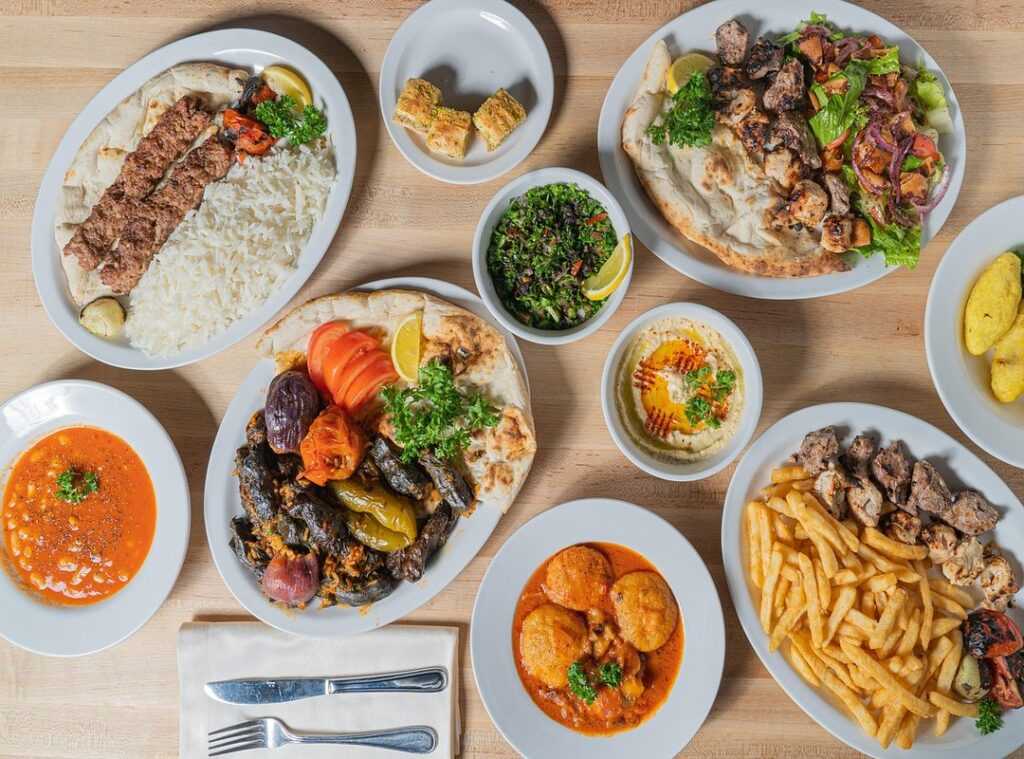
Imagine walking into a bustling spice market in the heart of the Middle East. Aromas of cumin and cardamom embrace you, promising a world of flavors just waiting to be explored. You’re here because Middle Eastern cuisine flavors fascinate you, yet the vast array can feel overwhelming.
Where do you begin? I’ve spent years diving into global flavor profiles and trust me, understanding these flavors doesn’t have to be complex.
We’ll break down the core elements that define this diverse culinary world. You want clarity, not a confusing list of spices. Let’s make sense of it all together.
I’ll guide you through the important ingredients and how they beautifully harmonize. This isn’t just about cooking. It’s about unlocking a deeper appreciation of a rich cultural mix.
Get ready for a flavorful journey.
Pillar 1: The Warm & Aromatic Spices
For me, the heart of Middle Eastern cuisine flavors lies in its warm and aromatic spices. These spices do more than just season a dish; they create a foundation of depth and comfort. Imagine a kitchen filled with the earthy scent of cumin, the citrusy sweetness of coriander, and the warm, woody notes of cinnamon.
These aren’t just spices (they’re) the soul of any good meal.
Let’s break it down. Cumin has this earthy, nutty vibe that works wonders in rubs for grilled meats or in hearty stews. It’s like the bass line in a song, grounding everything.
Coriander, on the other hand, is the citrusy, sweet high note. I love it in both savory dishes and some unexpected sweets. And cinnamon?
It’s the warm hug your food didn’t know it needed. Whether in desserts or savory dishes, it adds a comforting depth.
Now, let’s talk about the supporting cast. Allspice, cloves, cardamom, and nutmeg each bring something to the table. They often end up in spice blends like Baharat, adding complexity and balance.
But here’s a pro tip: whole spices have a more intense flavor than their ground counterparts. Toasting them before grinding can really up your game.
Curious about how these flavors compare to other cuisines? You might find it interesting to take a Deep Dive Authentic Italian Pasta Sauces to see how Italian spices stack up. Each cuisine has its own aromatic backbone, and understanding these can raise your cooking from good to unforgettable.
Pillar 2: The Bright & Tangy Counterpoints
When it comes to balance in food, acidity is the unsung hero. It’s that zingy kick that cuts through richness, lifting flavors to a whole new level. Ever had a dish that felt heavy? these tangy gems come in.
Let’s talk about Sumac. This spice is like a secret weapon in Middle Eastern cuisine flavors. Its lively red color and zesty, lemony flavor are unmistakable.
Sprinkle it on salads like fattoush, grilled meats, or even dips. It’s a finishing touch that wakes up your taste buds.
Then there’s pomegranate molasses. This stuff is gold. Its sweet-tart profile is complex, a little mysterious even.
You can use it in marinades, glazes for veggies, or salad dressings. It’s like a flavor bomb that explodes in your mouth (in a good way).
And let’s not forget the power of fresh lemon juice and preserved lemons. Fresh lemon juice is sharp, bright, and pure. But preserved lemons?
They mellow out, adding a salty, umami depth. It’s like they’ve gone through a flavor boot camp.
Imagine a rich lamb stew without these elements. It’d be flat, one-dimensional. But add a squeeze of lemon juice or a splash of pomegranate molasses, and suddenly, it sings.
That’s the magic of acidity and tanginess. They are important in creating a dish that’s not just good but unforgettable.
Pillar 3: The Rich & Nutty Foundations
Middle Eastern cuisine flavors are all about depth and texture. And trust me, this pillar is where it truly shines. At the heart of it all is tahini.

If you haven’t tried this sesame paste, you’re missing out. Its creamy texture and nutty, slightly bitter taste are big. You can taste its versatility in dishes like hummus, baba ghanoush, and tarator sauce.
But don’t just stop there. Tahini doesn’t shy away from the sweet side either. I’ve had desserts where its rich notes pair beautifully with honey or chocolate.
Nuts play a key role too. Ever had a rice pilaf layered with pistachios? It’s a game-changer.
Almonds and walnuts are equally important, adding crunch and flavor to dishes. Think of muhammara, a red pepper dip with walnuts, or baklava’s flaky, sweet indulgence. Nuts add that extra something to these and countless other treats.
Now, let’s not forget floral waters. Rosewater and Orange Blossom Water are like the secret ingredients nobody talks about but everyone loves. They give a subtle, sophisticated aroma to desserts, syrups, and even some drinks.
A little goes a long way. The fragrance is like a whisper of the exotic (never) overpowering, just a gentle reminder of where you are.
Oh, and if you’re curious about other flavor secrets, there’s a fascinating read on Unveiling Secrets Japanese Umami. It’s interesting how different cultures create depth in their cuisine. But back to the Middle East.
This pillar is more than just taste; it’s the soul of the cuisine. Each bite tells a story, every flavor layer adding to its rich mix.
Pillar 4: The Herbaceous Pulse
Ever wondered what gives Middle Eastern cuisine its unique zing? It’s the fresh herbs, the unsung heroes. Think of parsley, mint, and cilantro as the holy trinity.
Parsley is what I call refreshingly peppery. You know, the kind that lifts tabbouleh to its legendary status.
Mint! It’s that cool, sweet whisper in your mouth. Like a breath of fresh air.
It’s perfect in salads and drinks, making everything taste alive. And cilantro? It’s bright and citrusy, the perfect complement to spicy and tangy dishes.
Love it or hate it, you can’t deny its power.
Let’s talk alliums. Garlic and onions are the unsung base of countless dishes. The pungent, savory kick they offer defines stews and sautés.
Ever started a sauce without these? I doubt it. They might just be the culinary world’s best friends.
And then there’s Za’atar. This spice blend feels like magic. It mixes dried thyme or oregano, sumac, and sesame seeds.
It’s earthy and nutty, with a touch of tangy flair. Use it on bread with olive oil, or sprinkle it on grilled veggies. Trust me, it’s a staple that transforms dishes.
Why are these elements so indispensable in Middle Eastern cuisine flavors? Because they bring dishes to life. They add a lively kick to anything they touch.
Without them, everything falls flat. So if you’re cooking, start with these. That’s what I’d choose.
No doubt about it. Essentials for any kitchen.
Spice Up Your Kitchen
Middle Eastern cuisine flavors have an allure that’s hard to resist. They might seem complex at first, but they rest on four simple pillars: warm spices, bright acids, rich textures, and fresh herbs. Once you grasp these, the magic unfolds.
Feeling overwhelmed? Don’t be. Why not start with one pillar?
Pick a herb-packed salad or a tahini dish. Experiment. Experience how these flavors transform ordinary meals into extraordinary ones.
Curious to dive deeper? Visit ozvelex.com for more culinary takeaways. Explore global flavors and modern techniques.
Ready to raise your cooking game? Start now. Taste the difference yourself.
 Billy Stevensonighter has opinions about recipe optimization hacks. Informed ones, backed by real experience — but opinions nonetheless, and they doesn't try to disguise them as neutral observation. They thinks a lot of what gets written about Recipe Optimization Hacks, Modern Cooking Techniques, Culinary Pulse is either too cautious to be useful or too confident to be credible, and they's work tends to sit deliberately in the space between those two failure modes.
Reading Billy's pieces, you get the sense of someone who has thought about this stuff seriously and arrived at actual conclusions — not just collected a range of perspectives and declined to pick one. That can be uncomfortable when they lands on something you disagree with. It's also why the writing is worth engaging with. Billy isn't interested in telling people what they want to hear. They is interested in telling them what they actually thinks, with enough reasoning behind it that you can push back if you want to. That kind of intellectual honesty is rarer than it should be.
What Billy is best at is the moment when a familiar topic reveals something unexpected — when the conventional wisdom turns out to be slightly off, or when a small shift in framing changes everything. They finds those moments consistently, which is why they's work tends to generate real discussion rather than just passive agreement.
Billy Stevensonighter has opinions about recipe optimization hacks. Informed ones, backed by real experience — but opinions nonetheless, and they doesn't try to disguise them as neutral observation. They thinks a lot of what gets written about Recipe Optimization Hacks, Modern Cooking Techniques, Culinary Pulse is either too cautious to be useful or too confident to be credible, and they's work tends to sit deliberately in the space between those two failure modes.
Reading Billy's pieces, you get the sense of someone who has thought about this stuff seriously and arrived at actual conclusions — not just collected a range of perspectives and declined to pick one. That can be uncomfortable when they lands on something you disagree with. It's also why the writing is worth engaging with. Billy isn't interested in telling people what they want to hear. They is interested in telling them what they actually thinks, with enough reasoning behind it that you can push back if you want to. That kind of intellectual honesty is rarer than it should be.
What Billy is best at is the moment when a familiar topic reveals something unexpected — when the conventional wisdom turns out to be slightly off, or when a small shift in framing changes everything. They finds those moments consistently, which is why they's work tends to generate real discussion rather than just passive agreement.