
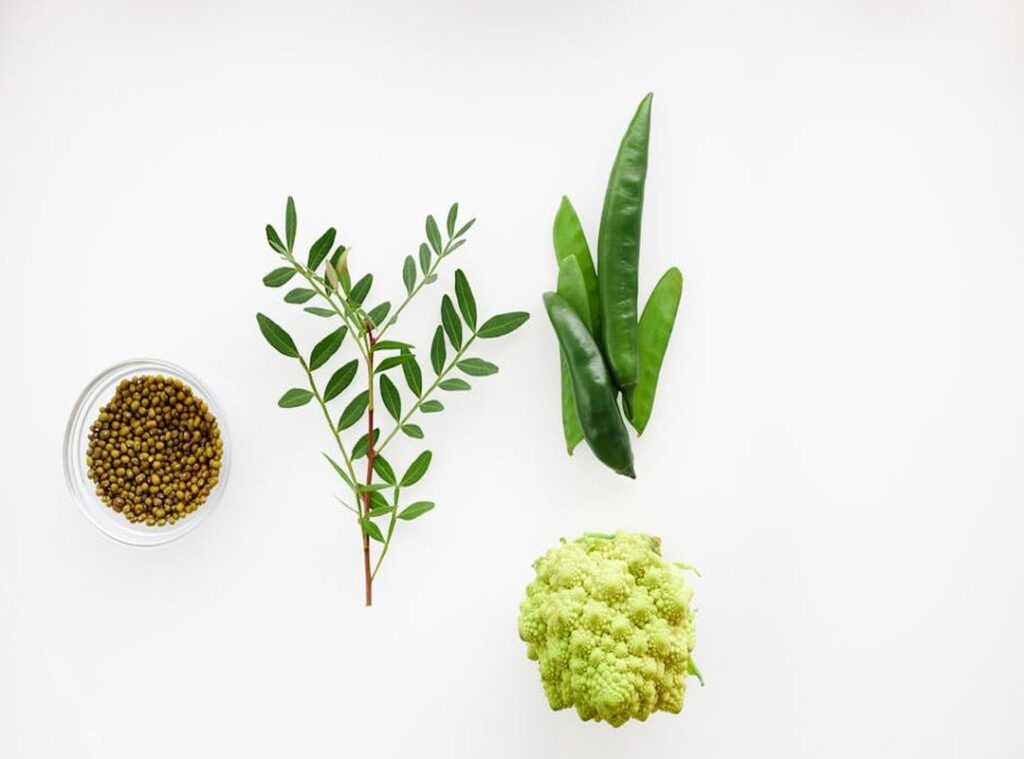
Close your eyes and imagine this: a soggy salad or a plate of bland tofu. That’s the stereotype, right? But let’s cut through that tasteless myth.
Many people want to eat plant-based for health or the planet, but they’re scared of being bored. I get it. Who wants meals that taste like cardboard?
But here’s the secret: the rise of plant-based diets isn’t about limitations. It’s about flavor explosions, textures that surprise, and dishes that bring global cuisine to your table. I’ve tasted (and cooked) my way through culinary techniques that turn simple plants into mouthwatering masterpieces.
You’ll discover how creativity drives this food revolution. Trust me. By the end, you’ll see how plant-based meals can be the highlight of your dining experience.
Ready to dive in?
Rethinking the Plate: From Limits to Layers
Plant-based eating isn’t about sacrifice. It’s about abundance. We’re moving away from “what you can’t have” to “what you can add.” Think about a plate.
Deep green kale, bright orange sweet potato. Creamy avocado, crunchy seeds. It’s not just food; it’s an experience.
Doesn’t it make you wonder why we didn’t see this before? The rise of plant-based diets isn’t some fleeting trend. It’s a rediscovery.
Global cuisines have always celebrated vegetables, grains, and pulses. Flavors layered in a way that satisfies every taste bud. It’s called “flavor architecture.” Savory, sweet, acidic, spicy (building) blocks of a perfect meal.
Take a pro tip from the Italians with their basil-infused olive oil or the Indians with their toasted spices. Ever noticed how fresh herbs transform a dish? You should check out the top 5 seasonal ingredients spice menu for more inspiration (you’re welcome).
It’s not rocket science. Just a bit of creativity. So, as you rethink your plate, remember: it’s not about what’s missing.
It’s about what you gain. The colors, textures, and aromas that make each meal an adventure. Now, isn’t that something worth tasting?
The Secret Weapon for Hearty Meals: Unlocking Culinary Pulses
Culinary pulses. Ever heard of them? They’re the delicious, edible seeds of plants like lentils, chickpeas, and beans.
These little powerhouses can transform your meals. They soak up flavors like a sponge and provide that hearty texture we crave, preventing your dishes from feeling “light” or incomplete.
You might wonder, why pulses? Well, consider this: a red lentil dal. It’s earthy and thick, warming you from the inside out.
It’s a dish that’s stood the test of time in Indian kitchens. Or take hummus. When blended perfectly, it’s creamy and smooth, a staple in Middle Eastern cuisine.
Let’s not forget about roasted chickpeas. Addictively crunchy, they bring a salty punch that’s hard to resist. Each of these examples showcases pulses’ versatility and global roots, proving their time-tested appeal.
With the rise of plant-based diets, pulses offer a solution for those seeking flavorful, satisfying meals. They’re not just beans on a plate. No, they’re part of a culinary tradition that spans continents and cultures.
But there’s more to it. According to foods for plant-based diets: challenges and innovations, these pulses meet dietary needs but also address sustainability challenges.
So, next time you’re meal planning, think pulses. They might be the secret weapon your kitchen’s missing. Why not give them a try?
You might find they’re exactly what you need to raise your cooking game.
Spice It Up: Simple Ways to Amp Up Veggies
Why stick to just salt and pepper when the world of spices can do so much more? Seriously. With the rise of plant-based diets, it’s time we spice things up, quite literally.
Let’s talk about a starter kit for global flavors. Smoked paprika adds a smoky depth that makes you feel like you’re at a barbecue. Cumin?
Earthy and warm, it’s like a hug in spice form. Coriander brings a bright citrusy note that’s unexpected but delightful.
Pro tip: Ever heard of “blooming” spices? This technique transforms flavor profiles. Gently heat the spices in a little oil before adding anything else.
The kitchen fills with a heady scent. It’s almost intoxicating. When spices release their aromatic compounds, they become the flavor superstars of any dish.
Here’s a little example. Take a can of black beans. Humble, sure, but wait till you try this.
Bloom some cumin and chili powder in oil, then toss in the beans. Finish with a squeeze of lime. The transformation is almost magical.
What seemed basic suddenly becomes lively.
This isn’t just about flavor; it’s about experience. And if you’re curious about how this connects to broader trends, check out how food trends shaped social media. It’s fascinating to see how global tastes influence what we’re cooking at home.
Give it a shot. Your taste buds will thank you.
The Art of the Swap: Easy, Satisfying Plant-Based Transitions
Ever tried replacing ground meat with a mix of finely chopped mushrooms and walnuts in your tacos? The texture is fantastic. It’s like introducing your taste buds to a whole new party.

These swaps aren’t about stripping away what you love. They’re about adding something exciting to your plate.
Take another swap: dairy cream out, a puree of cannellini beans and vegetable broth in. The soup gets this velvety texture that’s downright indulgent. You ever wonder why we cling so tightly to traditional ingredients?
Sometimes change doesn’t mean losing out. It’s a culinary adventure.
Now, I’m not suggesting an overnight life overhaul. Food transitions should feel like upgrades, not compromises. When the rise of plant-based diets sweeps in, it’s not just about lettuce leaves and green juice (we’re not rabbits).
It’s about flavors and nutrients that surprise you. I mean, who knew that walnut-mushroom tacos could taste so good?
I’ve found the key is simplicity. Swaps that are easy and satisfying make the switch enjoyable. You won’t miss the old ingredients because you’re exploring fresh territory with these new ones.
So, next time you cook, think of it as a crafty upgrade rather than a dreaded diet change.
Flavorful Bowls: A Simple Formula
You know what? Building a delicious plant-based bowl doesn’t need a complex recipe. It’s all about a simple formula: Hearty Base + Colorful Veggies + Power Pulse + Flavorful Sauce + Crunchy Topper.
This formula lets you create a bowl that’s not just filling but also a feast for the senses. Imagine quinoa as your base. It’s warm and nutty, providing that grounding element.
Top it off with a creamy lemon-tahini dressing that ties everything together. Oh, and don’t forget those toasted sunflower seeds for that irresistibly crunchy finish.
Add roasted broccoli and red peppers for color and a hint of char (who doesn’t love a bit of crunch?). For protein, spiced chickpeas fit the bill perfectly. They’re not just nutritious but also bring a nice kick.
This isn’t just a recipe; it’s a template for creativity. Mix and match based on what you’ve got at home or what you crave. The rise of plant-based diets has made it easier than ever to experiment with flavors and textures.
Flavor Without Sacrifice
The fear of losing flavor and satisfaction stops many from trying plant-based eating. But here’s the truth: focusing on texture, global spices, and hearty pulses can change your meals. Forget bland meals.
This approach makes every bite exciting and keeps you coming back for more.
Want proof? The rise plant-based diets isn’t just about health; it’s about taste and enjoyment.
So why wait? This week, choose one new spice or pulse from what we discussed. Build a meal around it.
You’ll see. Your taste buds will thank you. It’s time to taste the difference.
 Torvessa Druvina writes the kind of tutorial treasures content that people actually send to each other. Not because it's flashy or controversial, but because it's the sort of thing where you read it and immediately think of three people who need to see it. Torvessa has a talent for identifying the questions that a lot of people have but haven't quite figured out how to articulate yet — and then answering them properly.
They covers a lot of ground: Tutorial Treasures, Recipe Optimization Hacks, Ozvelex Fusion Cuisine Experiments, and plenty of adjacent territory that doesn't always get treated with the same seriousness. The consistency across all of it is a certain kind of respect for the reader. Torvessa doesn't assume people are stupid, and they doesn't assume they know everything either. They writes for someone who is genuinely trying to figure something out — because that's usually who's actually reading. That assumption shapes everything from how they structures an explanation to how much background they includes before getting to the point.
Beyond the practical stuff, there's something in Torvessa's writing that reflects a real investment in the subject — not performed enthusiasm, but the kind of sustained interest that produces insight over time. They has been paying attention to tutorial treasures long enough that they notices things a more casual observer would miss. That depth shows up in the work in ways that are hard to fake.
Torvessa Druvina writes the kind of tutorial treasures content that people actually send to each other. Not because it's flashy or controversial, but because it's the sort of thing where you read it and immediately think of three people who need to see it. Torvessa has a talent for identifying the questions that a lot of people have but haven't quite figured out how to articulate yet — and then answering them properly.
They covers a lot of ground: Tutorial Treasures, Recipe Optimization Hacks, Ozvelex Fusion Cuisine Experiments, and plenty of adjacent territory that doesn't always get treated with the same seriousness. The consistency across all of it is a certain kind of respect for the reader. Torvessa doesn't assume people are stupid, and they doesn't assume they know everything either. They writes for someone who is genuinely trying to figure something out — because that's usually who's actually reading. That assumption shapes everything from how they structures an explanation to how much background they includes before getting to the point.
Beyond the practical stuff, there's something in Torvessa's writing that reflects a real investment in the subject — not performed enthusiasm, but the kind of sustained interest that produces insight over time. They has been paying attention to tutorial treasures long enough that they notices things a more casual observer would miss. That depth shows up in the work in ways that are hard to fake.