
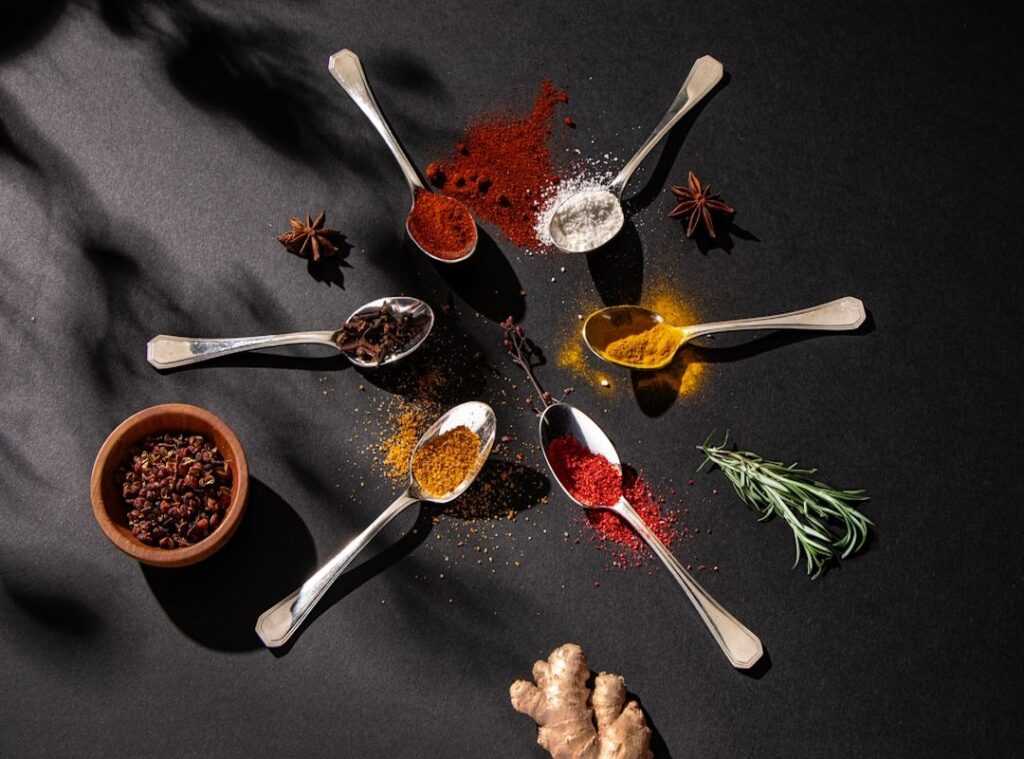
Sick of overpriced, dull seasoning mixes packed with anti-caking junk? Me too. That’s why I’m sharing this spice blends tutorial.
You can create fresh, lively, perfectly balanced blends right at home. No more settling for bland store-bought stuff. I’m diving deep into global flavors and modern culinary tricks to make it simple.
You’ll learn the basics of building flavor, get practical recipes, and even craft your own signature mixes. Trust me, I’ve done the legwork (and a lot of taste tests).
By the end, you’ll be a seasoning pro. Ready to spice up your kitchen skills? Let’s get started.
The Spice Symphony: Crafting a Flavorful Blend
Every great seasoning mix is like a well-orchestrated symphony. It’s not just about tossing random spices together. There’s a method to the madness.
You build it on a few core components, not just salt and pepper.
First, the Base. Salt is the unsung hero here, enhancing all other flavors. Without it, you’re lost.
If you’re avoiding salt, try mushroom or seaweed powder for that hard to find umami kick. It’s not the same, but it gets the job done.
Next up, the Body. These are your go-to savory flavors. Garlic powder, onion powder, smoked paprika.
You know them, you love them. They form the backbone of any good mix.
The Accent is where things get interesting. You bring in dried herbs like oregano or thyme. Sometimes, a dash of cumin or coriander gives it personality.
It’s like discovering a hidden track on your favorite album.
Finally, the X-Factor. This is where you add heat with cayenne or black pepper. Maybe some ground ginger or citrus zest to keep people guessing.
This is what makes it memorable.
For more culinary adventures, check out the perfect art baking with yeast at Ozvelex. It’s a wild ride.
Spice Up Your Kitchen: Three DIY Blends
You want to transform your cooking without breaking the bank. Who doesn’t? to this spice blends tutorial. I promise, it’s easier than you think.
First up, the All-Purpose Savory Herb Mix. This one’s a kitchen workhorse. Perfect for chicken, fish, and roasted vegetables.
It’s like magic dust for your meals. Here’s what you need:
- 2 tbsp garlic powder
- 2 tbsp onion powder
- 1 tbsp dried oregano
- 1 tbsp dried basil
- 1 tbsp black pepper
- 1 tbsp salt
Mix all ingredients in a bowl. Store in an airtight container (seriously, don’t skip this). Sprinkle it on your next chicken roast and taste the difference.
I dare you.
Now, let’s talk about the Smoky & Sweet BBQ Rub. This is the secret to unforgettable pork and ribs. Seriously, once you try it, there’s no going back.
Gather these:
- 3 tbsp smoked paprika
- 2 tbsp brown sugar
- 1 tbsp chili powder
- 1 tbsp cumin
- 2 tsp salt
- 1 tsp black pepper
Combine everything. Rub generously on your meat before grilling. Pro tip: Let it sit for an hour to soak up all that goodness.
Finally, the Zesty Taco Seasoning. Why buy packets when you can make your own fresh, additive-free mix? You need:
- 2 tbsp chili powder
- 1 tbsp cumin
- 1 tbsp paprika
- 1 tbsp onion powder
- 1 tbsp garlic powder
- 1 tbsp oregano
- 1 tsp cayenne pepper
Mix it all together. Use it for tacos that make you question every other taco you’ve ever had. Ever noticed how homemade tastes better?
That’s because it is. Check out these homemade spice blends for more inspiration.
So, ready to shake up your kitchen? Dive in with these blends and see how a bit of mixing can change your dinners forever.
Craft Your Signature Blend: A Simple Formula
Creating your own spice blend is like painting with flavors. It’s the most creative and rewarding step in cooking. Why follow someone else’s recipe when you can craft your own?
Let’s break it down. Start with 4 parts Body. Think of something like paprika, which gives depth.
Let me introduce you to the 4-3-2-1 Method. It’s simple and memorable: 4 parts Body, 3 parts Accent, 2 parts Base, and 1 part X-Factor.
Then, add 3 parts Accent. Cumin or oregano work wonders here. For the Base, go with 2 parts of essentials like salt or garlic.
Finally, the X-Factor. Just 1 part, but it packs a punch. Cayenne pepper is a great choice.
Want an example? Imagine a lemon-pepper herb mix for seafood. Use lemon zest as your Body, black pepper as the Accent, a bit of garlic salt for the Base, and finish with a sprinkle of dill as the X-Factor.
It’s fresh, zesty, and perfect for fish.
Pro tip: Start with small batches. This way, you’re not overwhelmed if something goes wrong. And keep a notebook.
Trust me, you’ll want to remember that magical combination you stumbled upon at 2 a.m.
Oh, and if you’re trying this out, remember that Knife Skills 101 Important Cuts can help you prep your ingredients efficiently. It’s a handy guide for getting those perfect slices and dices.
So, ready to dive into your own spice blends tutorial? Roll up your sleeves and let your taste buds guide you.
Spice Blends: A Global Flavor Journey
Traveling around the world through seasoning mixes is like diving into the heart of culture. You can’t talk about spice blends without mentioning Za’atar. Originating in the Middle East, this mix is tangy and earthy.
You can find it sprinkled on everything from bread to roasted meats. Its key ingredients? Thyme, sumac, and sesame seeds.
Simple yet undeniably effective.
Now let’s hop over to Japan. Ever heard of Shichimi Togarashi? It’s a staple in Japanese cuisine.
Spicy, citrusy, and nutty, this blend adds a punch to soups and noodles. The secret to its flavor? A mix of chili pepper, orange peel, sesame seeds, and seaweed. (Yes, seaweed.
Who knew?)
Ethiopia has its own star blend: Berbere. It’s hot and aromatic, often used in stews and meats. The complexity comes from a medley of chili peppers, garlic, ginger, and a host of other spices.
You could say it’s the backbone of Ethiopian cooking.
These blends aren’t just about taste. They’re a spice blends tutorial on cultural history. Each one tells a story, connecting us to traditions beyond our own kitchens.
So why stick to salt and pepper when the world is brimming with flavor? Get adventurous. Try integrating these mixes into your dishes, and you might just surprise yourself.
Every spoonful of these blends is a step into a different world. Cooking is about exploration, after all. What’s stopping you from spicing things up?
Spice Blends Tutorial: Store Like a Pro
Storing homemade spice blends isn’t rocket science, but there’s a key to keeping them fresh. Use airtight containers. Glass jars are my go-to (not those flimsy plastic ones).
Keep them in a cool, dark spot. No, not above the stove. That’s a rookie mistake.
Aim for a pantry shelf instead.
Homemade mixes are best within six months. After that, they lose their punch. Use them wisely.
Dry rubs go before cooking. Add blends to soups or sauces while cooking.
Got all that? Then you’re ready to dive into the world of flavor like a true pro chef.
Take Control of Your Kitchen Creations
Ready to ditch bland, store-bought options? Time to dive into custom flavors. You now understand how complete control over flavor, freshness, and ingredients elevates your cooking.
Choose one recipe from this spice blends tutorial and make it this week. Start your journey into custom flavors now.
 Andrea Malonecion writes the kind of modern cooking techniques content that people actually send to each other. Not because it's flashy or controversial, but because it's the sort of thing where you read it and immediately think of three people who need to see it. Andrea has a talent for identifying the questions that a lot of people have but haven't quite figured out how to articulate yet — and then answering them properly.
They covers a lot of ground: Modern Cooking Techniques, Tutorial Treasures, Ozvelex Fusion Cuisine Experiments, and plenty of adjacent territory that doesn't always get treated with the same seriousness. The consistency across all of it is a certain kind of respect for the reader. Andrea doesn't assume people are stupid, and they doesn't assume they know everything either. They writes for someone who is genuinely trying to figure something out — because that's usually who's actually reading. That assumption shapes everything from how they structures an explanation to how much background they includes before getting to the point.
Beyond the practical stuff, there's something in Andrea's writing that reflects a real investment in the subject — not performed enthusiasm, but the kind of sustained interest that produces insight over time. They has been paying attention to modern cooking techniques long enough that they notices things a more casual observer would miss. That depth shows up in the work in ways that are hard to fake.
Andrea Malonecion writes the kind of modern cooking techniques content that people actually send to each other. Not because it's flashy or controversial, but because it's the sort of thing where you read it and immediately think of three people who need to see it. Andrea has a talent for identifying the questions that a lot of people have but haven't quite figured out how to articulate yet — and then answering them properly.
They covers a lot of ground: Modern Cooking Techniques, Tutorial Treasures, Ozvelex Fusion Cuisine Experiments, and plenty of adjacent territory that doesn't always get treated with the same seriousness. The consistency across all of it is a certain kind of respect for the reader. Andrea doesn't assume people are stupid, and they doesn't assume they know everything either. They writes for someone who is genuinely trying to figure something out — because that's usually who's actually reading. That assumption shapes everything from how they structures an explanation to how much background they includes before getting to the point.
Beyond the practical stuff, there's something in Andrea's writing that reflects a real investment in the subject — not performed enthusiasm, but the kind of sustained interest that produces insight over time. They has been paying attention to modern cooking techniques long enough that they notices things a more casual observer would miss. That depth shows up in the work in ways that are hard to fake.