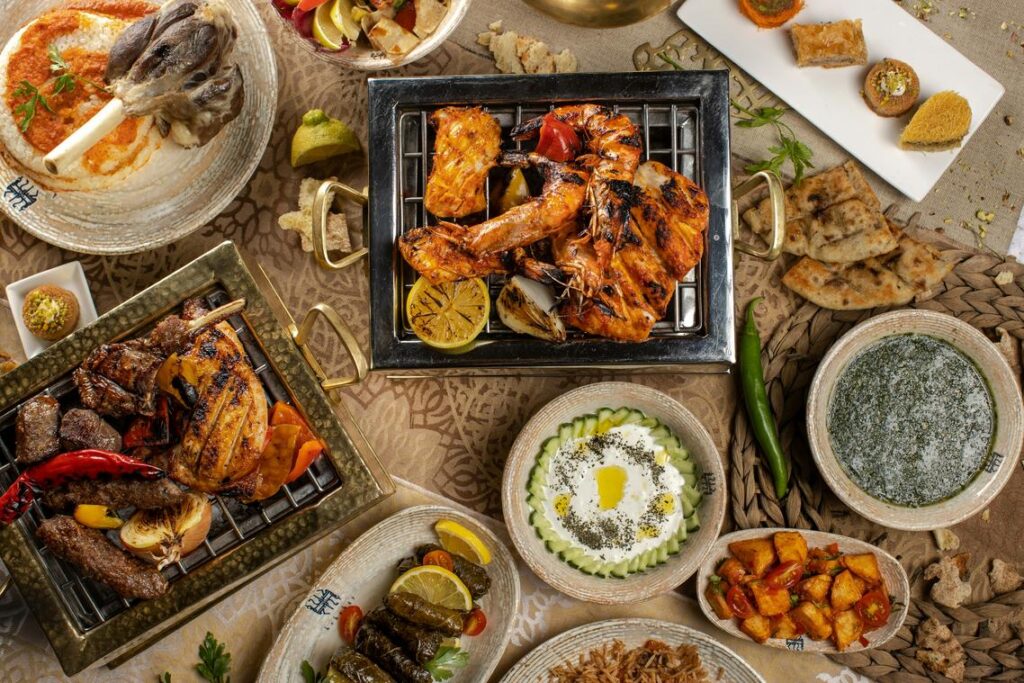

Ever feel stuck in a flavor rut, reaching for the same three spices every time you cook? You’re not alone. Many of us crave new tastes but get intimidated by the unknown.
Enter West African cuisine, a world bursting with vibrancy and complexity. It’s a culinary space (yes, I went there) rich with flavors that are both bold and comforting. Yet, the spices can seem daunting, leaving home cooks unsure where to start.
this guide steps in. We’ll explore West Africa unique spices, breaking down their distinct profiles and how best to use them. Trust me, my passion for global flavors isn’t just talk.
I live for this. By the end, you’ll feel ready to experiment confidently, bringing exotic tastes to your own kitchen. Get ready to transform your cooking.
The Flavor Symphony of West Africa: More Than Just Spice
When you think West African cooking, don’t just think heat or salt. It’s about crafting deep, complex layers of flavor that surprise you at every bite. Smokiness from grilled meats or spices, umami from fermented ingredients, and pungent aromatics are the heartbeats of this cuisine.
Does it just burn your tongue? No way. These spices create a spectrum of tastes.
Earthy, floral, citrusy (each) offering a new experience. Take the Nigerian Suya blend, for example. It’s nutty and bold, unlike the more aromatic notes of a Senegalese stew.
This isn’t just about cooking; it’s about understanding why these flavors exist and how they shape a dish.
West African spices are unique, not just in how they taste but in what they mean. They’re about history, culture, and identity. Like Exploring Complex Flavors Middle Eastern Cuisine, it’s key to appreciate the ‘why’ before diving into the ‘what’.
So next time you try a dish, think about the stories hidden in those spices.
Earthy, Smoky, and Nutty: The Foundational Spices
West African dishes owe much of their depth and richness to their foundational spices. These ingredients are the backbone, creating a symphony of flavors that you can’t find anywhere else. to what makes these spices so special.
Take Dawadawa, those fermented locust beans. Imagine a scent that’s as solid as miso, perhaps even akin to a strong cheese. Not for the faint-hearted, but boy, does it transform soups and stews into umami-rich marvels.
It’s the secret weapon for Jollof rice, egusi soup, and okra stew. Think you can handle it?
Then there’s Grains of Selim, or Uda, with its unique elongated pods. Smoky, musky, and just a tad peppery, these are like nature’s little flavor bombs. Typically, they’re used whole and removed before serving to avoid any bitterness.
Perfect for infusing broths like pepper soup or adding depth to stews. And don’t overlook its role as a smoking agent for grilled fish. Ever tried it?
And of course, Calabash Nutmeg (Ehuru) is not your everyday nutmeg. It’s more pungent and earthy, packing a punch that’s best appreciated when freshly ground. This spice is a game-changer for pottages and stews like banga soup.
Even meat rubs spring to life under its spell.
Interested in more of west africa unique spices? They’re the true soul of the region’s cuisine. These spices don’t just fill bellies; they tell stories, weaving history into every dish.
And that’s why they’re indispensable in any culinary adventure.
West African Spice Symphony: A Flavor Explosion
Ever wondered what makes West African dishes so lively? It’s all about the spices. These aren’t just any spices.
They’re the bright notes that sing in every dish.
Let’s start with Grains of Paradise, also known as Alligator Pepper. This isn’t your ordinary black pepper. It’s a finishing spice with a complex flavor profile.
Think peppery, with hints of cardamom, ginger, and citrus. It adds an unexpected zing to grilled meats or salads. It’s not just about heat.
It’s about depth.
Then there’s Uziza, or Ashanti Pepper. The peppercorns deliver a sharp, spicy heat. The leaves, if you can get them, have a herbaceous, peppery aroma.
Perfect for pepper soup or stews. It’s a spice that commands attention in any dish.
And who can forget Yaji, the Suya Spice? This isn’t a single spice, but a blend. Ground kuli-kuli (peanut cake), ginger, paprika, onion powder, and chili peppers all come together.
The result? A nutty, spicy, savory mix that’s addictive. It’s the heart of Suya skewers, but don’t stop there.
It’s fantastic on grilled chicken, fish, or even roasted cauliflower.
Curious about how these spices compare to flavors from other regions? Check out the Unveiling Secrets Japanese Umami for a deep dive into another flavor world.
West Africa’s unique spices aren’t just about heat. They’re about creating a symphony of flavors that dance on your palate. Why settle for bland when you can have bold?
Spice Adventures: Where to Find and How to Keep Them Fresh
Where can you even find those hard to find West Africa unique spices? Start at your local African or Caribbean grocery store. They’re your best bet (and a fun adventure).
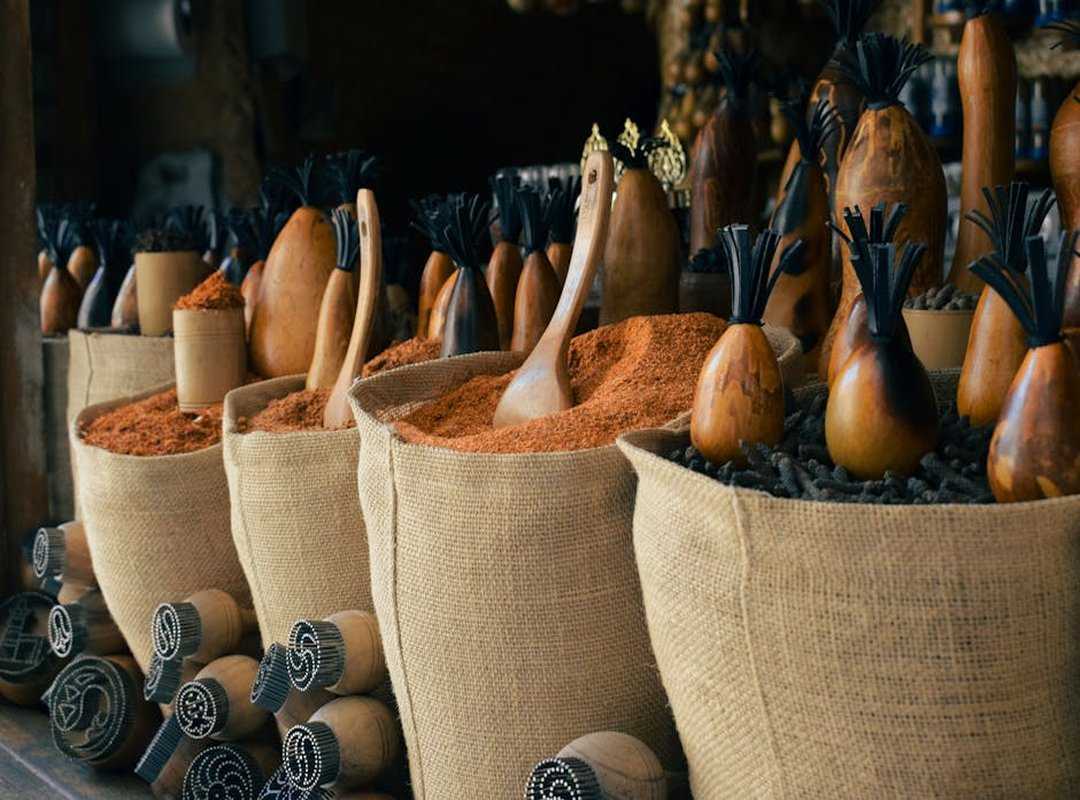
Online spice merchants are a solid backup. Just punch in the spice names directly. But here’s the kicker: look for lively colors and strong aromas.
They’re a sign of quality.
Whole spices over pre-ground powders? Always. They last longer and pack a punch in flavor.
Trust me, your taste buds will thank you. When buying, pick the ones that scream freshness.
Now, about storing these treasures. Airtight glass jars are your best friends. Keep them in a cool, dark place.
Away from the stove’s reach. Sunlight and heat? That’s a spice death sentence.
Label them clearly so you don’t confuse your nutmeg with your cinnamon at two in the morning.
Pro tip: buy in small batches. Use them while they’re still fresh. Nothing kills a dish like stale spices.
Remember, spices are like pop culture references. They lose their edge over time. So, treat them well, and they’ll lift your dishes from bland to bold.
Keep your kitchen spicy, in every sense of the word.
Spice It Up: West African Flavors at Home
Ever tried to capture the taste of West Africa in your kitchen? It’s easier than you think. Here’s a simple spice blend to get you started.
Mixing ground Grains of Paradise, paprika, ginger powder, and onion powder, this blend brings a unique twist to your dishes.
Start with equal parts of each spice. Adjust as you like once you’re familiar with the flavors. Does the ginger need a bit more kick?
You decide.
This isn’t just a spice blend; it’s a passport to flavor. Toss it with roasted sweet potatoes for a sweet-smoky combo. Rub it on chicken thighs before baking to add depth.
Stir it into lentil soup for a smoky kick that warms the soul.
Experimentation is key. As you explore these West Africa unique spices, feel free to tweak and personalize. Cooking should be fun, right?
Try it out, and let your taste buds travel.
Dive Into West African Flavors Today
Feeling stuck in a flavor rut? Not anymore. You’ve found the perfect guide to West Africa unique spices.
Your taste buds will thank you. The once-mysterious world of these spices is now at your fingertips. You were searching for something fresh, a new culinary adventure.
This guide is your roadmap. Pick a spice from the list or try mixing the all-purpose blend this week. Why not start today?
Challenge yourself. Your kitchen’s never smelled so good. These flavors are waiting.
Dive in, explore, and transform your meals. Ready to spice things up? Get started now.
 Billy Stevensonighter has opinions about recipe optimization hacks. Informed ones, backed by real experience — but opinions nonetheless, and they doesn't try to disguise them as neutral observation. They thinks a lot of what gets written about Recipe Optimization Hacks, Modern Cooking Techniques, Culinary Pulse is either too cautious to be useful or too confident to be credible, and they's work tends to sit deliberately in the space between those two failure modes.
Reading Billy's pieces, you get the sense of someone who has thought about this stuff seriously and arrived at actual conclusions — not just collected a range of perspectives and declined to pick one. That can be uncomfortable when they lands on something you disagree with. It's also why the writing is worth engaging with. Billy isn't interested in telling people what they want to hear. They is interested in telling them what they actually thinks, with enough reasoning behind it that you can push back if you want to. That kind of intellectual honesty is rarer than it should be.
What Billy is best at is the moment when a familiar topic reveals something unexpected — when the conventional wisdom turns out to be slightly off, or when a small shift in framing changes everything. They finds those moments consistently, which is why they's work tends to generate real discussion rather than just passive agreement.
Billy Stevensonighter has opinions about recipe optimization hacks. Informed ones, backed by real experience — but opinions nonetheless, and they doesn't try to disguise them as neutral observation. They thinks a lot of what gets written about Recipe Optimization Hacks, Modern Cooking Techniques, Culinary Pulse is either too cautious to be useful or too confident to be credible, and they's work tends to sit deliberately in the space between those two failure modes.
Reading Billy's pieces, you get the sense of someone who has thought about this stuff seriously and arrived at actual conclusions — not just collected a range of perspectives and declined to pick one. That can be uncomfortable when they lands on something you disagree with. It's also why the writing is worth engaging with. Billy isn't interested in telling people what they want to hear. They is interested in telling them what they actually thinks, with enough reasoning behind it that you can push back if you want to. That kind of intellectual honesty is rarer than it should be.
What Billy is best at is the moment when a familiar topic reveals something unexpected — when the conventional wisdom turns out to be slightly off, or when a small shift in framing changes everything. They finds those moments consistently, which is why they's work tends to generate real discussion rather than just passive agreement.