Why is everyone suddenly obsessed with liquid nitrogen cooking? It’s bizarre, right? You see it in fancy restaurants and think, “Is this just a gimmick?” I’ve been there, skeptical and curious.
But when you watch someone use it, transforming ordinary ingredients into something otherworldly, you start to get it. It’s not just about the smoke show. It’s about precision and innovation in the kitchen, something we all crave when our taste buds get bored.
But here’s the kicker: not every experiment succeeds. Some are disastrous (trust me, I’ve seen it). This article will show you how to avoid those pitfalls.
I’ll share takeaways from top chefs who’ve mastered this technique. Does it really raise your culinary game, or is it just for show? We’ll explore that.
Dive in with me. You’ll discover the magic behind this frosty culinary trend and why it might just be worth your attention.
Nitrogen Infusion: Beyond the Bubbles
Let’s dive into nitrogen infusion. It’s not just about bubbles, though they’re a big part of it. This process involves dissolving nitrogen gas into a liquid under pressure.
Imagine it like carbonation’s cooler cousin. While carbonation gives us that sharp fizz in soda, nitrogen’s smaller bubbles create a smooth, creamy texture. It’s about transforming the mouthfeel without altering the taste.
Now, here’s a common mix-up. Nitrogen infusion is worlds apart from using liquid nitrogen for flash-freezing. They sound similar, but they’re not.
Liquid nitrogen cooking involves rapid freezing, quite the opposite of our silky infusion process. So, let’s keep those straight.
Why use nitrogen? It’s all about that rich, velvety sensation. You get this luscious texture without adding extra fat or dairy.
Think of your favorite stout beer. That creaminess? It’s nitrogen at work.
Plus, nitrogen produces a denser, more stable foam than other methods. It’s why your latte art stays put.
And for flavor lovers, here’s the kicker. Nitrogen doesn’t mess with the base liquid’s taste. Unlike CO2, which adds acidity, nitrogen keeps flavors intact.
It’s inert, so you enjoy the original taste, undisturbed. This makes it perfect for beverages where flavor is king.
Curious about more ways to raise flavors? You might want to use smoking guns flavor enhancement. There’s a whole world of culinary techniques out there, and combining them can make magic in your kitchen.
Nitrogen infusion is just one of those tools. But it’s a good one, giving us all the creamy, velvety goodness without the extra calories.
The Simple Science: How Nitrogen Creates Culinary Magic
Ever held a whipped cream siphon? It’s like holding a little bomb of culinary wonder. Let me break it down.
The siphon is your primary tool (it’s) got a canister, head, charger holder, and tip. Simple, right? It’s the heart of turning liquids into fluffy clouds.
Start with adding your liquid into the canister. Now, screw on the head tightly. Trust me, you don’t want any leaks here.
Next, you charge it with a nitrous oxide (N2O) cartridge. The moment you hear that hiss, you know something magical is happening inside. Shake it up.
This isn’t just for show. The shaking forces the N2O to dissolve into the liquid, bonding with fat molecules. Science meets art.
Now, here’s where the real magic happens. When you dispense, the liquid exits the high-pressure canister. The dissolved gas expands rapidly, creating millions of tiny, uniform bubbles.
Think of it like blowing air into a balloon, but with bubbles. These bubbles form a stable foam or what some might call ‘crema.’ It’s a burst of texture and flavor.
This isn’t just about looking fancy. The small bubbles create a superior mouthfeel. You know that smooth, creamy sensation on your tongue?
That’s thanks to those bubbles. They boost the sensory experience, making your food or drink feel luxurious.
And if you’re into liquid nitrogen cooking, you’ll find the parallels fascinating. Both use gas to transform textures, but the siphon is more accessible. It’s the kind of kitchen gadget that makes you feel like a wizard.
Want to impress your friends? Or maybe just yourself on a quiet Tuesday night? This is your ticket.
Just a little science, a little shaking, and voilà! Culinary magic at your fingertips.
Your Toolkit: The Essentials for Nitrogen Infusion
To dive into liquid nitrogen cooking, you’ve got to have the right gear. Let’s talk siphons first. When buying a siphon, go for stainless steel.
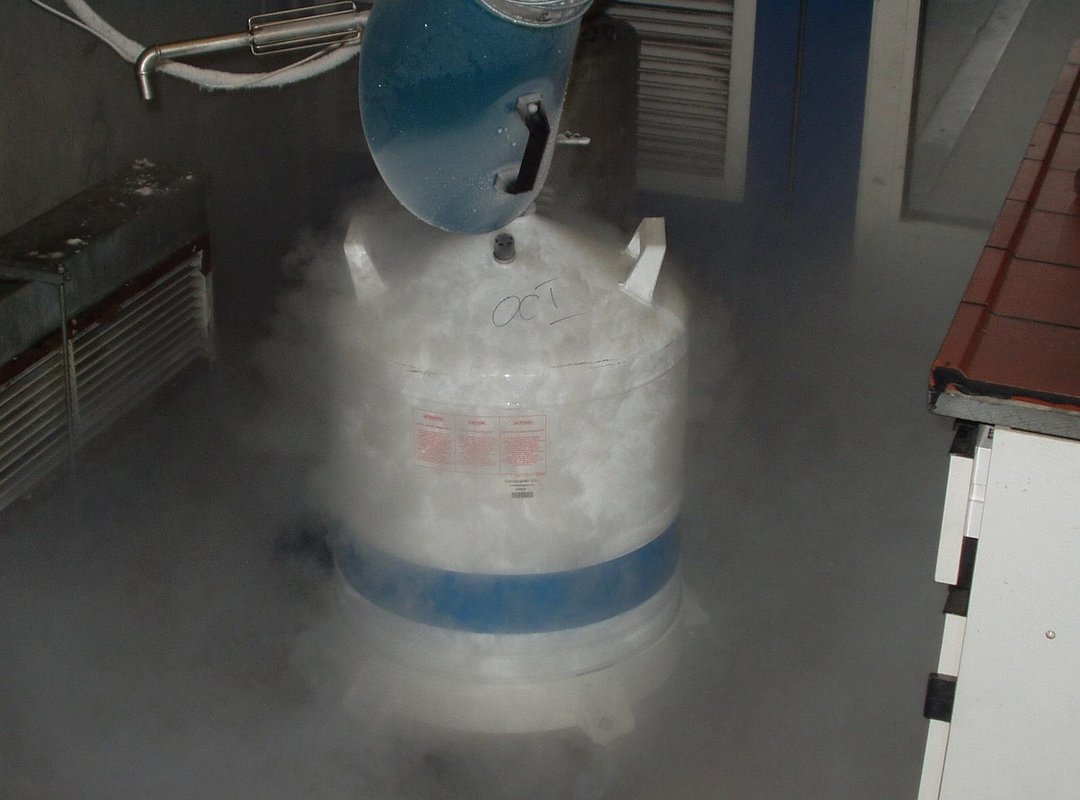
The durability alone justifies it. You don’t want to mess with flimsy plastic, right? Look for standard 8-gram charger sizes.
They’re convenient and widely available. As for size, a 0.5-liter siphon is great for small batches. A 1-liter is better for larger groups or if you’re like me and want to make extra just because you can.
Now, about gas chargers. There’s a key difference between Nitrous Oxide (N2O) and Nitrogen (N2) chargers. N2O is your go-to for foams, mousses, and infusions.
It gives that delightful texture. On the other hand, N2 is more for preserving wine or dispensing things like cold brew. You don’t want aeration in your cold drinks, do you?
Ingredients make or break your nitrogen infusion game. High-fat liquids like heavy cream and coconut cream are winners. Why?
They hold the gas better and give a rich texture. But don’t stop there. Oils, fruit purees, coffee, tea, and cocktail syrups also work.
Got low-fat liquids? Use a stabilizer like gelatin or lecithin. It keeps things from falling apart.
Curious about how this fits into other cooking adventures? Check out this mastering sous vide home beginners guide. It’s a handy resource if you’re venturing into other modern cooking techniques too.
From Coffee to Cocktails: Nitrogen-Infused Delights
Ever tried liquid nitrogen cooking? It’s not as sci-fi as it sounds, trust me. The results are stunningly simple. to three recipes that will have you experimenting in no time.
What you get is a mesmerizing cascade effect, like a mini waterfall in your glass. The creamy head resembles a pint of Guinness. It’s coffee, but on a whole new level.
First up, the Ultimate Nitro Cold Brew. You start with a coffee concentrate. Brew it strong, then charge it in a siphon.
Who knew a little nitrogen could transform your morning ritual into an art form?
Next, the 5-Minute Flavor-Infused Oil. This one’s a game-changer. Rosemary and garlic in olive oil (sounds) basic, right?
But here’s the twist: pressure forces the oil into the cell walls of the aromatics. This means you extract flavors in minutes instead of weeks. The result?
A lively aroma and taste that elevates any dish. Drizzle it on grilled veggies or use it as a salad dressing. It’s all about that punch of flavor.
Finally, Effortless Raspberry Foam. Think dessert toppings with a twist. Combine raspberry puree, a little sugar, and a touch of gelatin.
Charge it up, and you’ve got a light, airy texture. It’s like giving your dessert a makeover. A simple chocolate cake or scoop of ice cream turns into a culinary masterpiece with this topping.
The burst of flavor is unforgettable.
So, what’s stopping you? These recipes are just the start. Once you see the possibilities, you might find yourself experimenting with everything in your kitchen.
Nitrogen isn’t just for the lab. It’s for anyone who loves to tinker with food. And hey, if it impresses your friends, that’s just a bonus, right?
Dive Into Culinary Magic Today
You’ve got this. Understanding liquid nitrogen cooking isn’t as intimidating as it seems. Remember that initial hesitation?
The thought that modern tools seemed too scientific? Forget it. By grasping the basics.
Pressure, gas, and a touch of curiosity (you) can transform your dishes. Imagine unlocking textures and flavors with just one tool.
Start simple. Try an infused oil recipe. Feel the difference as you experience new flavors.
Your kitchen’s a playground. What will you experiment with next?
Don’t just sit there. Grab your tools. Try something new.
You’ll see how easy it is to change your culinary game. We’re here to guide you. Whether it’s through recipes or tips, we’re the #1 rated for a reason.
So, why wait? Get cooking now.
 Torvessa Druvina writes the kind of tutorial treasures content that people actually send to each other. Not because it's flashy or controversial, but because it's the sort of thing where you read it and immediately think of three people who need to see it. Torvessa has a talent for identifying the questions that a lot of people have but haven't quite figured out how to articulate yet — and then answering them properly.
They covers a lot of ground: Tutorial Treasures, Recipe Optimization Hacks, Ozvelex Fusion Cuisine Experiments, and plenty of adjacent territory that doesn't always get treated with the same seriousness. The consistency across all of it is a certain kind of respect for the reader. Torvessa doesn't assume people are stupid, and they doesn't assume they know everything either. They writes for someone who is genuinely trying to figure something out — because that's usually who's actually reading. That assumption shapes everything from how they structures an explanation to how much background they includes before getting to the point.
Beyond the practical stuff, there's something in Torvessa's writing that reflects a real investment in the subject — not performed enthusiasm, but the kind of sustained interest that produces insight over time. They has been paying attention to tutorial treasures long enough that they notices things a more casual observer would miss. That depth shows up in the work in ways that are hard to fake.
Torvessa Druvina writes the kind of tutorial treasures content that people actually send to each other. Not because it's flashy or controversial, but because it's the sort of thing where you read it and immediately think of three people who need to see it. Torvessa has a talent for identifying the questions that a lot of people have but haven't quite figured out how to articulate yet — and then answering them properly.
They covers a lot of ground: Tutorial Treasures, Recipe Optimization Hacks, Ozvelex Fusion Cuisine Experiments, and plenty of adjacent territory that doesn't always get treated with the same seriousness. The consistency across all of it is a certain kind of respect for the reader. Torvessa doesn't assume people are stupid, and they doesn't assume they know everything either. They writes for someone who is genuinely trying to figure something out — because that's usually who's actually reading. That assumption shapes everything from how they structures an explanation to how much background they includes before getting to the point.
Beyond the practical stuff, there's something in Torvessa's writing that reflects a real investment in the subject — not performed enthusiasm, but the kind of sustained interest that produces insight over time. They has been paying attention to tutorial treasures long enough that they notices things a more casual observer would miss. That depth shows up in the work in ways that are hard to fake.