Ever hit that flavor wall while cooking at home? You know, when your dishes seem bland or flat? It’s frustrating.
I felt that too. But here’s the thing. You want deep, complex, memorable flavors, right?
Complex recipes feel intimidating, I get it. But here’s a secret: fermentation in cooking. It’s not just preservation.
It’s a changing tool top chefs use for intense taste. Surprising, isn’t it?
I discovered this through culinary experiments, and it changed everything. This guide will demystify those techniques. Simple, sensory, accessible.
You’ll open up flavors you never imagined in your kitchen.
Trust me. I’ve been there, and I know the difference fermentation makes. By the end, you’ll see how easy it is to raise your cooking.
Ready to dive in?
Beyond Preservation: The Sensory Magic of Fermentation
Why ferment? It’s a question I’ve asked a thousand times while standing in my kitchen, eyeing that crunchy, sweet carrot. The answer?
Flavor. Fermentation in cooking is about letting those tiny chefs (microbes) like yeast and bacteria. Take the wheel.
They’re the unsung heroes turning basic ingredients into something extraordinary.
Imagine a carrot. Fresh, crunchy. Now, picture it after fermentation.
It transforms into a tangy, crisp, and effervescent delight with complex sour notes. Why does this matter? Because it’s flavor creation at its finest.
Microbes produce acids that give tang, esters for fruity hints, and glutamate for that umami punch. These aren’t just changes (they’re) magic in a jar.
And then there’s texture. Fermentation can work wonders here too. Take tough meats.
Ever tried shio koji? It tenderizes meats like a dream. Or vegetables that retain an ‘al dente’ crunch.
It’s a texture transformation that can raise any dish.
Let’s not forget aroma. The smells of fermentation are something to behold. The sweet, bready scent of rising dough.
The funky, bold aroma of kimchi. Even the fruity waft of kombucha. These scents drive home the art of fermentation.
Curious about more culinary magic? You might want to learn more about the art cooking liquid nitrogen too. It’s all about pushing boundaries, isn’t it?
What flavors will you open up next?
Lacto-Fermentation: Tangy, Crunchy Magic
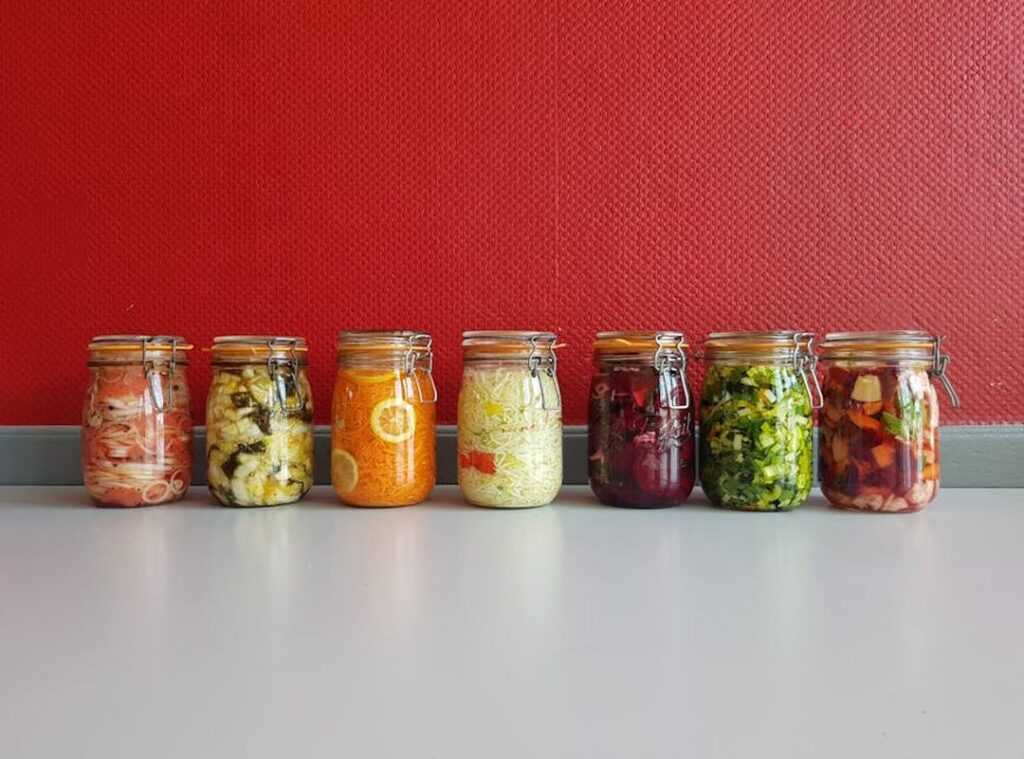
Lacto-fermentation is the ultimate starting point for anyone exploring fermentation in cooking. It’s deliciously simple: just vegetables, salt, and water create a brine that invites friendly Lactobacillus bacteria to do their thing. These little guys produce lactic acid, which preserves the goods and gives everything that distinctive tang.
Want to start fermenting but worried it’s too complex? Don’t be. Let’s keep it straightforward.
Try your hand with spicy carrot sticks or garlic dill green beans. Chop your veggies, weigh your salt (precision matters here), and pack it all into a jar. Then wait.
During this waiting period, you’ll notice the clouding of the brine, a sign that the magic is starting.
Listen: you’ll hear gentle bubbling. It’s oddly satisfying, like nature’s very own seltzer. As you ‘burp’ the jar, the smell should be clean and pleasantly sour.
If it’s funky, try again (learn) from it. This sensory adventure is half the fun.
Once you’ve got those pickles, it’s time to play. Use them in unexpected ways. Dicing fermented carrots into a fresh salsa can electrify your taste buds with an unexpected tangy kick.
Or, use the leftover brine as the acidic base in your salad vinaigrette. Just imagine drizzling that over a bed of greens.
For a deeper dive into this art, check out fermenting basics. It’s an art and a science, both approachable and endlessly fascinating. Forget the high-tech kitchen gadgets for a moment.
With lacto-fermentation, you’re tapping into an age-old method that’s about as low-tech (and flavor-packed) as it gets. So, are you ready to try fermenting your first batch? It’s messy.
It’s fun. And totally worth it.
The Yeast Factor: Airy Breads & Fizzy Drinks
We all know yeast, right? You’ve probably baked a loaf or sipped a beer. But have you ever thought of yeast as more than just an ingredient?
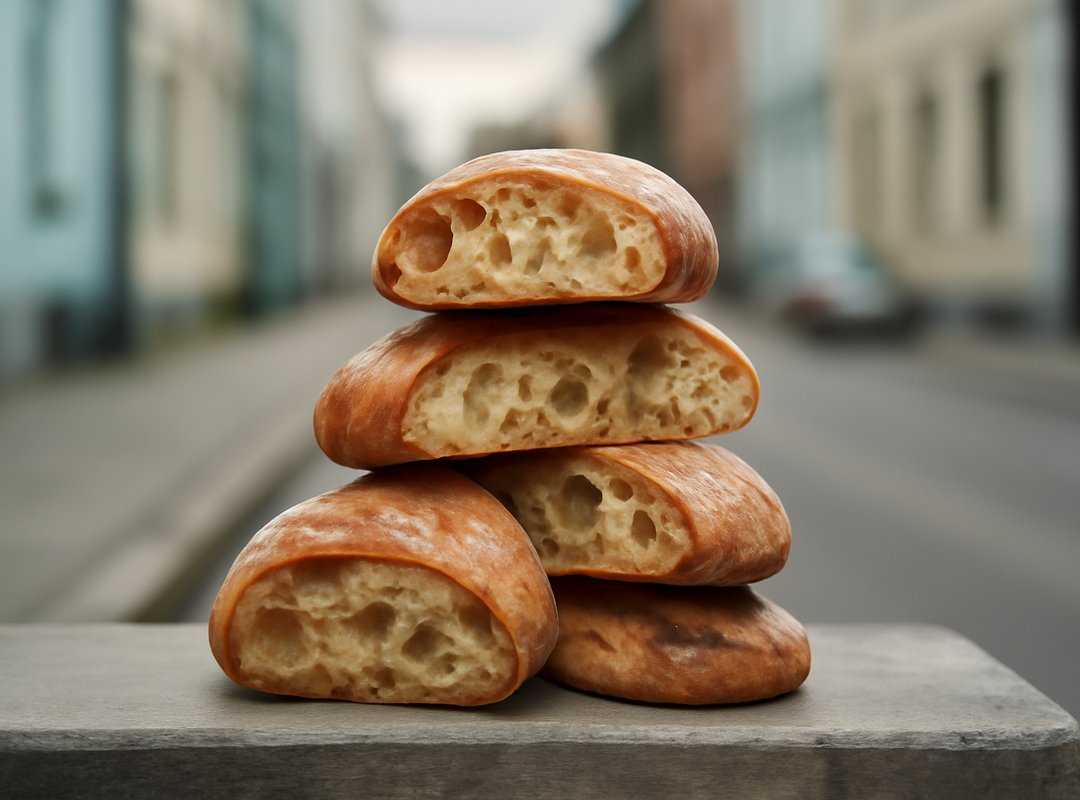
It’s a technique to control. And let me tell you, that control is everything (especially when things go wrong). When you use commercial yeast, it’s like a predictable friend.
Quick, reliable, gives you that straightforward “bready” smell. But wild yeast? That’s a whole different beast.
It’s like inviting a wild card to the party. Slower, yes, but the complexity is unmatched. Think sour, tangy, and sometimes even cheesy aromas.
Now, you want to try something other than bread? Start with a ginger bug or a simple fruit soda. It’s a straightforward process.
You feed a starter with sugar and ginger or fruit. Trust me, it’s the fermentation in cooking that can transform your kitchen experiment into a living thing. It’s satisfying to watch that mixture come alive with bubbles.
And when you hear that pop of a well-carbonated bottle? Pure magic. There’s something about tasting that transformation from sweet juice to a complex, fizzy drink that’s just fulfilling.
Not sure where to begin? I wasn’t either. But you can dive into this world of yeast with confidence.
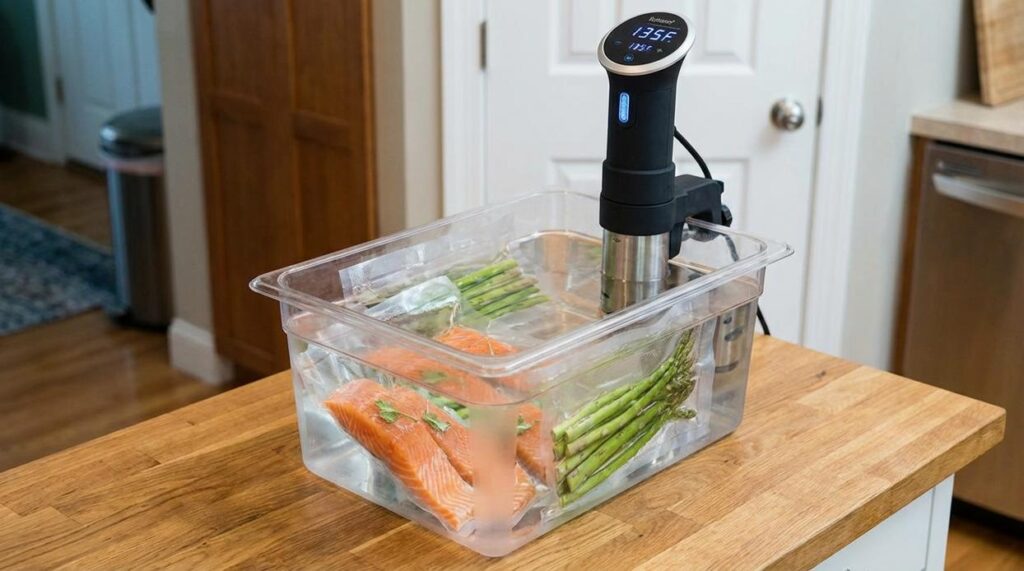
If you’re into culinary adventures, you might want to check out the Mastering Sous Vide Home Beginners Guide. It’s another method that gives you control in the kitchen. Are you ready to see what yeast can really do?
Because I promise, it’s more than just bread and beer. It’s a whole sensory experience waiting to happen.
The Umami Engine: Exploring Molds like Koji
Ready to dive into fermentation in cooking? Koji is your ticket to a new world of flavor. It’s like unlocking a secret level in a video game you never knew existed.
What is koji, you ask? It’s a grain, usually rice, that’s been lovingly inoculated with a beneficial mold called Aspergillus oryzae. Sounds strange?
Maybe. But this little mold is the bold engine behind the deep flavors of miso, soy sauce, and sake.
Let’s talk enzymes. Koji’s enzymes break down starches and proteins into sugars and amino acids. This creates intense savory and sweet flavors.
It’s like magic. I remember the first time I marinated chicken in koji. The transformation was unreal.
The chicken became tender and juicy, with a savory depth that salt just can’t achieve.
For home cooks, starting with shio koji is the best entry point. Shio koji is a mix of koji, salt, and water. It looks like creamy porridge and works wonders as a marinade.
You can slather it on chicken or fish and let it work its magic. Trust me, the results are worth it.
The flavors you get are complex, slightly sweet, and deeply savory. Every bite is a revelation. Remember, this isn’t a quick technique.
It takes time, but the payoff is huge. Koji is a game-changer in the kitchen. Give it a try, and you’ll never look back.
Dive Into Flavor Depths
Feeling stuck in a flavor rut? You’re not alone. But here’s the thing: fermentation in cooking is the ticket out.
It’s not about complex recipes. It’s about the simple joy of observing and tasting. Fermentation creates flavors like nothing else.
Rich, layered, and alive. This week, dive in. Try lacto-fermented carrots.
Just one step. Taste the transformation. You’ll wonder why you didn’t start sooner.
So, what’s stopping you? Break free from dull flavors. Explore the depth and vibrancy that fermentation offers.
Embrace the new. Call it curiosity, call it adventure. Just start.
Ready to transform your cooking?
 Torvessa Druvina writes the kind of tutorial treasures content that people actually send to each other. Not because it's flashy or controversial, but because it's the sort of thing where you read it and immediately think of three people who need to see it. Torvessa has a talent for identifying the questions that a lot of people have but haven't quite figured out how to articulate yet — and then answering them properly.
They covers a lot of ground: Tutorial Treasures, Recipe Optimization Hacks, Ozvelex Fusion Cuisine Experiments, and plenty of adjacent territory that doesn't always get treated with the same seriousness. The consistency across all of it is a certain kind of respect for the reader. Torvessa doesn't assume people are stupid, and they doesn't assume they know everything either. They writes for someone who is genuinely trying to figure something out — because that's usually who's actually reading. That assumption shapes everything from how they structures an explanation to how much background they includes before getting to the point.
Beyond the practical stuff, there's something in Torvessa's writing that reflects a real investment in the subject — not performed enthusiasm, but the kind of sustained interest that produces insight over time. They has been paying attention to tutorial treasures long enough that they notices things a more casual observer would miss. That depth shows up in the work in ways that are hard to fake.
Torvessa Druvina writes the kind of tutorial treasures content that people actually send to each other. Not because it's flashy or controversial, but because it's the sort of thing where you read it and immediately think of three people who need to see it. Torvessa has a talent for identifying the questions that a lot of people have but haven't quite figured out how to articulate yet — and then answering them properly.
They covers a lot of ground: Tutorial Treasures, Recipe Optimization Hacks, Ozvelex Fusion Cuisine Experiments, and plenty of adjacent territory that doesn't always get treated with the same seriousness. The consistency across all of it is a certain kind of respect for the reader. Torvessa doesn't assume people are stupid, and they doesn't assume they know everything either. They writes for someone who is genuinely trying to figure something out — because that's usually who's actually reading. That assumption shapes everything from how they structures an explanation to how much background they includes before getting to the point.
Beyond the practical stuff, there's something in Torvessa's writing that reflects a real investment in the subject — not performed enthusiasm, but the kind of sustained interest that produces insight over time. They has been paying attention to tutorial treasures long enough that they notices things a more casual observer would miss. That depth shows up in the work in ways that are hard to fake.