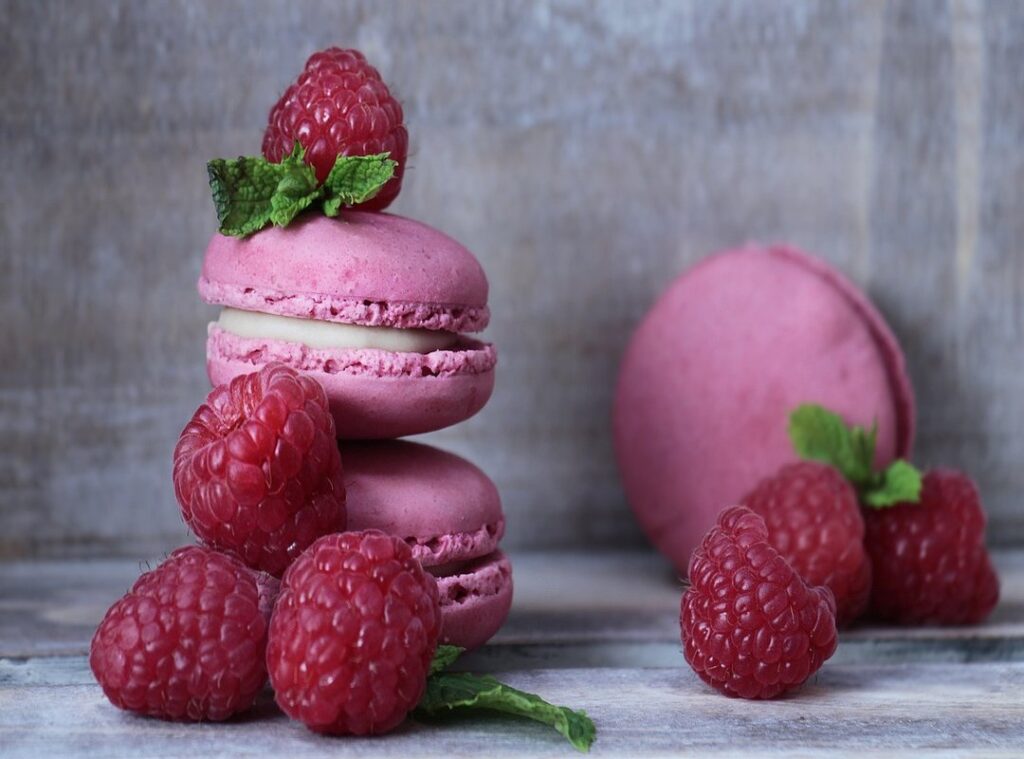
Picture this: a French macaron with a whisper of Indian chai spice. I know what you’re thinking (can) these flavors really dance together without stepping on each other’s toes? Combining two culinary giants like French and Indian can often end in a messy clash of tastes.
But it doesn’t have to be that way. This is your guide to mastering French Indian dessert fusion. I’ve spent years diving deep into the world of classic French patisserie and the detailed spice profiles of Indian sweets.
You’ll learn the secrets to blending these traditions seamlessly. Why stick to the usual ingredient swaps when you can create something truly balanced? By the end, you’ll have a system for crafting your own elegant fusions.
Trust me, this isn’t just experimenting (it’s) art.
Why It Works: The Surprising Harmony of Two Culinary Worlds
Ever think French and Indian cuisines are too different to blend? You’re not alone. But here’s the twist: their shared love for dairy makes them unlikely allies.
Take the French. They worship butter, cream, and milk in their custards and pastries. Now flip to India, where ghee, paneer, and condensed milk (khoya) reign supreme in sweets like barfi and kheer.
You see the connection?
Next, let’s crack open the nutty truth. Almonds, pistachios, and cashews are pillars in both worlds. French frangipane and macarons wouldn’t exist without them.
Neither would Indian halwa and kulfi. You start to see how these ingredients are universal, right?
Aromatics (now) there’s a world of sophistication. The French lean on vanilla, citrus zest, and floral notes. Indians, on the other hand, masterfully wield spices like cardamom, saffron, and nutmeg.
The beauty of this fusion? It stands on a solid foundation of shared pillars. This allows for creative experimentation that’s fun but also satisfying.
This creates a French Indian dessert fusion that’s not just palatable but exciting. It’s like jazz and classical music played in perfect harmony.
Want to explore more culinary blends? Check out Fusion Cooking Latin Middle Eastern Flavors. You’ll find that blending culinary worlds is less about chaos and more about finding what works together.
So, does this fusion work? Absolutely. It’s all about finding those shared roots and letting them grow into something deliciously new.
Building Flavor Bridges: Ingredients for a Perfect Fusion
Ever wonder how to bridge the gap between French and Indian desserts? Let me introduce you to some key ingredients that do just that. These are the heroes of the French Indian dessert fusion.
First up, cardamom. This spice is like the quiet genius in the back of the room, waiting to shine. Its floral, minty, and citrus notes can effectively replace or complement vanilla in custards or crème brûlée.
Trust me, try a Cardamom-infused Pot de Crème. You’ll thank me later.
Now, saffron and rosewater. The classic Indian duo can raise French pastries like madeleines and financiers. Imagine a fragrant syrup made from these that soaks into a sponge cake like a Savarin.
It’s not just about adding flavor; it’s about creating an experience.
Mango is next. Known as the ‘king of fruits,’ it’s a must. A lively mango mousse or a filling for a French-style fruit tart?
Yes, please. Or consider a mango coulis with a classic cheesecake. It’s the tropical twist you didn’t know you needed.
Pistachios aren’t just for garnishing. Ground pistachios can replace almonds for a more vivid dacquoise or a rich financier. The result?
Both color and flavor that burst on your palate.
But how do you decide which ingredients to use? experimentation comes in. You have to try different combinations to see what works for you. I won’t lie (it’s) a bit like playing a culinary game of Tetris.
Sometimes pieces fit perfectly, other times not so much.
If you’re curious about more such combinations, I’ve found indian fusion desserts to be a treasure trove of ideas. There’s a world of flavors out there, and it’s worth exploring.
Fusion cuisine isn’t just a trend. It’s a way to bring together the best of both worlds. Why not try it?
Beyond Ingredients: French Flair Meets Indian Essence
Let’s talk about technique transfer. It’s not just about what you use, but how you use it. French Indian dessert fusion is all about that twist.
Take the mousse, for instance. The French have mastered the art of creating a light, airy mousse. But why stop there?
Imagine applying this to Indian flavors like Shrikhand or Thandai. You get a dessert that’s both modern and elegant. It’s like giving traditional flavors a new life.
Now, macarons. Everyone knows they’re tricky. The meticulous process of creating those perfect shells?
It’s an art. So, why not fill them with something unexpected? A Gulab Jamun reduction buttercream or a Kheer-flavored ganache can do wonders.
Suddenly, you’re not just eating a macaron; you’re experiencing a burst of Indian sweetness in every bite. It’s all about balance (and a little bit of daring).
And then there’s lamination. Creating flaky pastry like puff pastry or croissant dough is no small feat. But what if you layered that with a refined Gajar ka Halwa cream?
You’d have a Mille-Feuille like no other. The flaky layers and rich carrot pudding create a textural delight that’s hard to resist.
This approach respects original flavors while presenting them in a new, interesting format. Curious about more such culinary experiments? Check out how reinventing classic italian dishes african ingredients can open up a world of possibilities.
It’s all about pushing boundaries and discovering new tastes.
French-Indian Fusion Desserts: A Creative Kickstart
to the world of French Indian dessert fusion! These aren’t rigid recipes. Think of them as jumping-off points for your culinary imagination.
First up, Chai Spiced Crème Brûlée. Imagine the familiar crunch of the caramelized sugar top, but with a spicy twist. Infuse the heavy cream with black tea, cinnamon, cardamom, ginger, and cloves before making the custard.
The warm spices cut through the creamy texture for a dessert that wakes up your palate.
Next, indulge in Saffron & Pistachio Financiers. These little almond cakes are deceptively simple yet packed with flavor. You’ll want to brown the butter until it takes on a nutty aroma (this is called beurre noisette).
Lastly, let’s shake things up with a Deconstructed ‘Ras Malai’ Verrine. Simple but elegant, a verrine is a layered dessert served in a glass. Start with a base of crumbled cardamom shortbread.
Infuse it with saffron threads. Mix in chopped pistachios for a pop of color and crunch. They bake up moist with a subtly complex taste.
Add a layer of light ricotta or mascarpone cream. Top it with saffron-infused milk syrup and slivered almonds. The result?
A spoonful of layered joy that dances between textures and flavors.
So, ready to experiment with these concepts? Let your kitchen be your canvas, and don’t be afraid to improvise. Who knows what deliciously unique dessert you’ll create?
Unleash Your Inner Chef
So, you’ve got the basics down for a French Indian dessert fusion. No more worrying about creating a flavor disaster. By focusing on shared pillars like dairy and nuts, and using flavor bridges like spices and fruits, you’re set for success.
The real question is: what are you waiting for? Pick a concept from this article and dive in. Try it.
Test it. Enjoy the ride. Your kitchen is your playground.
Experimenting with these fusion techniques will open up a world of delicious possibilities.
Don’t just read about it. Do it. Start your next culinary adventure today.
 Billy Stevensonighter has opinions about recipe optimization hacks. Informed ones, backed by real experience — but opinions nonetheless, and they doesn't try to disguise them as neutral observation. They thinks a lot of what gets written about Recipe Optimization Hacks, Modern Cooking Techniques, Culinary Pulse is either too cautious to be useful or too confident to be credible, and they's work tends to sit deliberately in the space between those two failure modes.
Reading Billy's pieces, you get the sense of someone who has thought about this stuff seriously and arrived at actual conclusions — not just collected a range of perspectives and declined to pick one. That can be uncomfortable when they lands on something you disagree with. It's also why the writing is worth engaging with. Billy isn't interested in telling people what they want to hear. They is interested in telling them what they actually thinks, with enough reasoning behind it that you can push back if you want to. That kind of intellectual honesty is rarer than it should be.
What Billy is best at is the moment when a familiar topic reveals something unexpected — when the conventional wisdom turns out to be slightly off, or when a small shift in framing changes everything. They finds those moments consistently, which is why they's work tends to generate real discussion rather than just passive agreement.
Billy Stevensonighter has opinions about recipe optimization hacks. Informed ones, backed by real experience — but opinions nonetheless, and they doesn't try to disguise them as neutral observation. They thinks a lot of what gets written about Recipe Optimization Hacks, Modern Cooking Techniques, Culinary Pulse is either too cautious to be useful or too confident to be credible, and they's work tends to sit deliberately in the space between those two failure modes.
Reading Billy's pieces, you get the sense of someone who has thought about this stuff seriously and arrived at actual conclusions — not just collected a range of perspectives and declined to pick one. That can be uncomfortable when they lands on something you disagree with. It's also why the writing is worth engaging with. Billy isn't interested in telling people what they want to hear. They is interested in telling them what they actually thinks, with enough reasoning behind it that you can push back if you want to. That kind of intellectual honesty is rarer than it should be.
What Billy is best at is the moment when a familiar topic reveals something unexpected — when the conventional wisdom turns out to be slightly off, or when a small shift in framing changes everything. They finds those moments consistently, which is why they's work tends to generate real discussion rather than just passive agreement.