
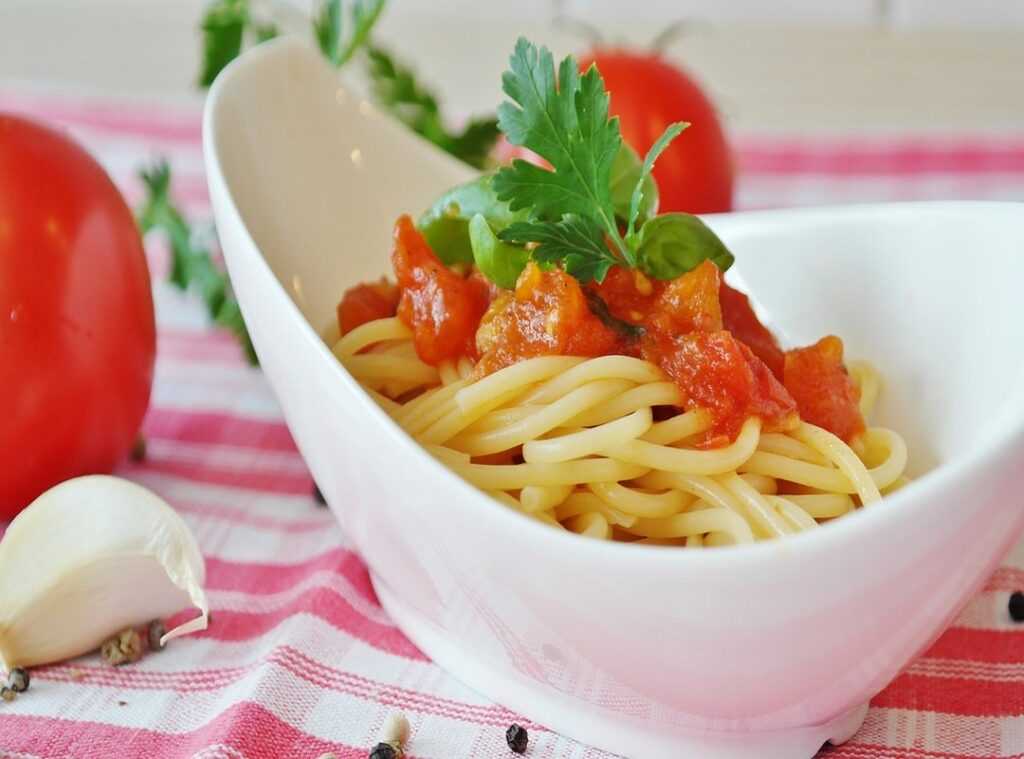
I get it. You’re standing in the grocery aisle, staring at jars of pasta sauce that claim to be Italian, but they taste more like sugar and disappointment. Why can’t they capture the fragrance of slow-simmered garlic or the bright acidity of sun-ripened tomatoes?
It’s frustrating.
But here’s the deal. Making authentic Italian pasta sauces is about more than following a recipe. It’s about simplicity, flavor, and a pinch of soul.
I’ve spent years diving deep into global culinary traditions, peeling back layers to understand what makes Italian sauces tick.
And you know what? It’s not complicated. You can learn to either make these sauces or spot the real deal on the shelf.
Stick around, and I’ll guide you to the heart of genuine Italian flavors.
The Heart of Italian Cooking: Less is More
Authentic Italian pasta sauces are all about simplicity. Think of it this way: a simple, elegant linen dress stands out more than a busy, overly-accessorized outfit. It’s not about drowning flavors under a dozen spices, but letting a few star ingredients shine.
In Italy, less really is more. High-quality olive oil, fresh garlic, and ripe tomatoes together? They’re the holy trinity of many Italian sauces.
This contrasts sharply with the American-Italian approach, which often piles on herbs, sugar, and complexity. Why complicate it? You could drown the delicate flavors under a mountain of ingredients like oregano and sugar (which, let’s face it, shouldn’t even be there).
Italian cuisine respects ingredients. It’s about technique, not a rigid recipe. We’re talking about knowing when to add the garlic so it doesn’t burn or choosing the right tomatoes.
You want flavors that speak for themselves. And let’s not forget, the art is in restraint. Using only what’s necessary can create an experience that’s both straightforward and deeply satisfying.
Now, if you’re curious about the opposite approach, like exploring complex flavors Middle Eastern cuisine, there’s a place for that too. Different strokes for different folks, right?
Mastering the Classics: Three Red Sauces You Need
When it comes to authentic Italian pasta sauces, there are three standouts that every kitchen should know. First up is Marinara. It’s all about the fresh, bright flavor of tomatoes, and it doesn’t waste time.
Imagine the lively red color and the aroma of fresh basil wafting through your kitchen. Can you smell it? This sauce is simple but captures the essence of what tomato has to offer.
It’s not about overpowering; it’s about balance and letting that tomato sing.
Next, Arrabbiata. This one’s a bit more fiery, known as the ‘angry’ sauce. Why angry?
Throw in some peperoncino (red chili flakes) and it changes everything. The heat isn’t about blasting your taste buds; it’s a gentle, warming sensation. It sneaks up on you, like a plot twist you didn’t see coming.
Perfect for those who like their pasta with a bit of a kick.
Then we have Amatriciana. This sauce is rich and savory, thanks to guanciale (cured pork jowl). The fat renders down, creating a deep, complex base.
It contrasts beautifully with the freshness of Marinara. The richness is something you can’t fake. You can feel the depth in every bite.
It’s a reminder of how ingredients like cured meat can transform a dish.
Want to dive deeper into these sauces? Check out nonna’s authentic Italian pasta sauce. It’s all about tradition and those unforgettable flavors.
Here’s a pro tip: always taste as you cook. It’s the only way to make sure you’re capturing the essence of each sauce.
Each sauce has its own personality, and they’re not just recipes (they’re) experiences. Whether you’re cooking for yourself or a crowd, these classics never disappoint. Ready to get saucy?
Beyond the Tomato: Italy’s Sauce Secrets
When you think of authentic Italian pasta sauces, you might picture red, tomato-based delights. But let’s dive deeper. There’s so much more happening in Italian cuisine beyond tomatoes.
Ever tried Pesto alla Genovese? This is not your average green sauce. It’s made with fresh basil, pine nuts, garlic, Parmesan, and olive oil.
The traditional mortar-and-pestle method is key here. It creates a creamy texture without a drop of cream (impressive, right?). The aroma of fresh basil and garlic hits you first.
Then, the nuttiness of the pine nuts whispers through. Your taste buds just stand up and pay attention.
Then there’s Cacio e Pepe. Simplicity at its finest. It’s just pasta, Pecorino Romano cheese, and black pepper.
But here’s the magic: the starchy pasta water transforms these ingredients into a creamy sauce. The sharpness of the Pecorino pairs perfectly with the bold pepper. It’s a dance of flavors.
You’d be surprised by how such minimal ingredients can create such depth.
What about Aglio e Olio? It’s the most fundamental of sauces. Gently infusing olive oil with garlic and chili is an art.
Toasting the garlic until it’s nutty and aromatic gives the pasta a silky finish. It wraps around each noodle like a warm blanket.
Italy’s sauce diversity is as lively as its culture. In the same way Discovering Unique Spices West Africa opens up new taste horizons, understanding Italy’s sauces expands our culinary world. Why stick to just red when there’s a whole palette out there?
The Sensory Secrets: Simple Techniques for Unforgettable Flavor
Let’s talk about authentic Italian pasta sauces. You know, the kind that makes your taste buds do a little happy dance. One secret?
Pasta water. That cloudy liquid you usually toss. It’s pure magic.
Starchy pasta water is like liquid gold. It helps emulsify the sauce, making it cling to the pasta for a creamier, more cohesive dish. Ever wonder why restaurant pasta seems to have that perfect texture?
That’s why.
Now, let’s get into the base of it all: Soffritto. This isn’t just a fancy word. It’s sautéed onion, carrot, and celery.
Simple, right? But it builds a deep, sweet, and savory foundation for sauces like ragù. Think of it as the backbone of your dish.
A good soffritto can transform your sauce from forgettable to unforgettable.
And here’s a technique that’ll make you feel like a pro: finishing the pasta in the pan. Undercook your pasta by a minute. Yes, a minute.
Then toss it into the sauce to finish cooking. The pasta absorbs the flavor directly. It’s a restaurant trick that makes all the difference.
Quality ingredients are non-negotiable. San Marzano tomatoes, real Parmigiano-Reggiano, and high-quality extra virgin olive oil? They’re game changers.
So, ready to raise your pasta game? These small tweaks can transform your cooking. Try them out and see what happens.
Why? Because they add depth and richness that cheap imitations just can’t match. Trust me, you’ll taste the difference.
Your taste buds will thank you.
Dive into Flavor with Simple Magic
Simplicity. That’s the heart of authentic Italian pasta sauces. It’s not about convoluted recipes or hunting down obscure ingredients.
It’s about letting quality tomatoes, olive oil, and a handful of herbs shine. Why settle for bland, forgettable sauces when you can transform your meals into something memorable?
Trust me, once you embrace the “less is more” philosophy, your taste buds will thank you.
So, what’s stopping you? Dust off that pot and dive into a simple Marinara or Cacio e Pepe this week. Feel the joy in the process and the mouthwatering payoff.
Cooking isn’t just about the end result; it’s about the journey and the flavors you unleash.
Visit ozvelex.com to explore more recipes and let’s raise your pasta game together.
 Torvessa Druvina writes the kind of tutorial treasures content that people actually send to each other. Not because it's flashy or controversial, but because it's the sort of thing where you read it and immediately think of three people who need to see it. Torvessa has a talent for identifying the questions that a lot of people have but haven't quite figured out how to articulate yet — and then answering them properly.
They covers a lot of ground: Tutorial Treasures, Recipe Optimization Hacks, Ozvelex Fusion Cuisine Experiments, and plenty of adjacent territory that doesn't always get treated with the same seriousness. The consistency across all of it is a certain kind of respect for the reader. Torvessa doesn't assume people are stupid, and they doesn't assume they know everything either. They writes for someone who is genuinely trying to figure something out — because that's usually who's actually reading. That assumption shapes everything from how they structures an explanation to how much background they includes before getting to the point.
Beyond the practical stuff, there's something in Torvessa's writing that reflects a real investment in the subject — not performed enthusiasm, but the kind of sustained interest that produces insight over time. They has been paying attention to tutorial treasures long enough that they notices things a more casual observer would miss. That depth shows up in the work in ways that are hard to fake.
Torvessa Druvina writes the kind of tutorial treasures content that people actually send to each other. Not because it's flashy or controversial, but because it's the sort of thing where you read it and immediately think of three people who need to see it. Torvessa has a talent for identifying the questions that a lot of people have but haven't quite figured out how to articulate yet — and then answering them properly.
They covers a lot of ground: Tutorial Treasures, Recipe Optimization Hacks, Ozvelex Fusion Cuisine Experiments, and plenty of adjacent territory that doesn't always get treated with the same seriousness. The consistency across all of it is a certain kind of respect for the reader. Torvessa doesn't assume people are stupid, and they doesn't assume they know everything either. They writes for someone who is genuinely trying to figure something out — because that's usually who's actually reading. That assumption shapes everything from how they structures an explanation to how much background they includes before getting to the point.
Beyond the practical stuff, there's something in Torvessa's writing that reflects a real investment in the subject — not performed enthusiasm, but the kind of sustained interest that produces insight over time. They has been paying attention to tutorial treasures long enough that they notices things a more casual observer would miss. That depth shows up in the work in ways that are hard to fake.